Tools Introduction Class
Tools Feature & Advantage Introduction Class
Tools Operation and Application Class
Tools Maintanence and Repair Class
Tools Quality Checking and Certified Class
Tools Torque Introduction
Marketing Service Area
Member post
What Is a Deep Socket For? Standard vs. Deep Socket — 2 Use Cases Explained
Popularity : 7Two sockets can be the same size and still come in different lengths — so why do standard sockets and deep sockets both exist?
When picking a socket, most people think size first — 17 mm, 19 mm, 21 mm. But on the job, getting the size right isn′t always enough. Some nuts sit deep inside a recess, some bolts stick out further than usual, and sometimes the surrounding structure just won′t let a tool get close. In situations like these, even the right-size standard socket can fail to do the job.
That′s exactly why deep sockets exist alongside standard ones. The difference between a standard socket and a deep socket isn′t about size — it′s about whether the socket is long enough to reach the job.
Standard Socket vs. Deep Socket: What′s the Difference?
The most obvious difference is the length of the socket body. A standard socket is shorter overall and works well for nuts and bolts sitting out in the open; a deep socket has a longer body and more internal depth, making it the better tool for recessed spots, deeper positions, or bolts that stick out further than usual.
| Comparison | Standard Socket | Deep Socket |
|---|---|---|
| Appearance | 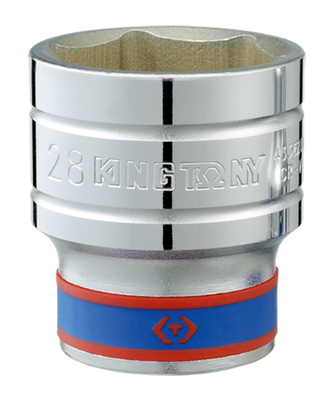 |
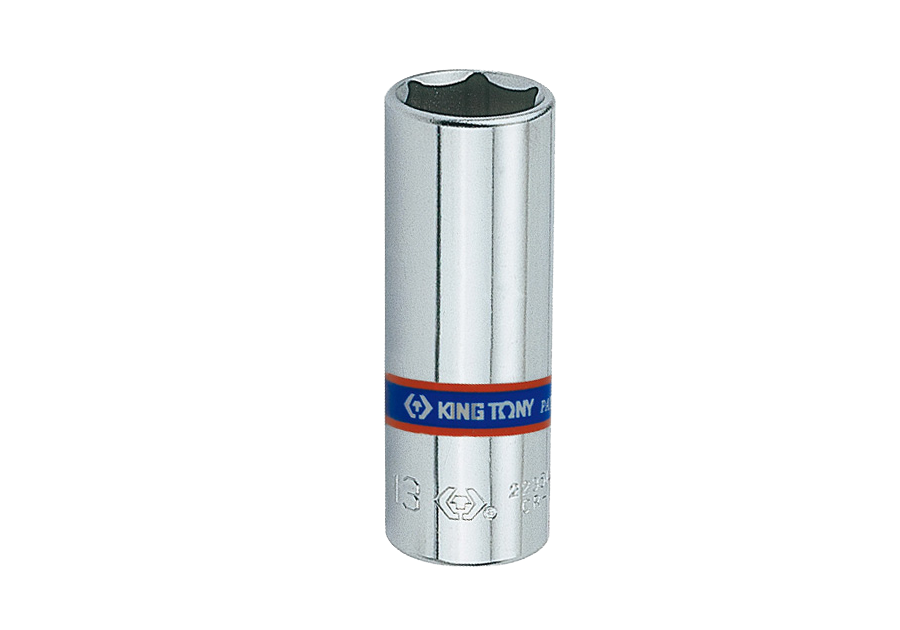 |
| Overall length | Shorter | Longer |
| Where it works best | Nuts sitting out in the open | Deeper or recessed positions |
| Bolt protrusion | Fine for standard-length bolts | Better for longer, protruding bolts |
| Handling | Lighter, everyday go-to | Reaches further into deep spots |
| Clearance needed | Less | More overhead clearance needed |
Why Would You Need a Deep Socket? 2 Common Scenarios
A lot of the time, it′s not that the nut is the wrong size — it′s that the job itself puts a standard socket out of its depth. Here are the two situations where this comes up most.
Scenario 1 | The Bolt Sticks Out Too Far for a Standard Socket to Seat
Some nuts sit out in plain sight, but the bolt underneath runs longer than usual. With a standard socket, there′s not enough internal depth — the bolt bottoms out inside the socket before the socket can fully seat on the nut. Even with the exact right size, you can end up with a socket that looks like it fits but can′t actually deliver stable torque. A deep socket, with its longer body and extra internal clearance, is built for exactly this — long bolts or bolts that protrude further than normal.
When a bolt runs long, a deep socket gives you the extra internal room you need.
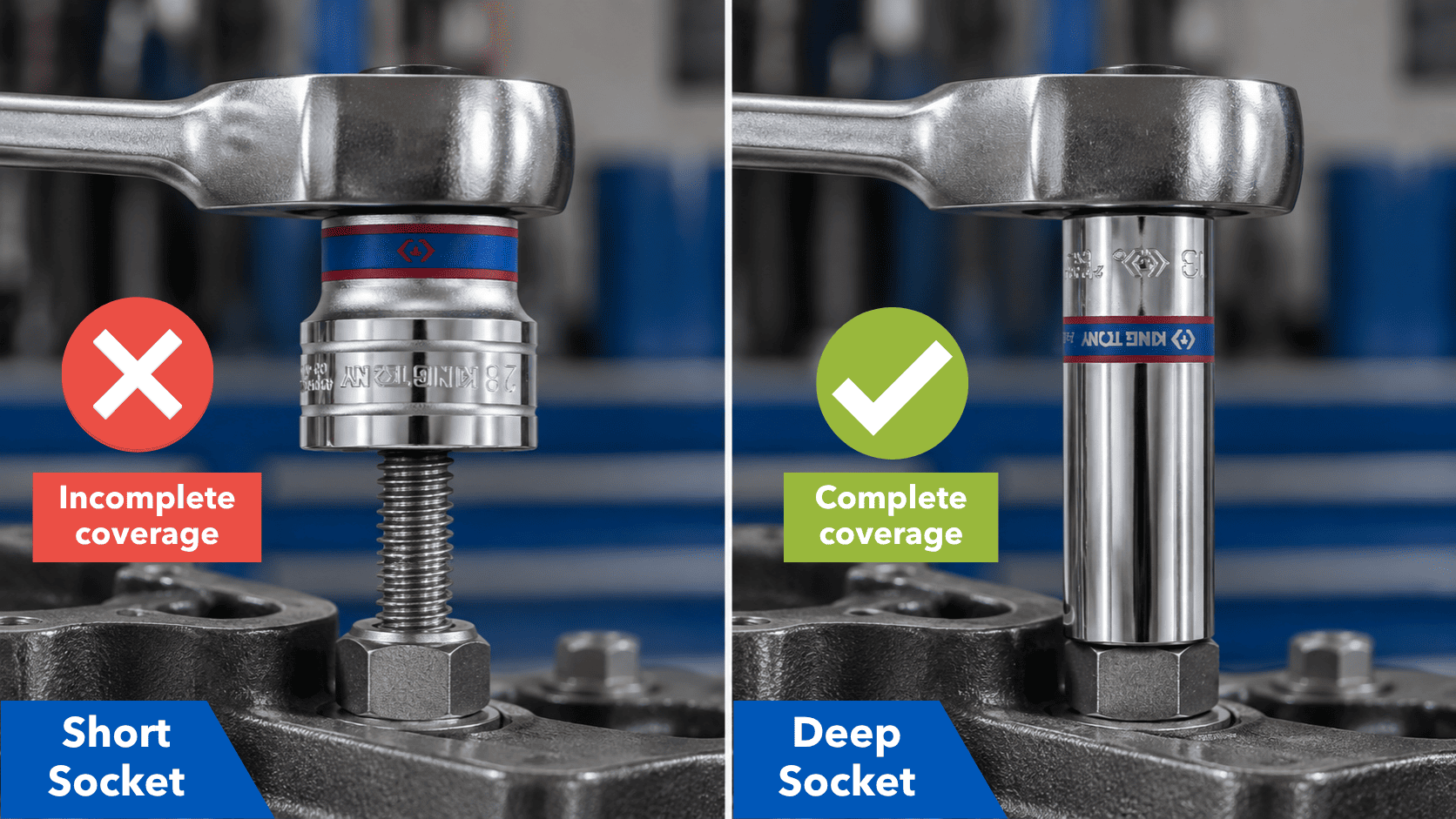
Deep socket vs. standard socket - 1
Scenario 2 | The Nut Sits in a Recess a Standard Socket Can′t Reach
The other common scenario is a nut sitting deep inside a bore, a recess, or some kind of surrounding structure. Think certain spots in automotive repair, inside machinery, or anywhere a part is shrouded by housing around it — the nut isn′t just sitting flush on a surface, it′s recessed further back. A standard socket often doesn′t have the reach to get down to it. A deep socket gives you that extra reach, letting the socket get down into the recess and actually make contact with the fastener.
When a nut sits deep or recessed, a deep socket usually makes the job a lot easier.
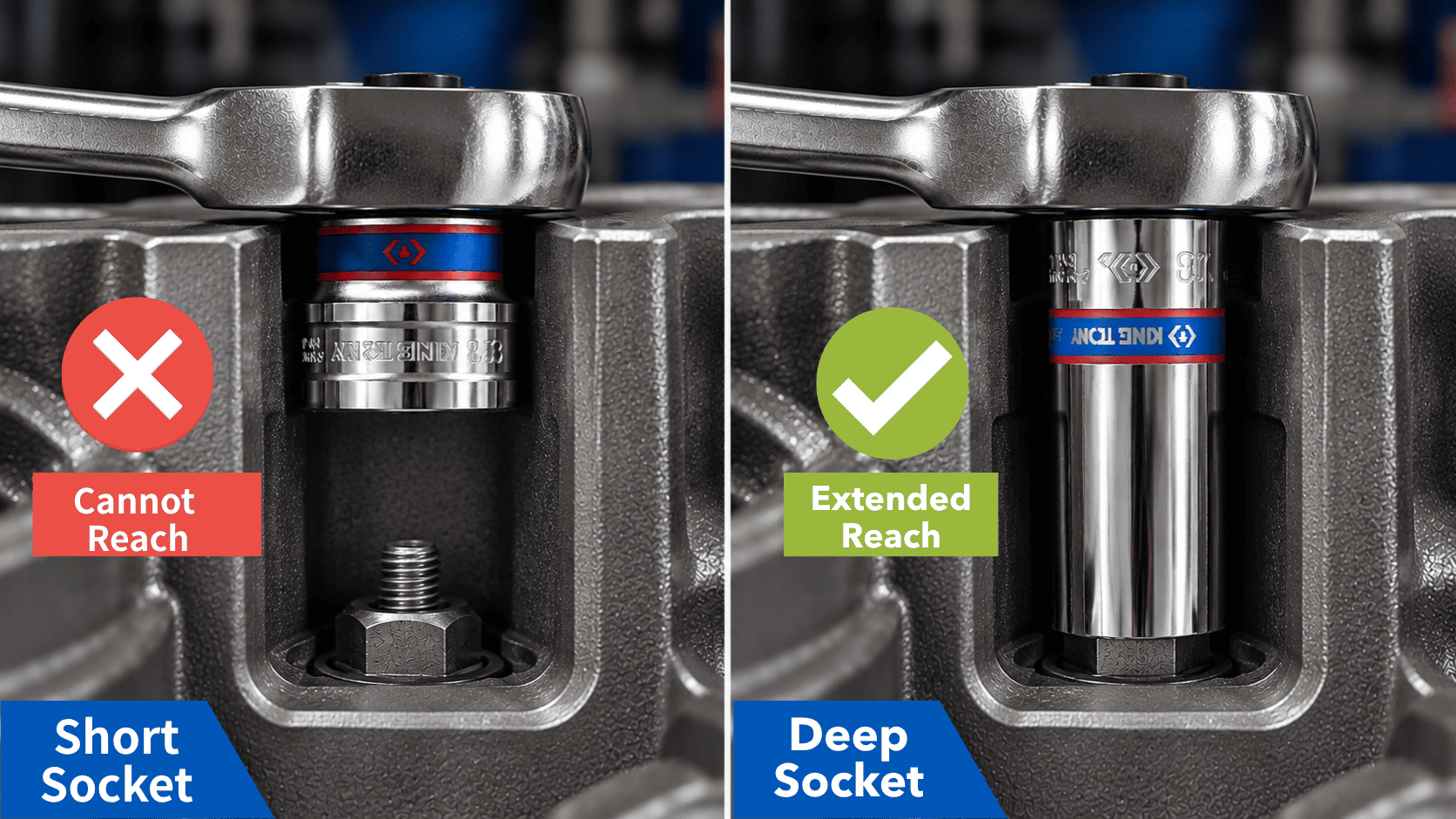
Deep socket vs. standard socket - 2
Is a Deep Socket Just Better?
Not necessarily.
A deep socket earns its place by handling spots a standard socket struggles with — but if a standard socket can already get the job done on an exposed nut, it′s usually the more direct, lighter, easier tool to work with. In other words, a deep socket isn′t there to replace the standard socket — it′s there to solve:
- A bolt that sticks out too far
- A nut sitting too deep
- Surrounding structure blocking the tool from getting close
Problems where the size is right but the position makes the job hard. So for everyday, exposed-fastener work, the standard socket is still the most common — and most practical — choice.
Standard or Deep? Here′s a Quick Way to Decide
In practice, start by looking at where you′re actually working:
| Job Condition | Go With |
|---|---|
| Exposed nut, everyday install/removal | Standard socket |
| Bolt sticks out further than usual | Deep socket |
| Nut sits deep or recessed | Deep socket |
| Surrounding structure blocks access | Lean toward a deep socket, depending on clearance |
| Tight space — the shorter the tool, the better | Standard socket |
So the simple way to remember it:
A standard socket handles everyday positions; a deep socket solves the "can′t reach it" problem.
Bottom Line: Same Size Doesn′t Mean Length Doesn′t Matter
A standard socket and a deep socket can share the exact same size spec, but in practice they′re built for different working conditions. A standard socket fits everyday, exposed positions; a deep socket is built for longer bolts, deeper nuts, or spots where the tool can′t get close.
So when choosing a socket, size match alone isn′t enough — also check:
- How deep the nut actually sits
- Whether the bolt protrudes further than usual
- Whether anything nearby is blocking the tool
Getting the socket length right is what makes the job go smoothly — and keeps you working efficiently.
Learn the tool. Enjoy the work.
Further Reading
Want to learn about the types, structure, and common uses of sockets:
→ "Understanding Sockets"
Want to know why hand sockets and impact sockets shouldn′t just be swapped for each other:
→ "Manual vs. Impact Sockets — What′s the Difference? Can They Be Used Interchangeably?"
Want to know how to choose between 6-point and 12-point sockets:
→ "6-Point vs. 12-Point Sockets — What′s the Difference, and Which Should You Choose?"
Want to know how to choose between metric/imperial, drive size, and socket size:
→ "Found the Torque Value — Now What Socket? A Complete Guide to Metric, Imperial, and Drive Size"
FAQ | Standard Sockets vs. Deep Sockets
Q1: Is a deep socket just a longer version of a standard socket?
It′s more than just longer. A deep socket′s main job is reaching deeper, more recessed positions, or bolts that stick out further than usual — letting the socket actually make contact with the fastener and get the work done.
Q2: Can a deep socket replace a standard socket?
Not necessarily. If a standard socket already works fine in a normal position, it′s usually the lighter, more direct tool. A deep socket earns its value by handling special positions — it′s not meant to fully replace the standard socket.
Q3: When does a deep socket make the most sense?
Common cases include: a bolt that protrudes further than usual, a nut sitting in a recessed position, or surrounding structure that keeps a tool from getting close.
Q4: The nut size is the same — why won′t a standard socket work?
Because the right size doesn′t guarantee the position works. If the bolt is too long or the nut sits too deep, a standard socket may not seat fully or deliver stable torque.
Q5: Is a deep socket the better choice for all automotive repair work?
Not necessarily — it still comes down to the actual position. For a typical exposed nut, a standard socket is usually all you need; a deep socket′s advantage really shows up only in deep, recessed, or obstructed positions.
Recommended Products
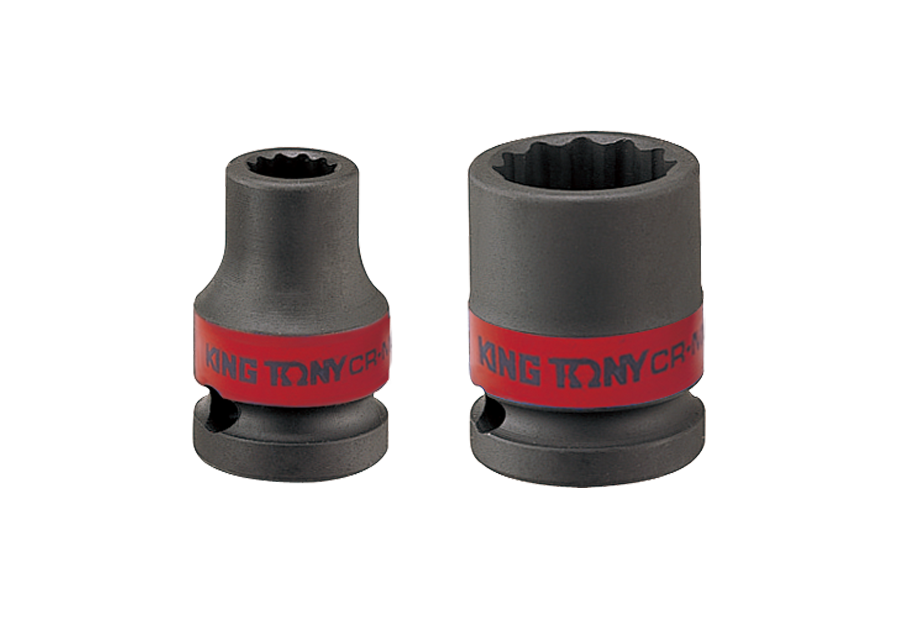
1/2" DR. 12 Point Inch Standard Impact Socket
4530S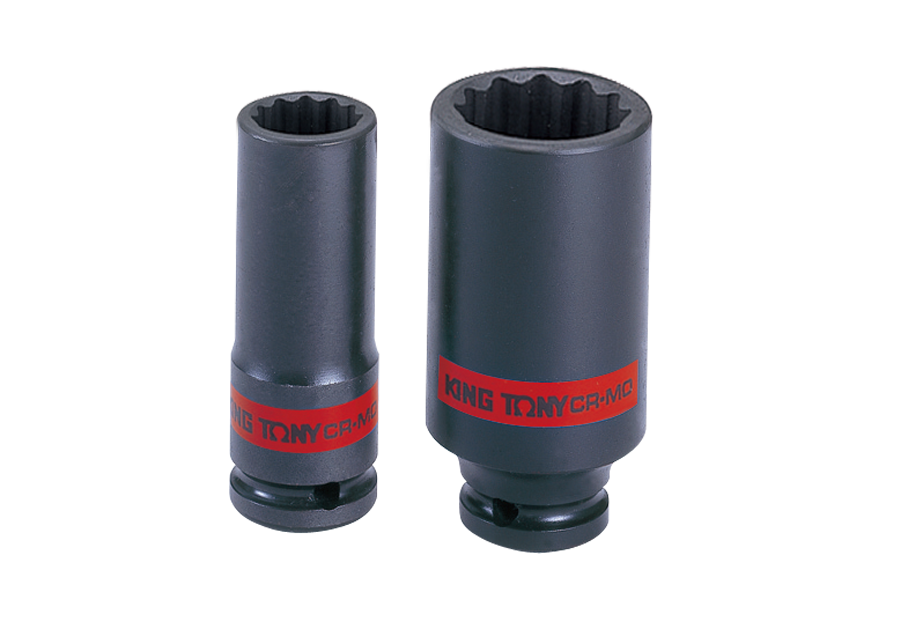
1/2" DR. 12 Point Inch Deep Impact Socket
4430S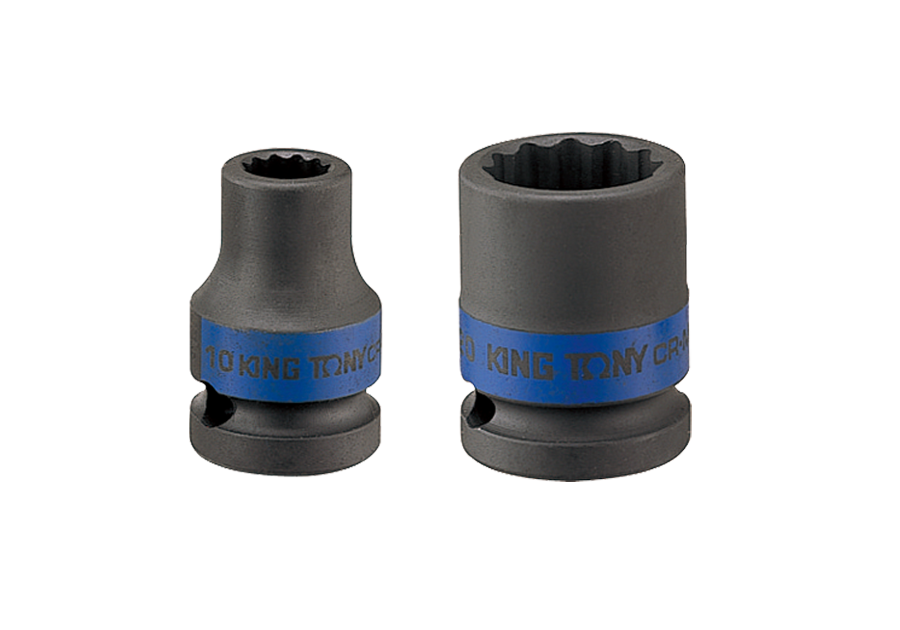
1/2" DR. 12 Point Metric Standard Impact Socket
4530M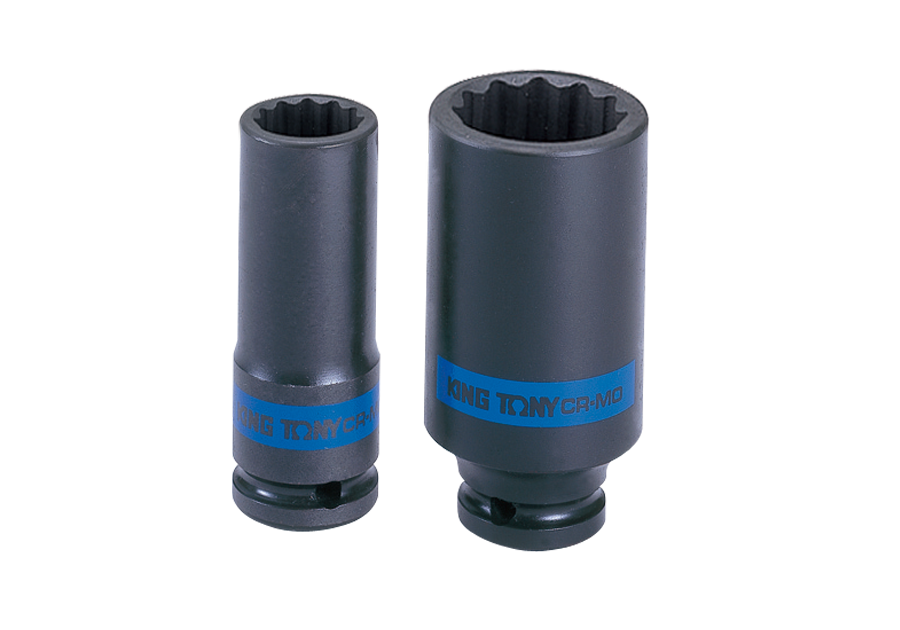
1/2" DR. 12 Point Metric Deep Impact Socket
4430M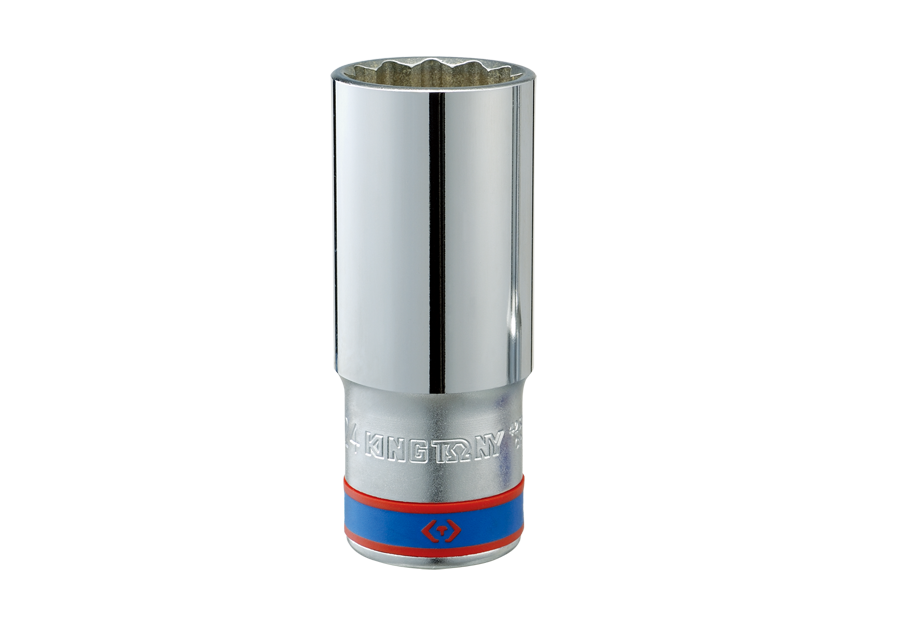
1/2" DR. 12 Point Metric Deep Socket
4230M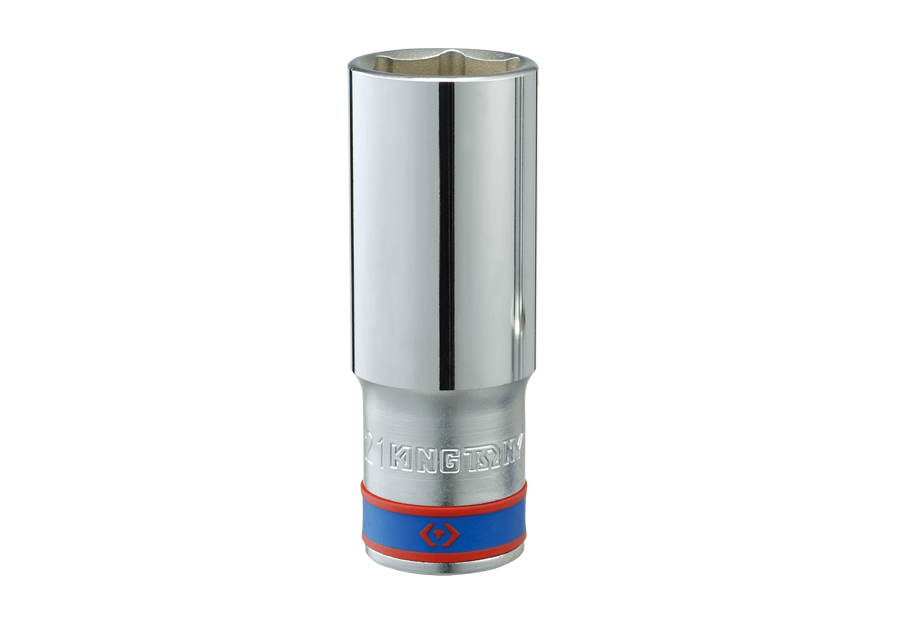
1/2" DR. 6 Point Metric Deep Socket
4235M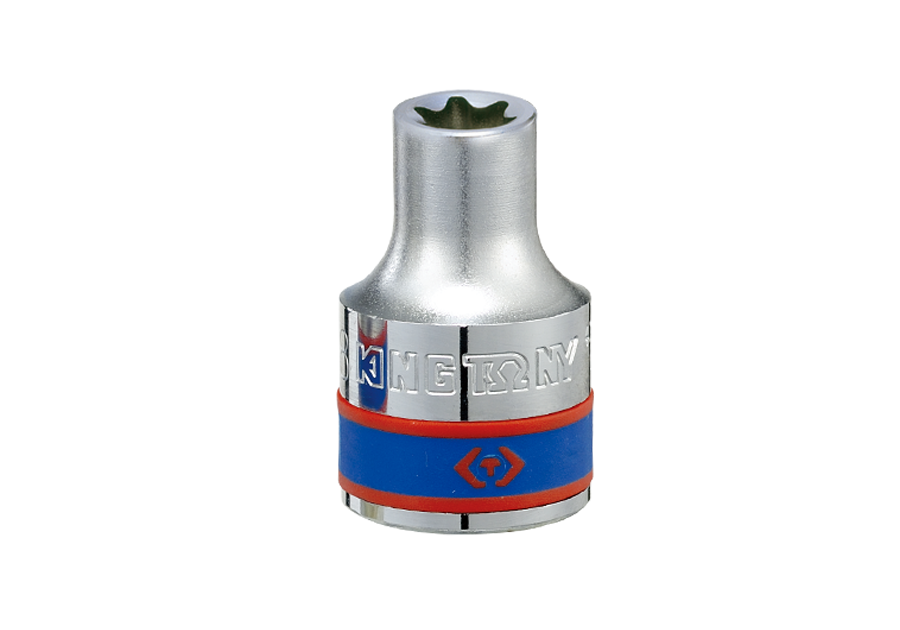
1/2" DR. Star Socket
4375M