Tools Introduction Class
Tools Feature & Advantage Introduction Class
Tools Operation and Application Class
Tools Maintanence and Repair Class
Tools Quality Checking and Certified Class
Tools Torque Introduction
Marketing Service Area
Member post
6-Point vs. 12-Point Sockets — What′s the Difference, and Which Should You Choose?
Popularity : 200Sockets of the same size can still come in different internal shapes — so why does it matter whether you grab a 6-point or a 12-point? In real-world use, the two most common internal socket designs are 6-point (hex) and 12-point (double hex). Both can drive the same fastener, but they differ in how many positions they engage at, how they make contact, and which jobs they′re best suited for.
So which one should you actually reach for?
It′s not about which one is "better" — it comes down to the fastener type, how much load you′re dealing with, and how much room you have to work in.
6-Point vs. 12-Point: What′s Actually Different
The most obvious difference is the contact shape inside the socket. A 6-point socket has 6 contact points; a 12-point has 12 engagement points. That directly affects how the socket grips the nut and how easy it is to work with on the job.
| Comparison | 6-Point Socket | 12-Point Socket |
|---|---|---|
| Photo | 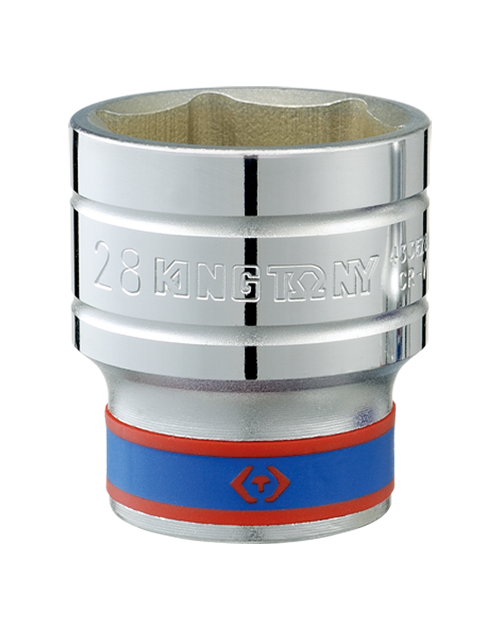 |
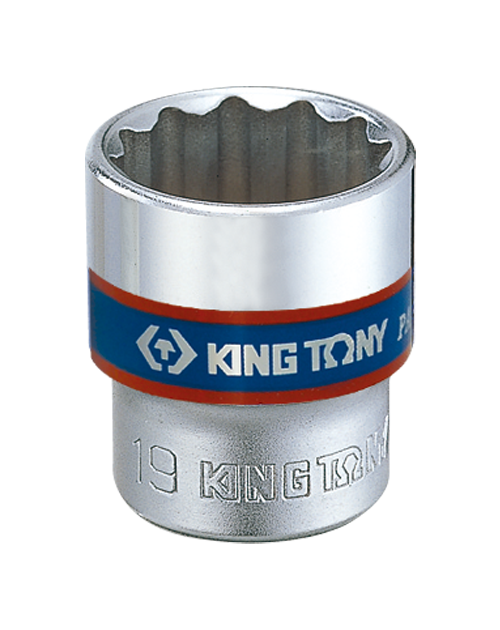 |
| Internal design | 6-Point | 12-Point |
| Engagement points | Fewer | More |
| Alignment angle | Roughly every 60° | Roughly every 30° |
| Main strength | Stable grip, good for higher loads | Faster to line up |
| Typical use case | High-load work, standard hex nuts | Tight clearance, 12-point fasteners |
When Does a 6-Point Socket Make the Most Sense?
A 6-point socket′s internal shape matches a standard hex nut, and its contact area sits right on the flat sides of the nut — so when you need real muscle to break something loose or torque it down, it usually gives you a more solid grip. It′s especially worth reaching for when:
- The nut is on tight
- The job calls for higher torque
- The fastener has been in service a while
- You want to avoid rounding off the corners any further
In those situations, a 6-point socket is usually the safer bet. That′s exactly why it′s the go-to choice for high-load work like automotive repair or heavy equipment maintenance.
When you need a solid grip and you′re working under high load, reach for the 6-point first.
Where Does a 12-Point Socket Really Shine?
The big advantage of a 12-point socket is simply having more places to engage. On a standard hex nut, a 6-point socket only lines up about every 60°, while a 12-point can find a fit roughly every 30°. That means when you′re working in a tight space and can′t swing the tool much, a 12-point socket lets you line up on the fastener a lot faster. Think:
- Deep in the engine bay
- Cramped spots on machinery
- Nearby parts blocking your swing
- Anywhere you′re constantly pulling the socket off and resetting it
That′s where a 12-point socket makes the job noticeably easier. And if the fastener itself is a 12-point nut or bolt, you′ll need the matching 12-point socket regardless.
Can a 12-Point Socket Be Used on a Hex Nut?
As long as the size and specification match, some 12-point sockets can be used on a hex nut. That said, just because it fits doesn′t mean it′s the right call for every job. When you need serious breakaway torque, or the nut is already worn or has rounded corners, a stable grip between the socket and the fastener matters more than usual. So don′t treat a 12-point socket as your default just because it′s easier to slip on — that convenience isn′t worth it in every situation.
Nut′s Already Rounded — Hex or 12-Point?
If a nut′s corners have already started to deform or round off, the first thing to check is whether you′ve got the right socket size, and how far gone the fastener actually is. If it can still seat properly with a standard hex socket, a 6-point will usually give you a more reliable grip.
But if the nut is badly rounded or deformed, simply switching to a 6-point socket won′t necessarily fix things. At that point, stop forcing it — switch to a proper nut-extraction tool or another appropriate method instead, so you don′t make the damage worse.
Once a fastener is already damaged, the answer isn′t more force — it′s figuring out the right way to get it off.
Hex or 12-Point? Here′s a Quick Way to Decide
In practice, start by looking at what the job actually needs:
| Job Condition | Go With |
|---|---|
| High load, needs a stable grip | 6-point socket |
| Tight clearance, needs quick alignment | 12-point socket |
| Fastener is 12-point by design | 12-point socket |
| Nut already shows visible wear or damage | Check the damage and size first — switch to a dedicated extraction tool if needed |
Further Reading
Want to learn about the types, structure, and common uses of sockets:
→ "Understanding Sockets"
Want to know why hand sockets and impact sockets shouldn′t just be swapped for each other:
→ "Manual vs. Impact Sockets — What′s the Difference? Can They Be Used Interchangeably?"
Want to know how to choose between metric/imperial, drive size, and socket size:
→ "Found the Torque Value — Now What Socket? A Complete Guide to Metric, Imperial, and Drive Size"
FAQ | 6-Point vs. 12-Point Sockets
Q1: Which lasts longer, a 6-point or a 12-point socket?
Durability isn′t simply a matter of 6-point vs. 12-point — material, construction, size, and design all play a role. For higher-load work on hex fasteners, a 6-point socket is usually the more stable choice.
Q2: Can a 12-point socket be used on a hex nut?
When the size and specification match, some 12-point sockets can work on a hex nut. But under high load, or when the fastener is already worn, pay closer attention to how well the socket and nut actually grip together.
Q3: For high-torque work, should I go 6-point or 12-point?
For higher-load work on a standard hex nut, go with a 6-point socket to keep a more stable grip.
Q4: When does a 12-point socket really come in handy?
When you′re working in tight clearance and need to line the socket up on the fastener within a small swing angle, a 12-point socket′s extra engagement points make the job easier.
Q5: The nut is already rounded — can I just switch to a 6-point socket and pull it off?
It depends on how bad the damage is. If the nut is badly deformed or rounded, stop forcing it and switch to a proper nut-extraction tool instead, so you don′t cause further damage.
Bottom Line: Neither Is "Better" — It′s About Using the Right One for the Job
6-point and 12-point sockets each have their own strengths. A 6-point is built for a stable, secure grip and shines under higher loads; a 12-point has more engagement points and is easier to align when your swing angle is limited.
Don′t just pick whichever feels "more convenient." Ask yourself first:
What type of fastener is it? How much load is involved? How much room do you have to work in?
Choosing based on the actual job is what keeps you working efficiently without chewing up the fastener.
Learn the tool. Enjoy the work.
Recommended Products
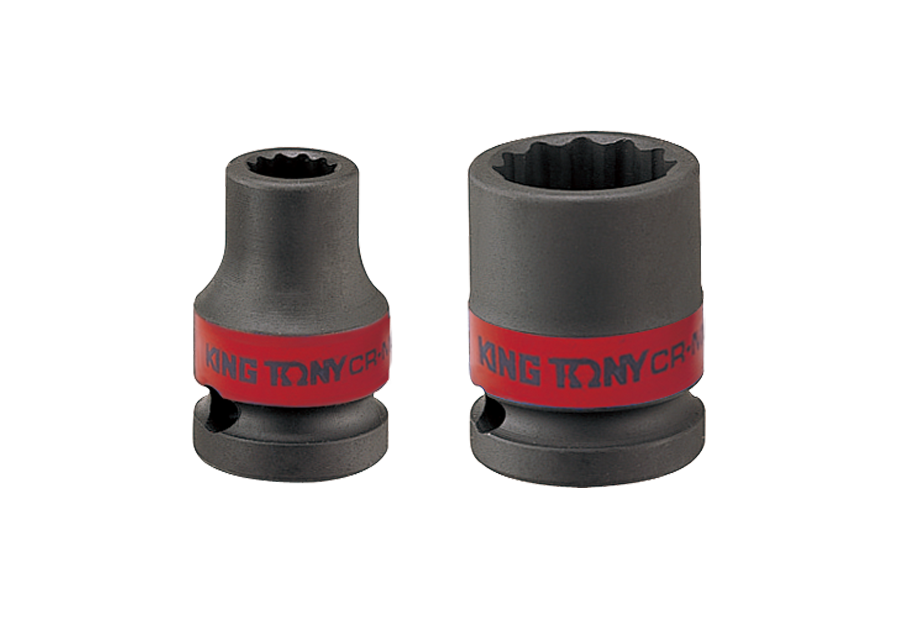
1/2" DR. 12 Point Inch Standard Impact Socket
4530S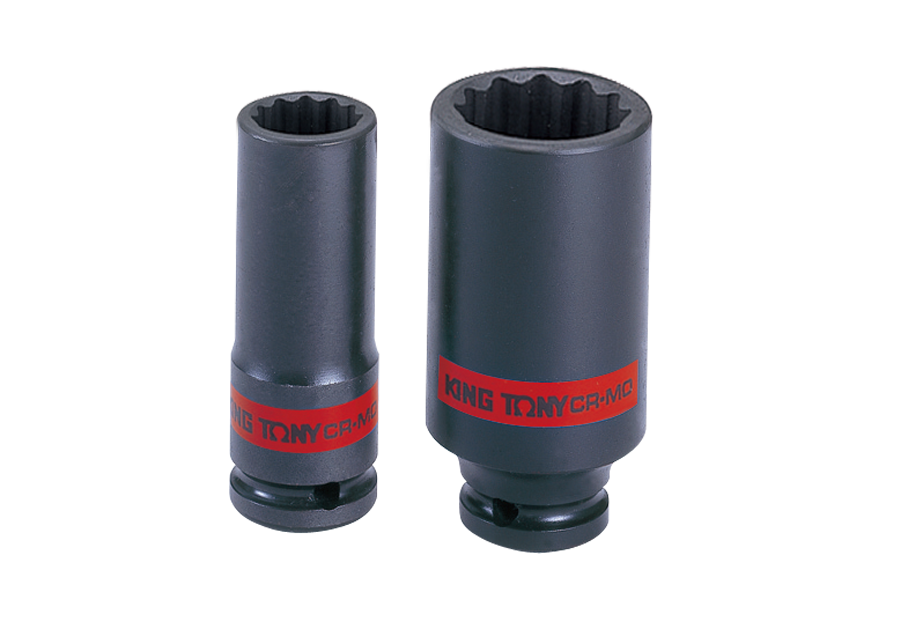
1/2" DR. 12 Point Inch Deep Impact Socket
4430S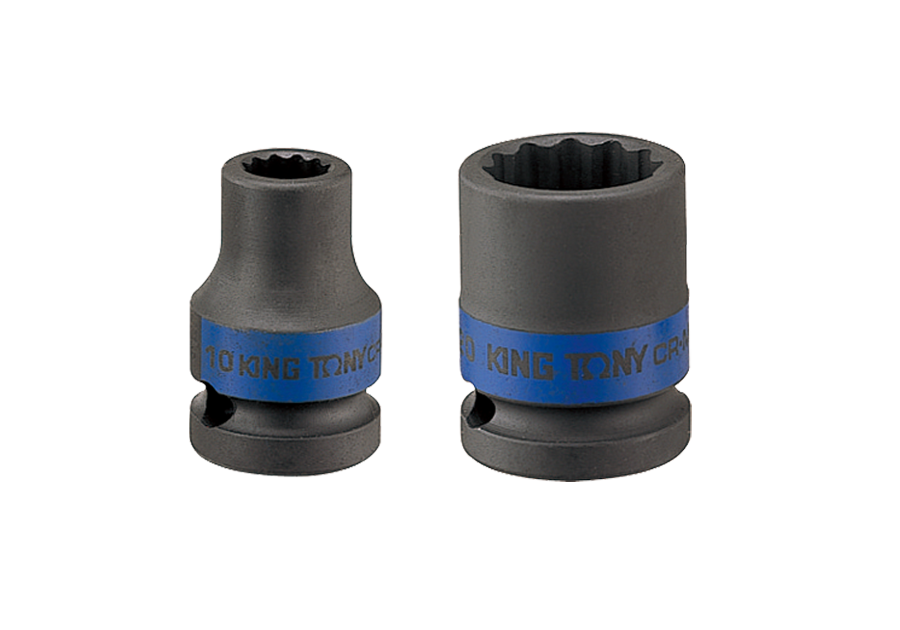
1/2" DR. 12 Point Metric Standard Impact Socket
4530M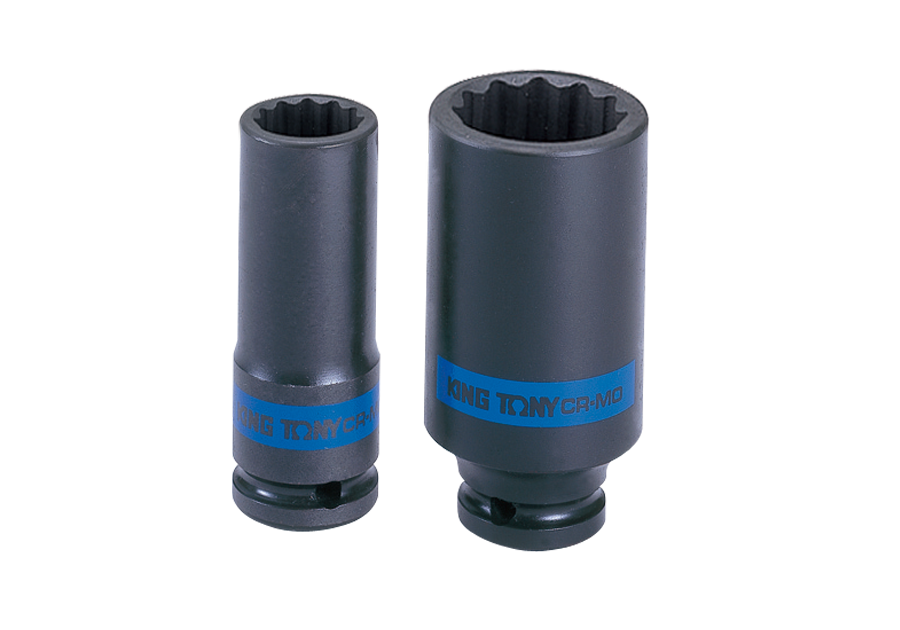
1/2" DR. 12 Point Metric Deep Impact Socket
4430M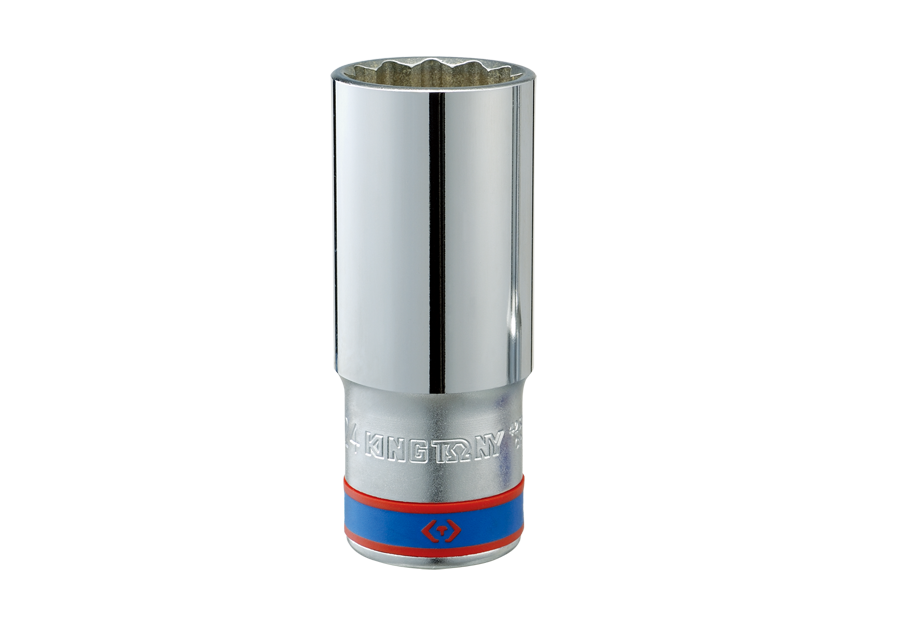
1/2" DR. 12 Point Metric Deep Socket
4230M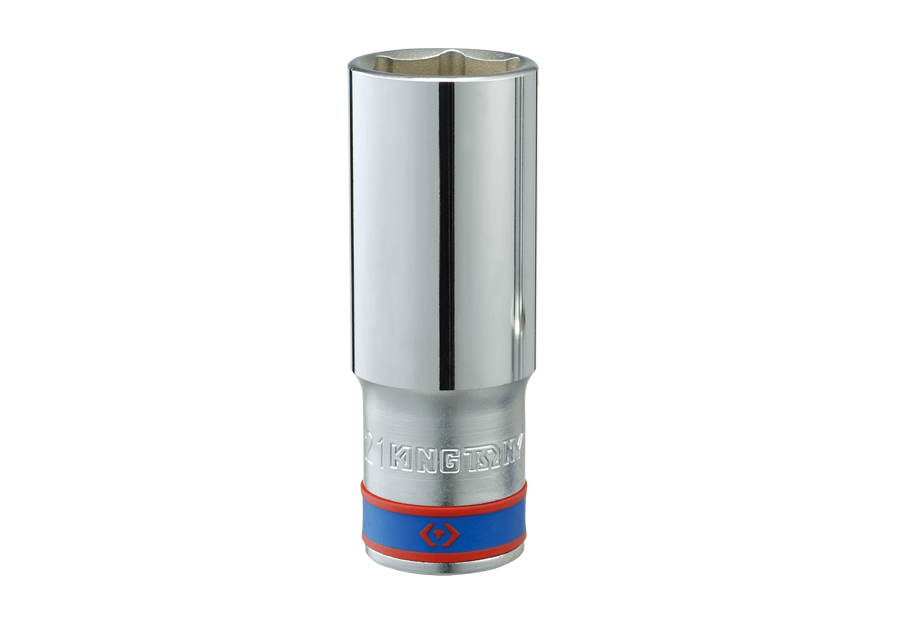
1/2" DR. 6 Point Metric Deep Socket
4235M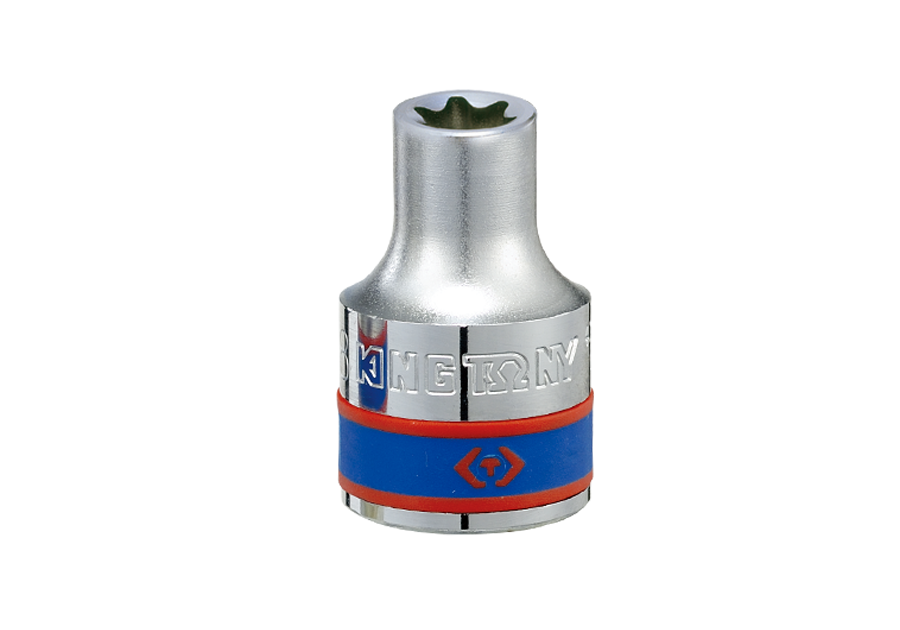
1/2" DR. Star Socket
4375M