Tools Introduction Class
Tools Feature & Advantage Introduction Class
Tools Operation and Application Class
Tools Maintanence and Repair Class
Tools Quality Checking and Certified Class
Tools Torque Introduction
Marketing Service Area
Member post
Hand socket vs. Impact Sockets — What′s the Difference? Can They Be Used Interchangeably?
Popularity : 204If a socket is the same size and the drive fits right on, does that mean it′s fine to use either way? In practice, you might find yourself with only a hand socket on hand, while the tool you′re actually using is an air impact wrench or an electric impact wrench. Since the drive size matches and it looks like it fits fine, can a hand socket just be used directly with a power tool?
The answer is: an ordinary hand socket should not be used as an impact socket.
The key issue isn′t whether it "fits" — it′s that the two are built for different kinds of force. A hand socket is mainly built for steady, continuous force applied by hand; an impact socket needs to withstand the repeated, instantaneous shocks produced by an air or electric impact tool. So even when the size matches, you should still choose the socket that suits the tool you′re actually using.
Hand Sockets vs. Impact Sockets: More Than Just Looks
With a hand tool like a ratchet wrench or a T-bar, force is applied gradually by the user and transferred to the bolt or nut. An air impact wrench or electric impact wrench, on the other hand, uses an internal impact mechanism to deliver repeated bursts of impact force in a short period. So the socket paired with it needs to withstand not just torque, but continuous impact loading as well. Because the operating conditions differ, hand sockets and impact sockets also differ in material, surface treatment, and how they′re secured — see the comparison below.
| Comparison | Hand Socket | Impact Socket |
|---|---|---|
| Typically paired with | Ratchet wrench, T-bar, and other hand tools | Air / electric impact tools |
| Common material | Cr-V chrome vanadium alloy steel | Cr-Mo chrome molybdenum alloy steel |
| Common surface treatment | Polished, chrome-plated | Phosphate coating |
| Common retention method | Ball-detent groove | Pin hole and similar retention features |
| Main type of loading | Steady, continuous force | Repeated instantaneous impact |
How Can You Tell Hand Sockets and Impact Sockets Apart by Sight?
The most intuitive way is to start by looking at the surface treatment and the retention structure. Ordinary hand sockets are typically bright chrome-plated, giving them a shinier look; impact sockets commonly have a black or dark phosphate surface treatment. That said, keep in mind:
Color is only a rough first indicator — don′t rely on "silver = hand, black = impact" alone.
Different products can look different depending on material, surface treatment, or intended use, so the most reliable approach is still to check the product′s specification and intended tool.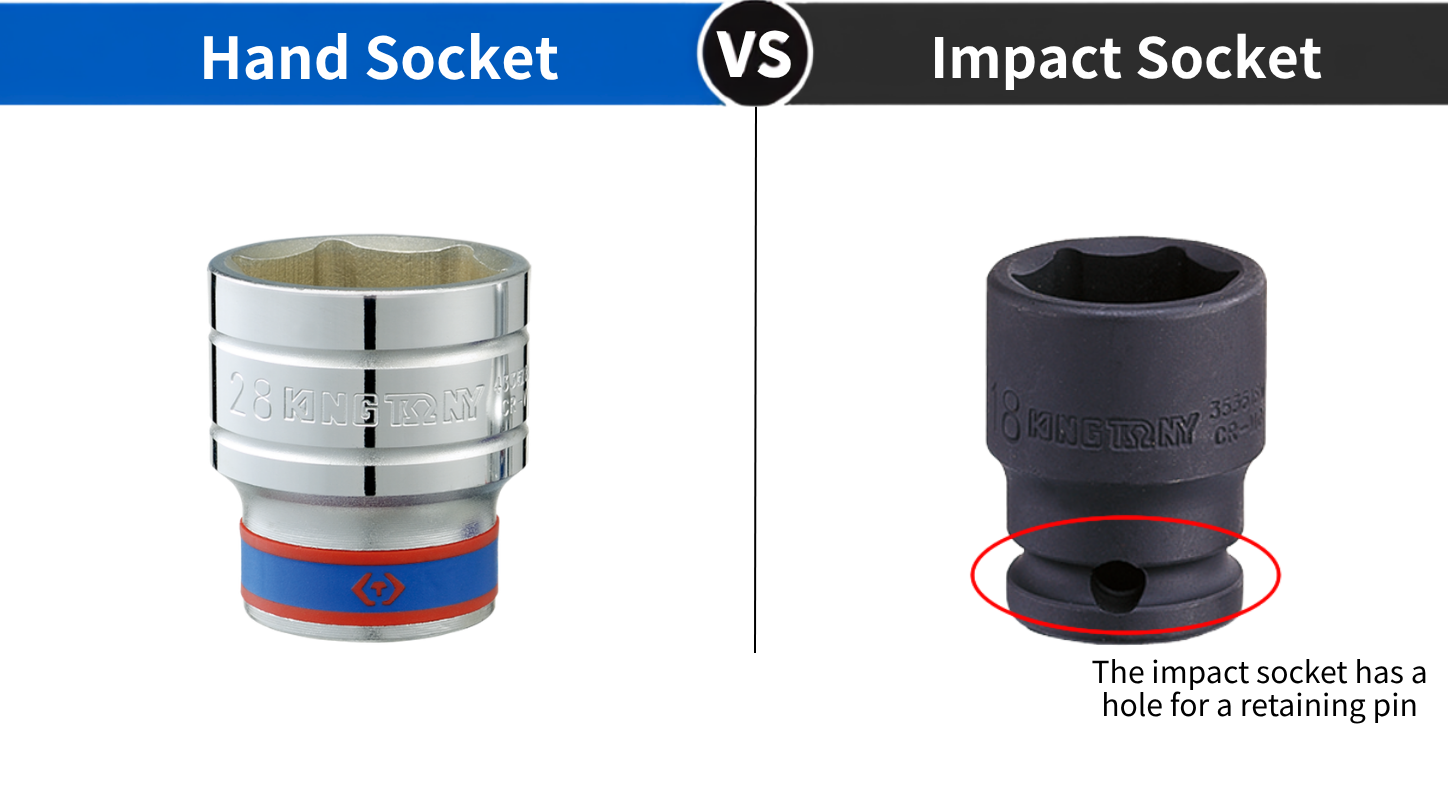
Hand socket vs. impact socket
Same Drive Size — So Why Can′t They Be Mixed?
A matching drive size only means the connection fits — it doesn′t mean the operating conditions match. For example, a hand socket and an impact wrench might both be 1/2" DR., and the two may connect just fine, but an ordinary hand socket isn′t designed for the repeated instantaneous shocks an impact tool produces.
Continuously subjecting it to loading it′s not built for can cause:
- Deformation of the socket or drive hole
- Cracking or breakage
- Poor fit with the driving tool
- Increased safety risk during operation
So when using an air impact wrench or electric impact wrench, pair it with an impact socket suited to impact work.
Fitting on isn′t the same as being suitable for use.
Can Impact Sockets Only Be Used with Air Impact Wrenches?
No.
Even though "impact socket" has "impact" in the name, its actual use isn′t limited to air-powered tools. Besides air impact wrenches, electric impact wrenches that meet the specification also need to be paired with an impact socket suited to impact work.
The real question to ask isn′t:
"Is the tool air-powered or electric?"
It′s:
"Does the tool produce impact force during operation?"
As long as it′s an impact-type power tool, it calls for a matching impact socket.
Further Reading
Want to learn about the types, structure, and common uses of sockets:
→ "Understanding Sockets"
Want to know how to choose between metric/imperial, drive size, and socket size:
→ "Found the Torque Value — Now What Socket? A Complete Guide to Metric, Imperial, and Drive Size"
FAQ | Hand Sockets vs. Impact Sockets
Q1: Can a hand socket be fitted onto an impact wrench?
Even if the drive size matches and it fits on without issue, an ordinary hand socket still shouldn′t be used with an air or electric impact tool. Hand sockets aren′t designed for repeated impact loading.
Q2: Do electric impact wrenches also need an impact socket?
Yes. Impact sockets aren′t limited to air-powered tools — they can also be paired with a matching electric impact tool. What matters is whether the tool produces impact force during operation.
Q3: Is a black socket always an impact socket?
Not necessarily. A black or dark surface is a common look for impact sockets, but color alone isn′t enough to tell — always check the product′s specification and intended tool.
Q4: Does a silver socket always mean it can′t be used with a power tool?
Color alone isn′t a reliable indicator. Check the socket′s own product specification and whether it′s suited to that power tool′s way of working.
Q5: Why do some impact sockets have a hole on the side?
Impact sockets have retention features like pin holes, which work with a pin, retaining ring, or similar system to keep the socket securely connected to the power tool.
Conclusion: Choosing the Right Socket Isn′t Just About Size
Even when a hand socket and an impact socket share the same drive size, the conditions they′re built to handle are still different. A hand socket is mainly built to withstand steady force applied by hand; an impact socket has to withstand the repeated, instantaneous shocks produced by an impact tool.
So before starting a job, beyond confirming:
"Does this socket fit on?"
What matters more is confirming:
"Is this socket suited to the tool I′m actually using?"
Pairing the right tool with the right socket is what protects your efficiency, your tool′s lifespan, and your safety.
Learn the tool. Enjoy the work.
Recommended Products
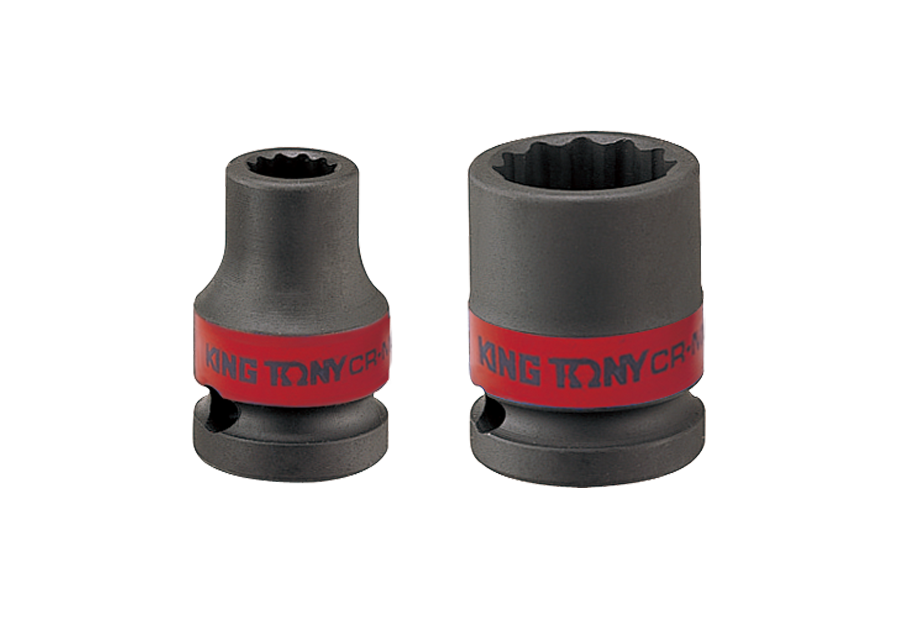
1/2" DR. 12 Point Inch Standard Impact Socket
4530S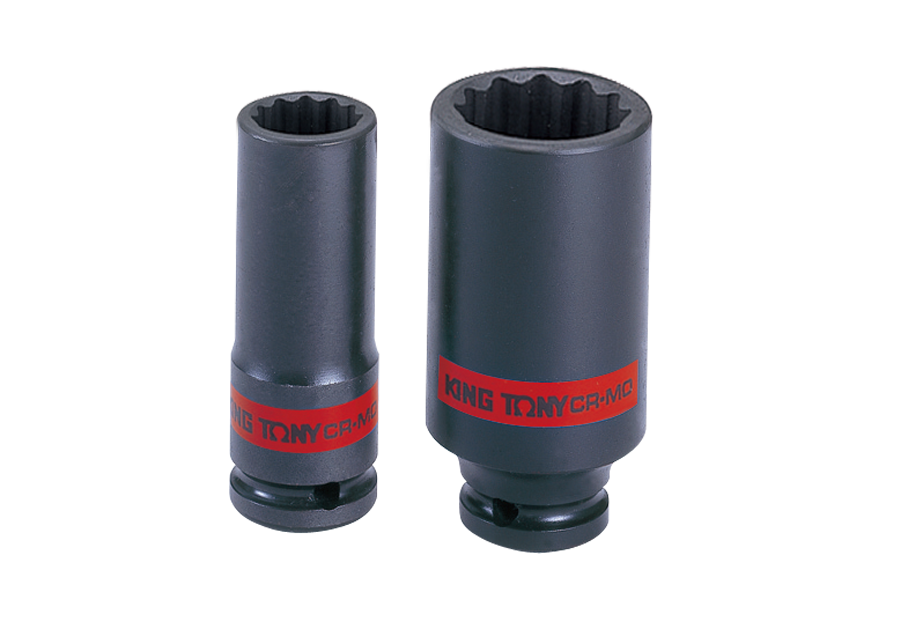
1/2" DR. 12 Point Inch Deep Impact Socket
4430S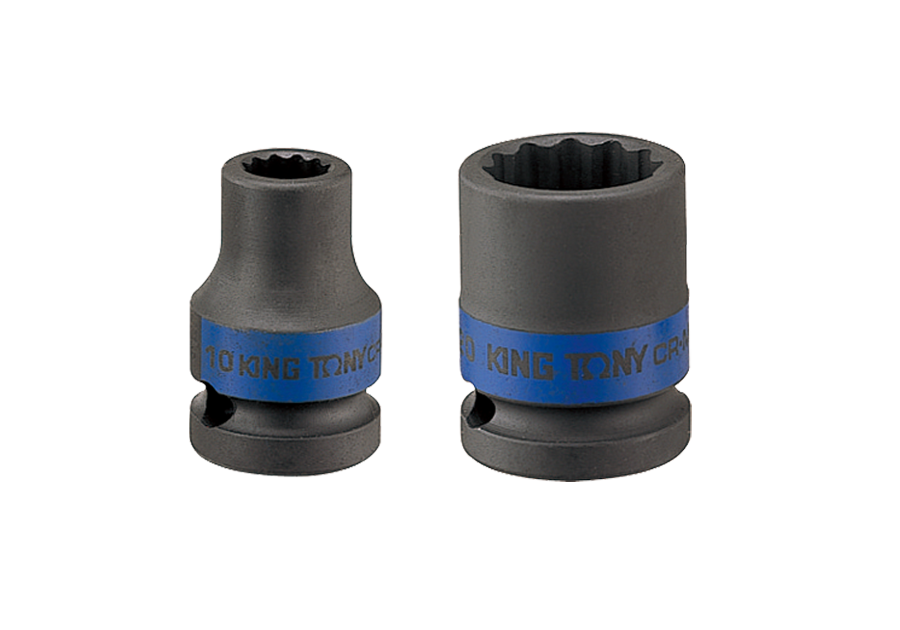
1/2" DR. 12 Point Metric Standard Impact Socket
4530M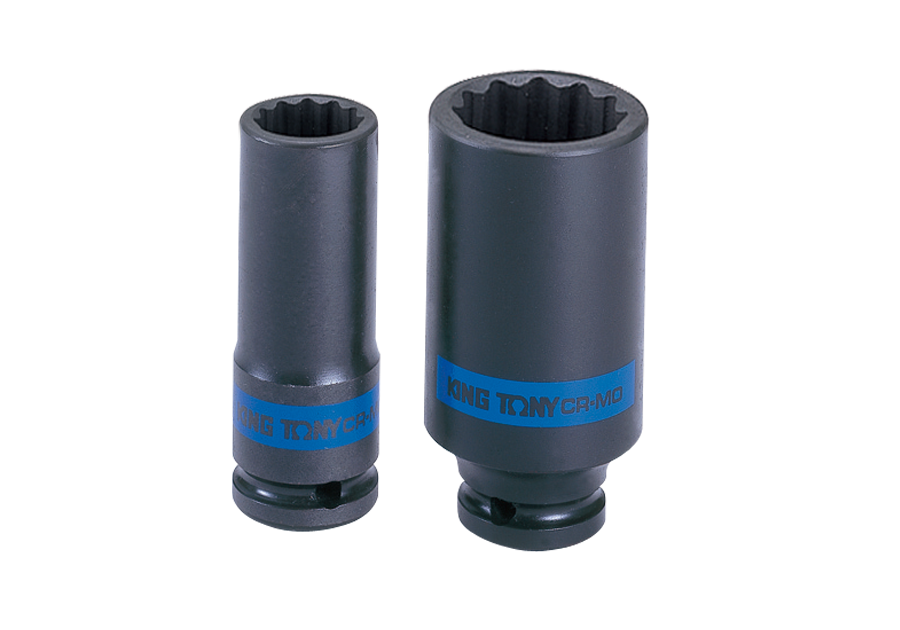
1/2" DR. 12 Point Metric Deep Impact Socket
4430M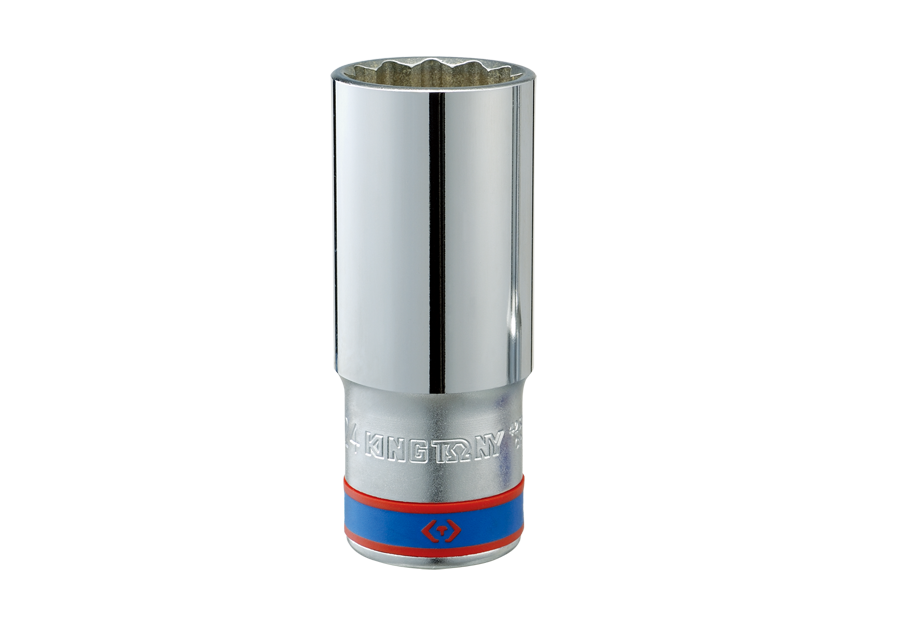
1/2" DR. 12 Point Metric Deep Socket
4230M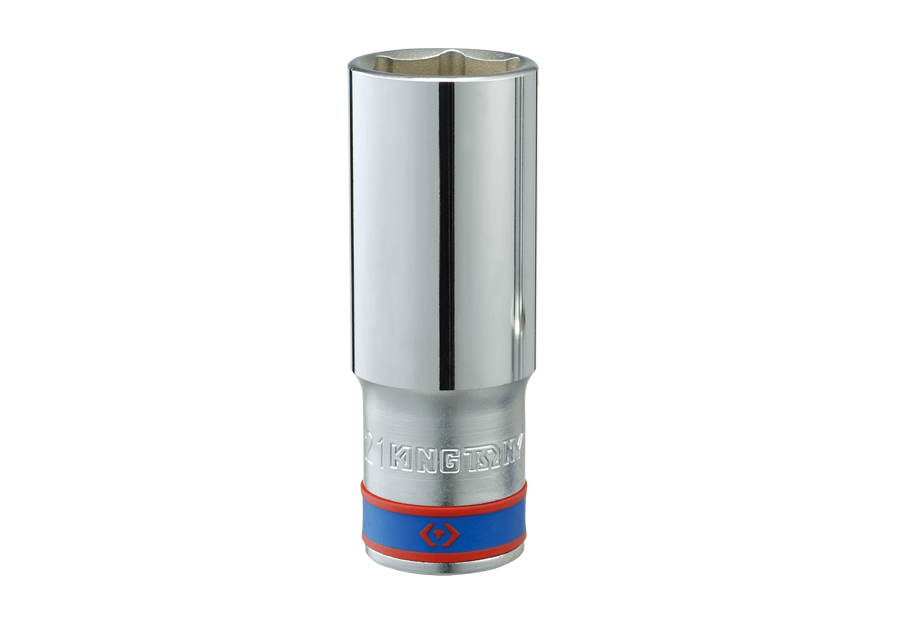
1/2" DR. 6 Point Metric Deep Socket
4235M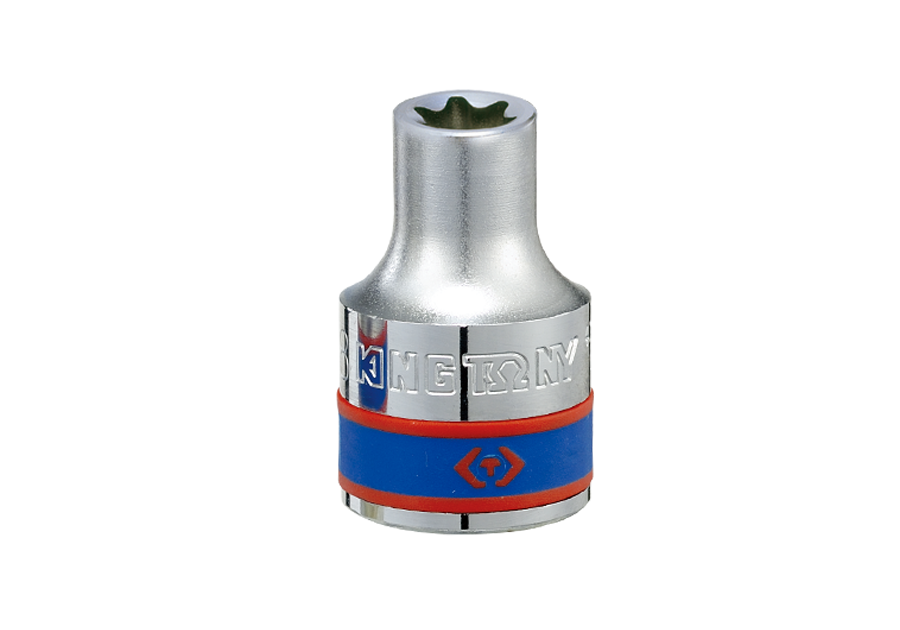
1/2" DR. Star Socket
4375M