Tools Introduction Class
Tools Feature & Advantage Introduction Class
Tools Operation and Application Class
Tools Maintanence and Repair Class
Tools Quality Checking and Certified Class
Tools Torque Introduction
Marketing Service Area
Member post
After Finding the Torque Value, How Do You Select the Socket? Understand Metric, Imperial, and Square Drive Sizes at a Glance
Popularity : 184In the previous articles, we introduced how to look up bolt torque values, identify bolt grades, and understand why thread condition and fastening conditions affect torque. This article continues from the perspective of actual tool selection and explains the differences between metric and imperial sizes, socket sizes, and square drive specifications.
What Is the Difference Between Metric and Imperial Sockets?
The most direct difference between metric and imperial sockets is the way the socket opening size is indicated. Metric sockets are measured in millimeters, with common markings including 10 mm, 13 mm, 17 mm, and 19 mm; imperial sockets are indicated in fractions of an inch, such as 1/4", 1/2", 9/16", and 11/16".
In general, Asian and European vehicles and most industrial equipment more commonly use metric specifications, while American vehicles and some imported machinery may use imperial specifications. Although some metric and imperial sizes are very close and may even be forced onto the same nut, this does not mean that they can be directly interchanged.
In addition to the size marked on the socket body, KING TONY sockets can also be quickly identified by the band color. A red-blue-red band indicates a metric socket, while a blue-red-blue band indicates an imperial socket. During work, first use the color to distinguish metric and imperial sockets, and then confirm the number on the socket to reduce the possibility of selecting the wrong tool.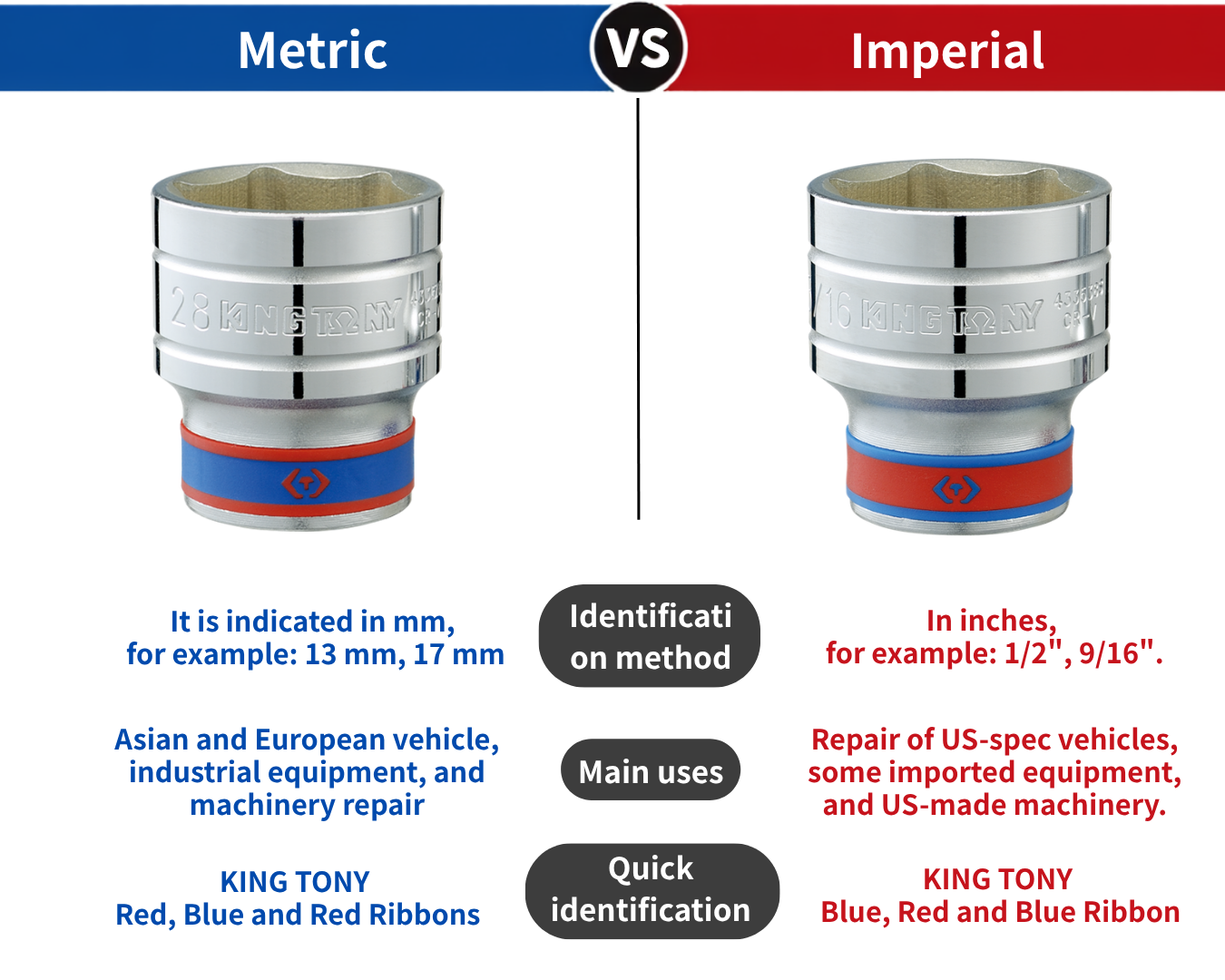
Metric and Imperial Socket Identification Table
Are 1/2" and 1/2" DR. the Same Size?
No. Although both are marked 1/2", they have completely different meanings. A standalone 1/2" marking usually refers to the opening size of an imperial socket and is used for a 1/2" nut or bolt head; 1/2" DR. refers to the square drive size and indicates that the rear end of the socket must be connected to a 1/2" DR. ratchet, torque wrench, or other drive tool. DR. is the abbreviation for Drive and can be understood as the connection specification between tools.
For example, a socket may be marked with both “13 mm, 1/2" DR.” The 13 mm indicates the opening size at the front of the socket, while 1/2" DR. indicates the square drive size at the rear. This socket is still a metric socket, but it must be used with a 1/2" DR. drive tool.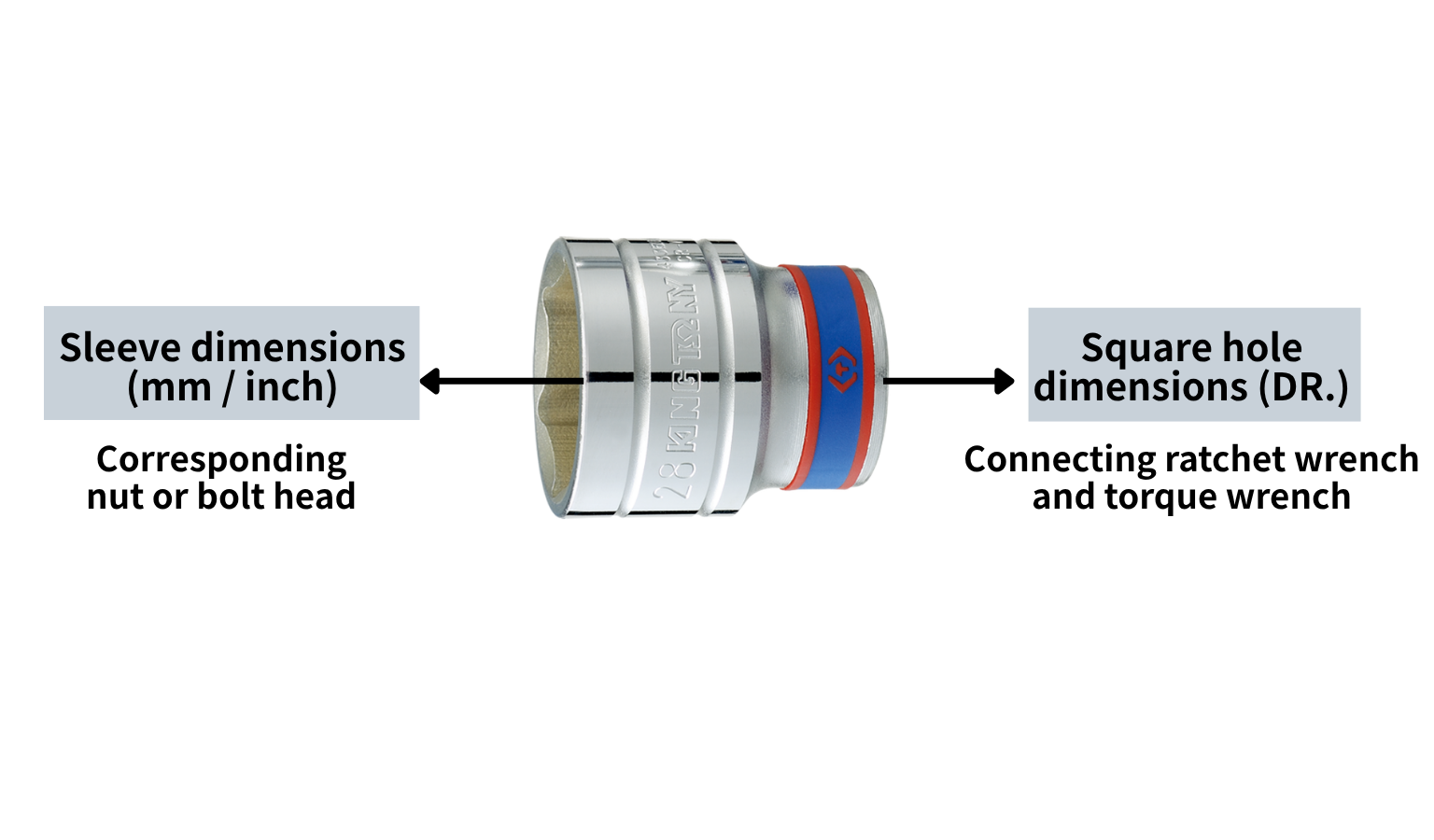
How to Use a Socket: The Front End Fits the Bolt or Nut, and the Rear End Fits the Drive Tool
How Should Common Square Drive Sizes Be Selected?
A larger square drive is not always better. It should be selected according to the bolt size, working space, and force required for the operation.
| Square Drive Size | Common Applications |
|---|---|
| 1/4" DR. | Small fasteners, confined spaces, and lower-torque operations |
| 3/8" DR. | Automotive and motorcycle repair, general machinery, and routine maintenance |
| 1/2" DR. | Tires, chassis, and higher-torque operations |
| 3/4", 1" DR. | Heavy-duty vehicles, large equipment, and high-torque operations |
Using an oversized drive tool for small fasteners may reduce operating flexibility; using a tool that is too small for high-torque operations may also exceed the suitable operating range of the socket, adapter, or drive tool. In addition, the same square drive size only means that the tools can be connected; it does not mean that the torque range is necessarily suitable. Before using a torque wrench, confirm that the recommended torque value falls within the adjustable range of the tool.
Being connectable does not mean it is being used correctly.
Can Metric and Imperial Sockets Be Used Interchangeably?
It is not recommended. Sockets of similar sizes may fit, but a slight clearance will still remain between the socket and the nut. When force is applied, the force can easily concentrate on the corners of the nut, causing the socket to wobble, slip, or damage the nut. This problem becomes even more apparent when using a long-handle wrench or torque wrench.
Therefore, metric bolts and nuts should be used with correctly sized metric sockets, while imperial bolts and nuts should be used with imperial sockets. Do not judge only by whether the tool can fit; also confirm that it fits securely and that there is no obvious looseness.
Just because it fits does not mean the size is correct.
How Should Tools Be Matched After Finding the Torque Value?
After finding the recommended torque value in a bolt torque chart, fastening should not begin immediately. In addition to confirming the bolt grade, thread condition, and fastening conditions, select a socket of the correct size and confirm whether the socket square drive matches the torque wrench.
The entire selection sequence can be remembered as follows:
Confirm Nut Size → Select the Corresponding Socket → Confirm Square Drive Size → Confirm Torque Tool
First, select the corresponding metric or imperial socket according to the actual specification of the nut or bolt head. Next, confirm whether the square drive size at the rear of the socket can connect to the torque wrench. Finally, confirm that the recommended torque value falls within the adjustable range of the torque wrench.
Metric and imperial sockets can be connected to the same torque wrench as long as the square drive size at the rear is the same. For example, if a 13 mm metric socket and a 1/2" imperial socket are both 1/2" DR., they can both be connected to the same 1/2" DR. torque wrench.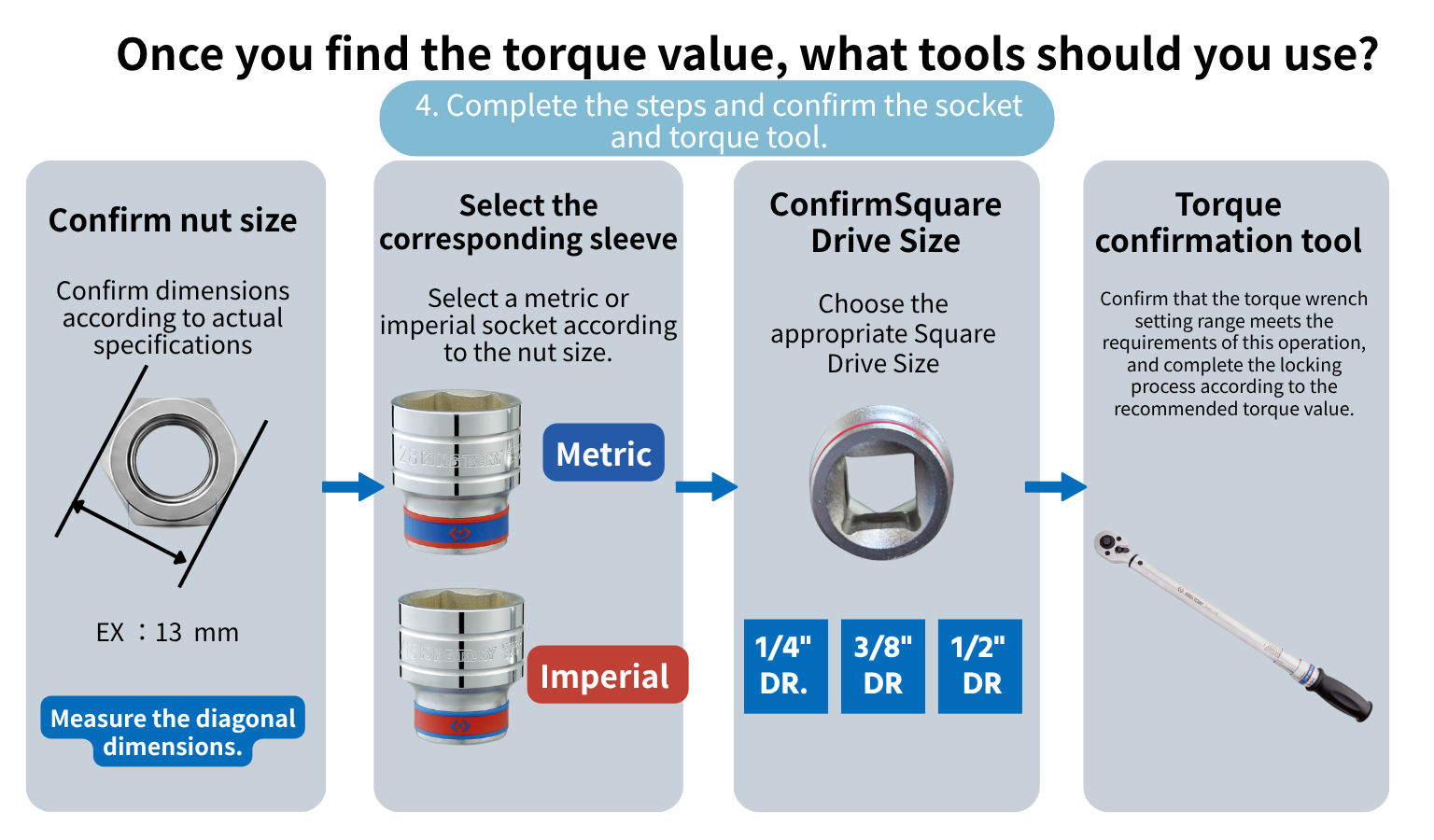
Bolt Fastening Procedure
Frequently Asked Questions FAQ
Q1: What is the difference between 1/2" and 1/2" DR.?
1/2" usually indicates the opening size of an imperial socket; 1/2" DR. indicates the square drive size at the rear of the socket.
Q2: How can KING TONY metric and imperial sockets be quickly distinguished?
A red-blue-red band indicates a metric socket, while a blue-red-blue band indicates an imperial socket. After confirming the color, check the number on the socket body to confirm the actual size.
Q3: Can a 17 mm socket be used instead of an 11/16" socket?
It is not recommended. The two sizes are close but not identical, and the clearance may cause slipping or damage to the corners of the nut when force is applied.
Q4: Can a metric socket be connected to a 1/2" DR. torque wrench?
Yes, provided that the rear of the socket is also 1/2" DR. and the torque wrench adjustment range meets the requirements of the operation.
Conclusion: After Finding the Torque Value, the Correct Tool Must Also Be Selected
Looking up the torque value is only the first step in a fastening operation. From the bolt grade, thread and lubrication condition to the socket size, square drive specification, and tool type, every stage affects the final fastening result.
Through this series of articles, we have sequentially covered looking up torque values, determining applicable conditions, and selecting the correct tools. When using KING TONY sockets, first check the band color to distinguish metric and imperial sockets, and then confirm the socket size, square drive specification, and applicable tool range.
Selecting the correct socket and tool allows the identified torque data to be properly applied at the worksite, resulting in safer, more stable, and more efficient fastening operations.
If you have any thoughts about this article or would like to see a specific topic, feel free to leave a comment on the post!
Still unsure how to check bolt grades and recommended torque values? Visit Torque Unit Conversion for Bolt Grades to learn more.
Want to know what bolt grades 4.8, 8.8, 10.9, and 12.9 mean? Visit What Do Bolt Grades 4.8, 8.8, 10.9, and 12.9 Mean? to learn more.
Want to know why the torque value you find may not always be the correct answer?Visit Why isn’t torque value a fixed number?to learn more
Recommended Products
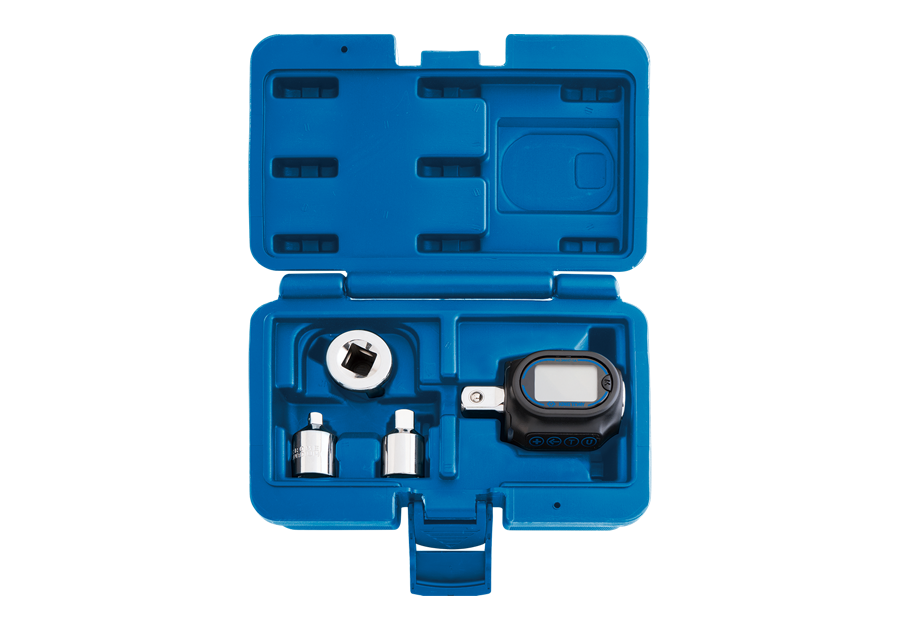
Digital Angle Adapter
34417-1A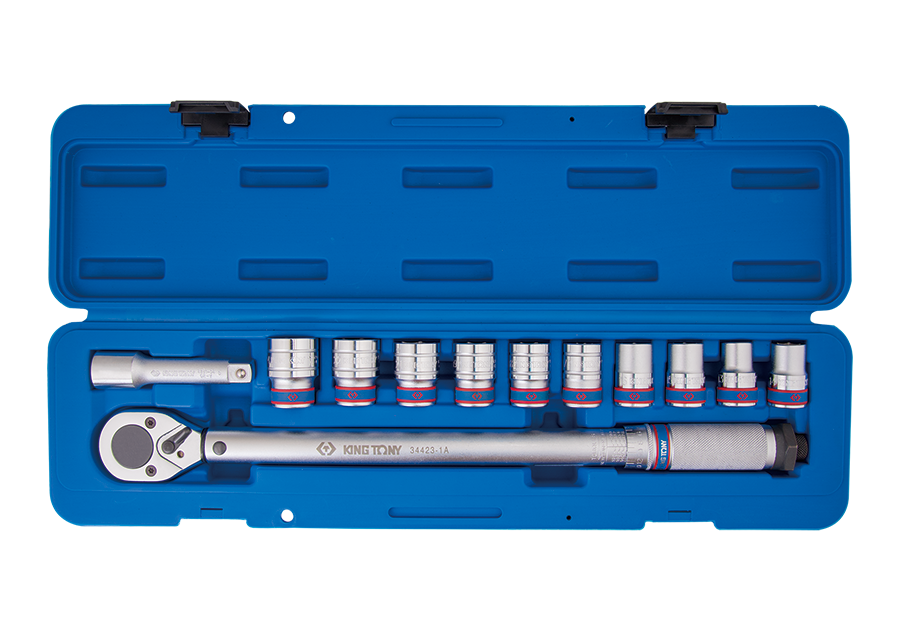
12 PC. Adjustable Torque Wrench Set
344251A12MR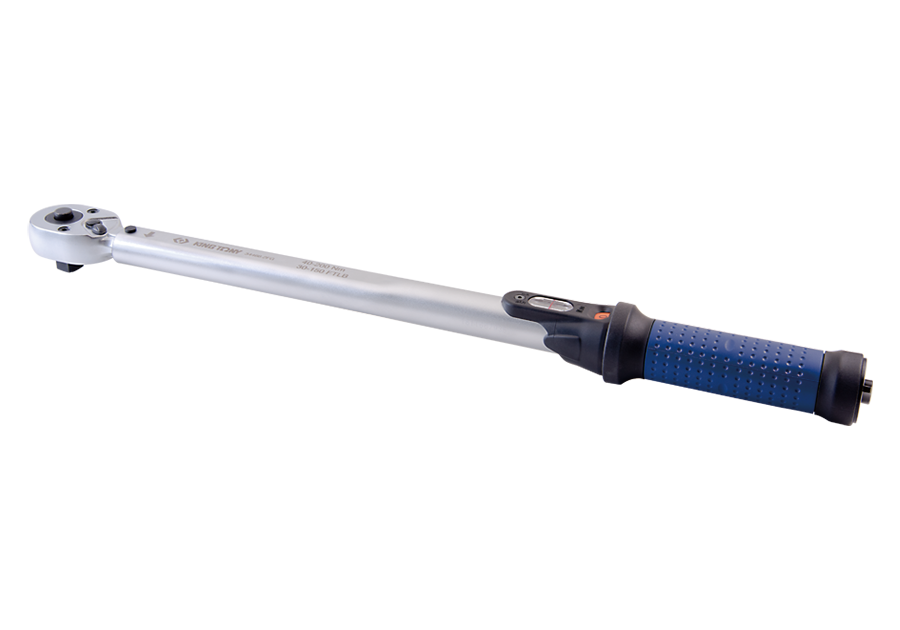
Window Type Adjustable Torque Wrench (Newton Meter & English)
34466-FG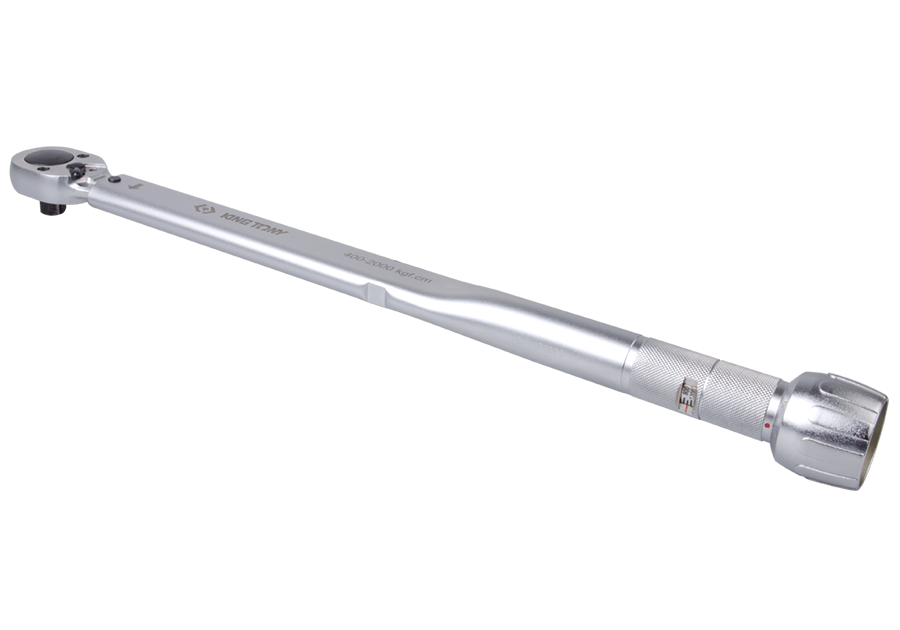
Click Type Adjustable Torque Wrench (Kilogram)
3442F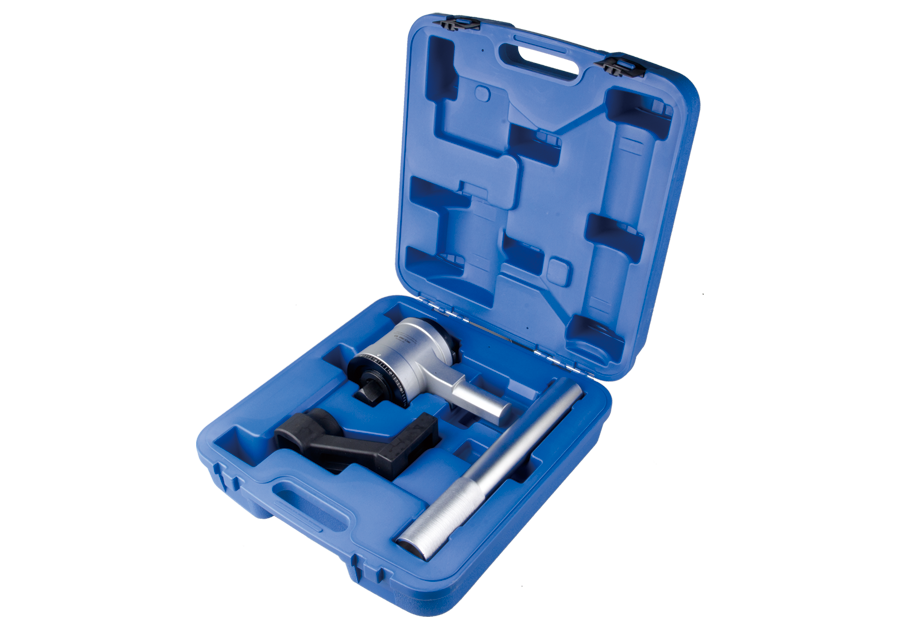
Torque Multiplier(1/2"F x 1"M)
34488-26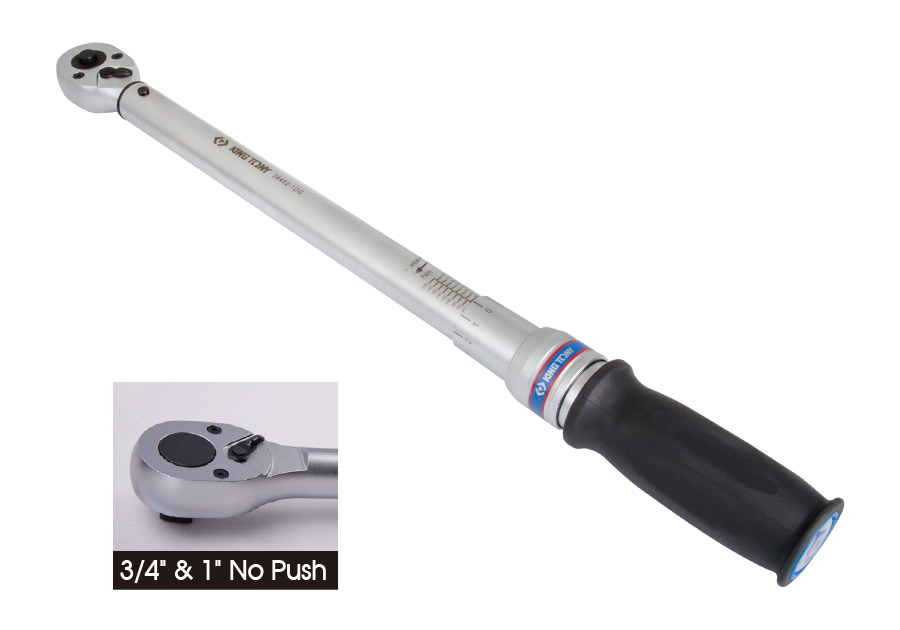
Heavy Duty Adjustable Torque Wrench (Newton Meter)
34462-DG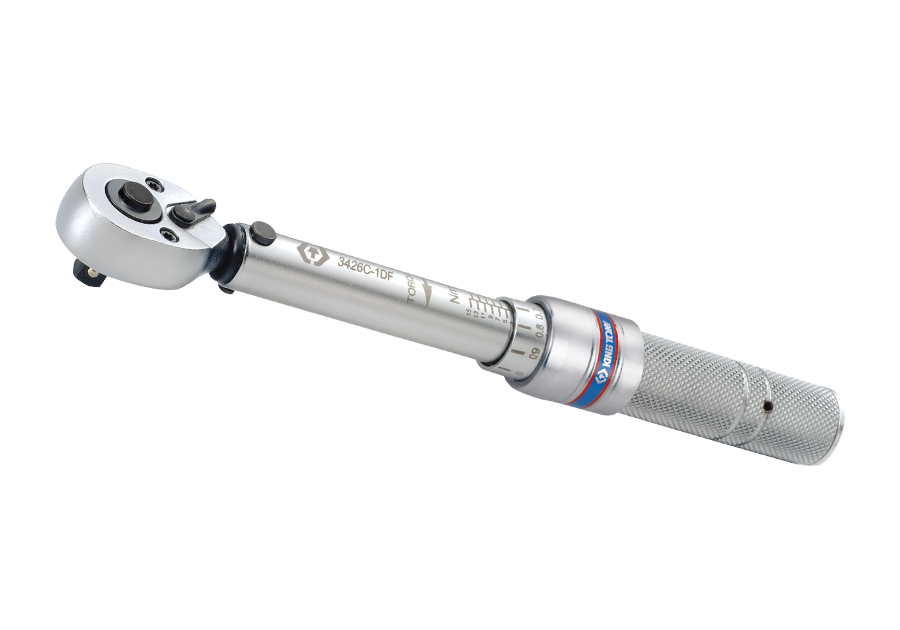
Mini-type Heavy Duty Torque Wrench (Newton Meter)
3426C-DF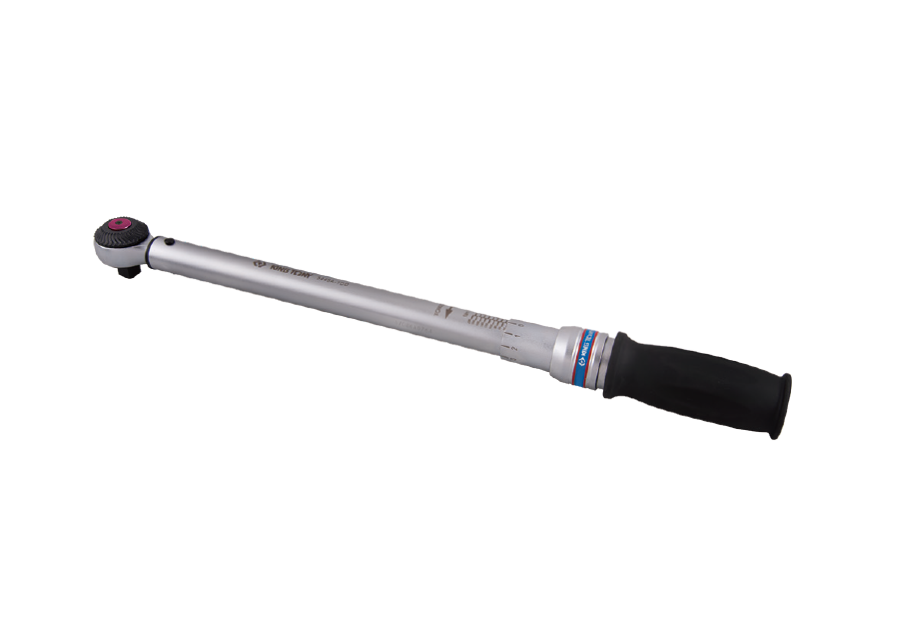
72PT Heavy Duty Adjustable Torque Wrench (Newton Meter)
3446A-DG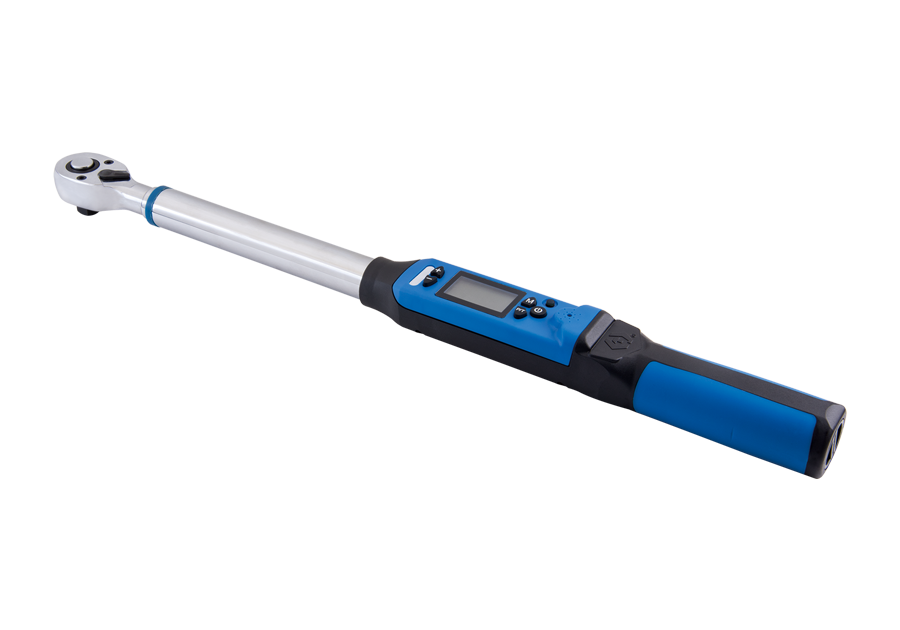
Electronic Torque Wrench
34467-AG