Tools Introduction Class
Tools Feature & Advantage Introduction Class
Tools Operation and Application Class
Tools Maintanence and Repair Class
Tools Quality Checking and Certified Class
Tools Torque Introduction
Marketing Service Area
Member post
Why Is Torque Not a Fixed Value? Understanding Thread Condition, Material, and Tightening Conditions
Popularity : 345The previous article introduced bolt grades and recommended torque values, and also explained why bolts of the same size require different tightening torques due to differences in strength grade. However, once the bolt size and strength grade have been confirmed and the recommended torque value has been found, can the bolt be tightened directly according to the torque chart? The answer is not necessarily.
This is because thread condition, lubrication conditions, joint method, and the condition of the bolt itself may all affect the final tightening result. This article will further explain why torque values are not fixed answers and what other factors must be considered during actual tightening to ensure that bolts are tightened safely and reliably.
Why Can the Recommended Torque Value Still Differ for the Same Bolt?
Bolt size and strength grade are important references for determining the recommended torque value, but they are not the only factors that determine the tightening result. Bolt tightening can be compared to pushing a cart. A cart of the same weight requires more force to move on a rough surface, while less force is required on a smooth surface. The same principle applies to bolt tightening. When tightening conditions change, the friction generated during the tightening process also changes, so the required torque value will naturally differ.
Dry and Lubricated Threads Require Different Torque Settings
One of the greatest differences when tightening bolts is whether the threads are lubricated. Dry threads have greater friction and require higher torque to generate sufficient clamping force. Lubricated threads have lower friction, so under the same torque, the tensile force applied to the bolt will be greater. Therefore, if the torque value for dry threads is directly applied to a lubricated bolt, overtightening may occur, increasing the risk of stripped threads, bolt deformation, or even breakage.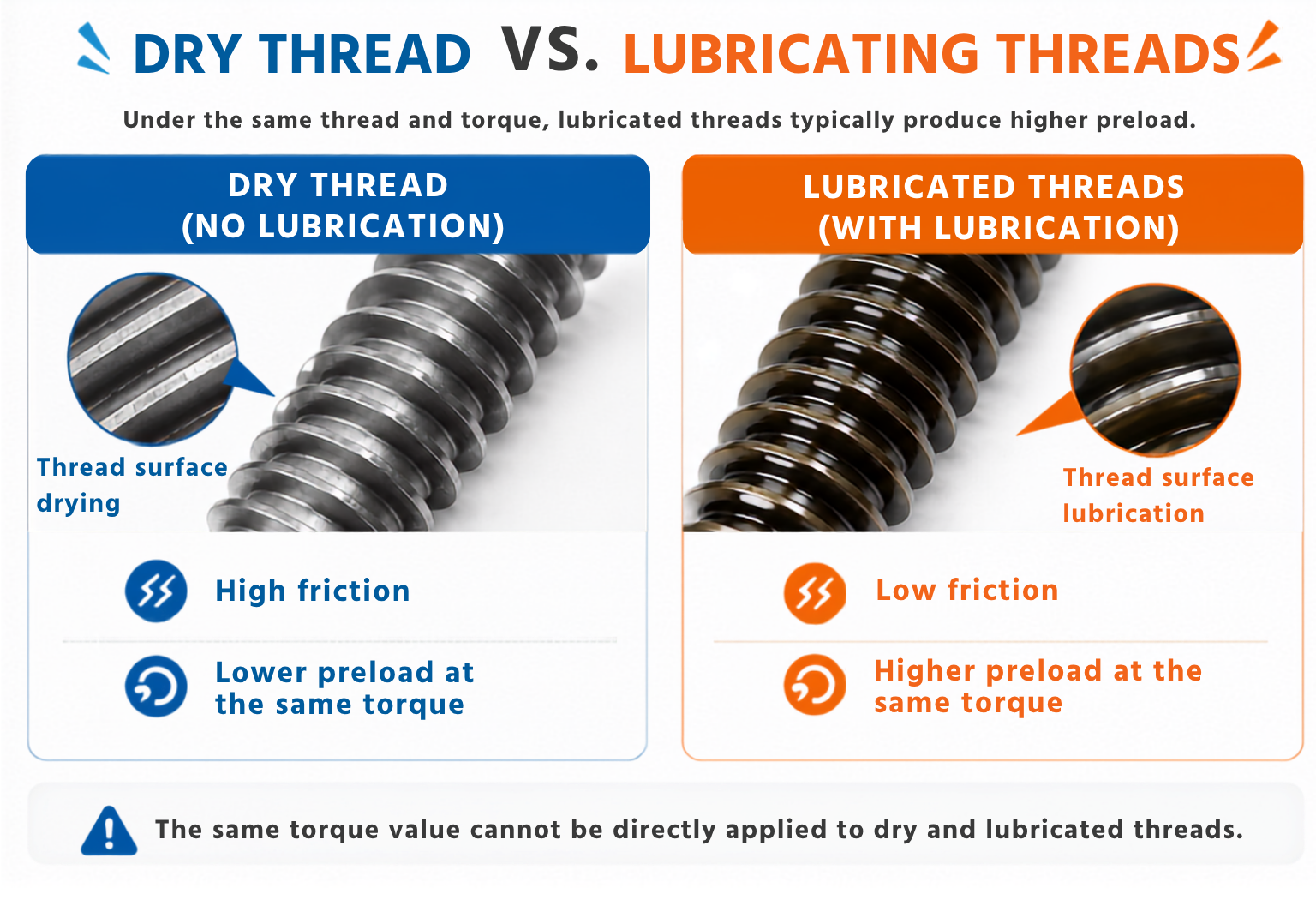
Effect of Dry and Lubricated Bolts on Torque Values
Different Joint Conditions Also Change the Torque Value
In addition to the bolt itself, the workpiece material and joint method also affect the tightening result. For example, different materials such as steel and aluminum alloy do not have the same ability to withstand tightening pressure. The use of washers, flange surfaces, or different types of nuts also changes the way force is distributed after the bolt is tightened. Therefore, even when bolts of the same size and grade are used, the appropriate torque value may differ depending on the workpiece material or assembly method. During actual operation, tightening should not only refer to the torque chart, but should also follow the specifications in the equipment or original manufacturer service manual.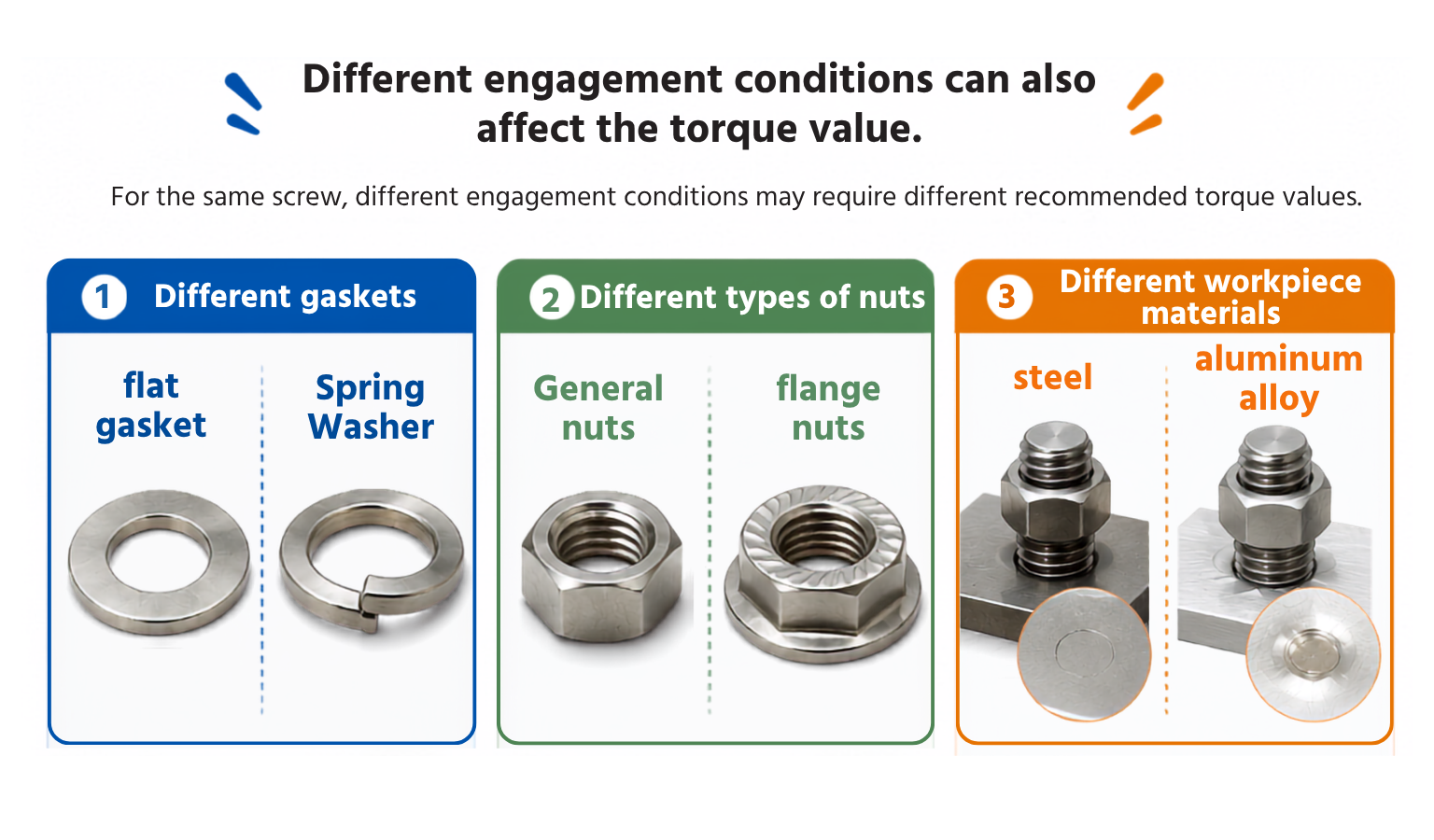
Effect of Joint Conditions on Torque Values
Can Used Bolts Still Be Tightened to the Original Torque Value?
Recommended torque values are generally based on new bolts in good condition. If a bolt is corroded, worn, has damaged threads, or has previously been overtightened, applying the same torque may not produce the same tightening result. Therefore, if a bolt has visible damage or the original manufacturer specification requires replacement, it should be replaced with a new bolt.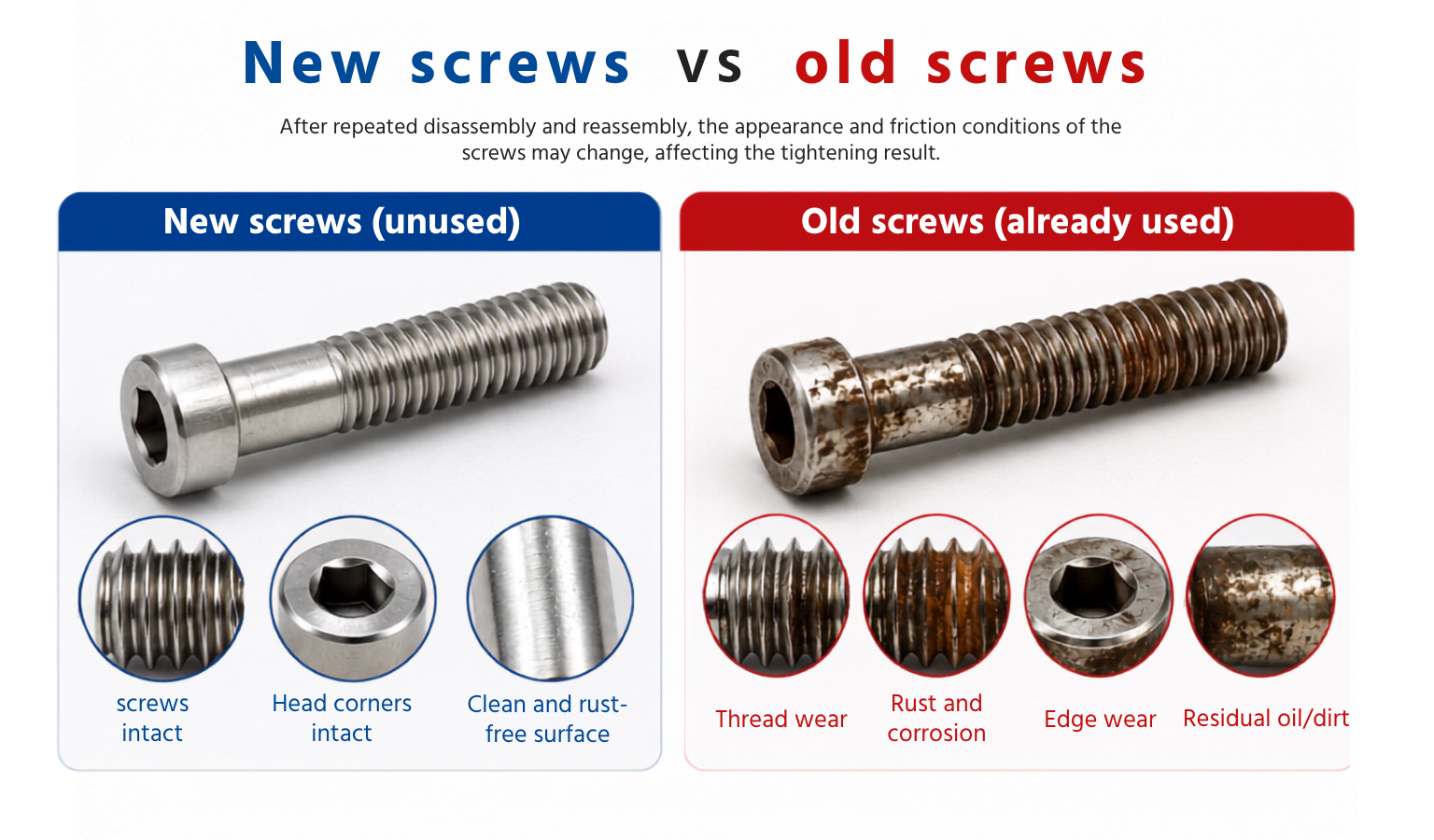
Effect of New and Used Bolts on Torque Values
What Problems Can Excessive or Insufficient Torque Cause?
Many people believe that the tighter a bolt is, the safer it will be. This is not necessarily true. If the torque is insufficient, inadequate clamping force may cause the bolt to gradually loosen. If the torque is excessive, the bolt or workpiece may be subjected to forces beyond its design range. Both excessive and insufficient torque may affect equipment stability and operational safety.
| Condition | Possible Problems |
|---|---|
| Insufficient torque | Insufficient clamping force, gaps between components, loose bolts, abnormal noise, oil leakage, air leakage, or component displacement. |
| Excessive torque | Permanent bolt elongation, stripped threads, bolt breakage, or deformation and cracking of the workpiece or contact surface. |
Therefore, the correct tightening method is not to tighten by feel, but to set the tool according to the appropriate torque specification.
Correct Torque Values Also Require the Correct Torque Tool
Even when the correct torque value has been confirmed, errors may still occur if the torque tool has an unsuitable measurement range, insufficient accuracy, or has not been calibrated for an extended period. A torque wrench that meets the application requirements should be selected, and it should be set and operated according to the tool instructions. When the torque wrench produces a sound, vibration, or another indication that the preset value has been reached, force should be stopped immediately to avoid additional tightening. If the tool has been dropped, subjected to impact, or used for an extended period, it should also be regularly inspected and calibrated to ensure that the torque setting matches the actual output.
What Else Should Be Considered During Actual Operation After Checking the Torque Chart?
A torque chart can help identify an initial recommended value based on the bolt size and strength grade. However, before final tightening, it is still recommended to confirm whether the threads are dry or lubricated, whether the bolt is corroded or worn, whether washers or other special joint methods are used, and whether the equipment has separate original manufacturer specifications. A calibrated torque tool with an appropriate measurement range should also be used to ensure that the tightening result meets expectations.
Therefore, the values in a torque chart should be regarded as reference values under specific conditions, rather than fixed answers that can be directly applied in every situation. Only by considering the bolt specification, tightening conditions, tool accuracy, and actual operating environment together can the bolt generate the appropriate clamping force and ensure joint stability and equipment safety.
Frequently Asked Questions FAQ
Q1: After checking the torque chart, can the bolt be tightened directly according to the recommended torque value?
Not necessarily. In addition to referring to the torque chart, it is also necessary to confirm whether the threads are lubricated, whether washers are used, the workpiece material, the condition of the bolt, and whether the equipment has separate original manufacturer specifications.
Q2: Why can the torque value still differ for bolts of the same size and grade?
This is because factors such as thread condition, lubrication conditions, workpiece material, and joint method may change the tightening conditions. Therefore, even when the same torque value is applied, the final tightening result may differ.
Q3: Can lubricated threads and dry threads use the same torque value?
This is generally not recommended. Lubrication reduces thread friction, causing the same torque to generate greater clamping force. Therefore, the appropriate torque value should be set according to the lubrication conditions or original manufacturer specifications.
Q4: Can used bolts be reused directly with the original torque value?
This should be determined according to the condition of the bolt and the original manufacturer specifications. If the bolt is worn, corroded, or has damaged or deformed threads, replacement with a new bolt is generally recommended to ensure tightening safety.
Q5: Under what circumstances should the original manufacturer torque specification be given priority?
When the equipment manufacturer provides a torque specification, operation should follow the original manufacturer information as a priority. Original manufacturer specifications normally take material, structure, lubrication conditions, and safety requirements into consideration, reducing the risk of equipment damage and safety hazards.
Conclusion: The Torque Chart Is a Reference, but Actual Conditions Are the Key
Bolt size and strength grade can help identify the recommended torque value, but actual tightening should also consider lubrication condition, workpiece material, joint method, bolt condition, and equipment specifications. Even for bolts of the same size and grade, the most suitable torque value may differ when tightening conditions are different.
Therefore, a torque chart should be regarded as an important reference, rather than a fixed answer that can be directly applied in every situation. If the equipment has an original manufacturer manual, service information, or specified torque requirements, operation should follow the original manufacturer requirements as a priority. A torque tool in good condition and properly calibrated should also be used to ensure both tightening quality and operational safety.
Still unsure how to check bolt grades and recommended torque values? Visit Torque Unit Conversion for Bolt Grades to learn more.
Want to know what bolt grades 4.8, 8.8, 10.9, and 12.9 mean? Visit What Do Bolt Grades 4.8, 8.8, 10.9, and 12.9 Mean? to learn more.
Recommended Products
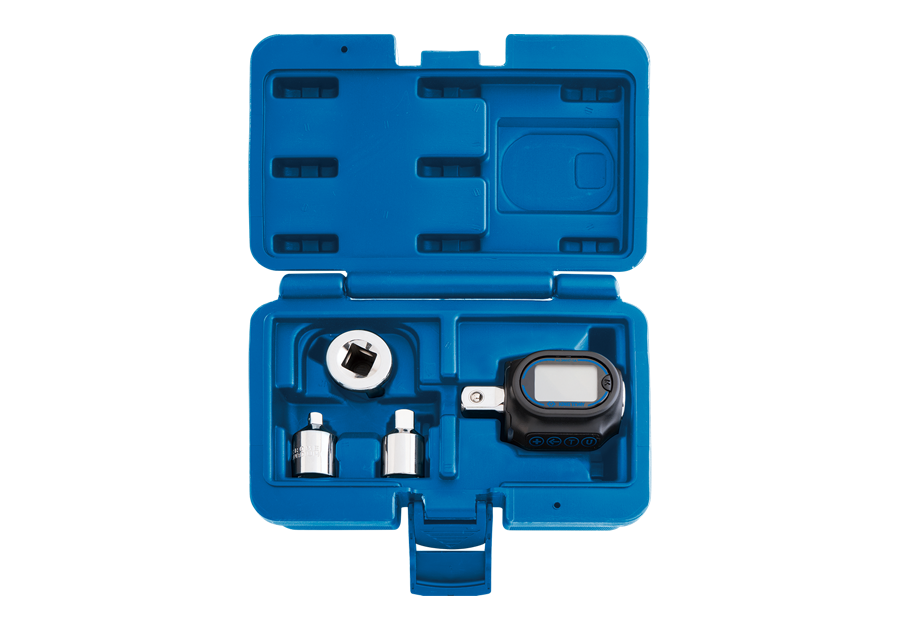
Digital Angle Adapter
34417-1A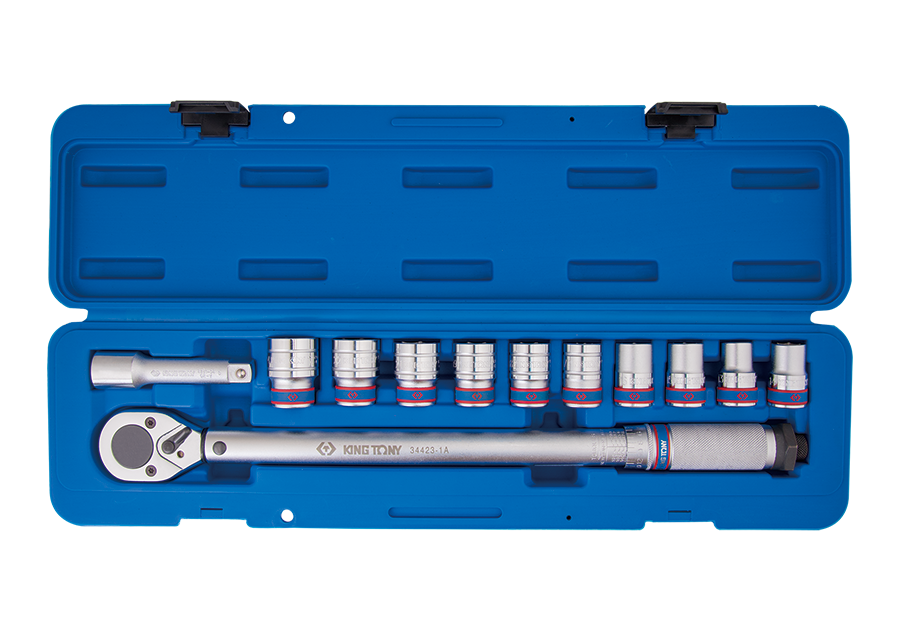
12 PC. Adjustable Torque Wrench Set
344251A12MR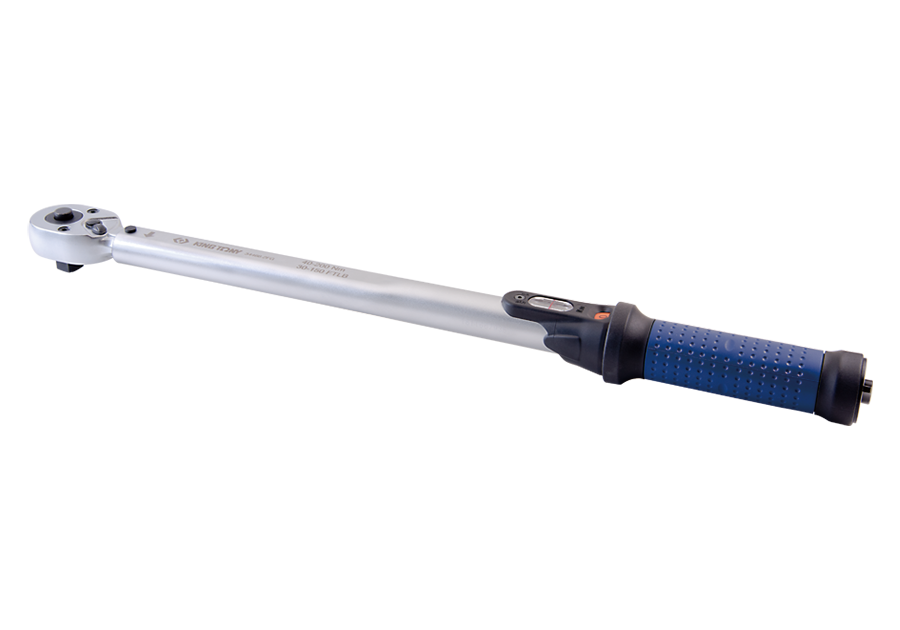
Window Type Adjustable Torque Wrench (Newton Meter & English)
34466-FG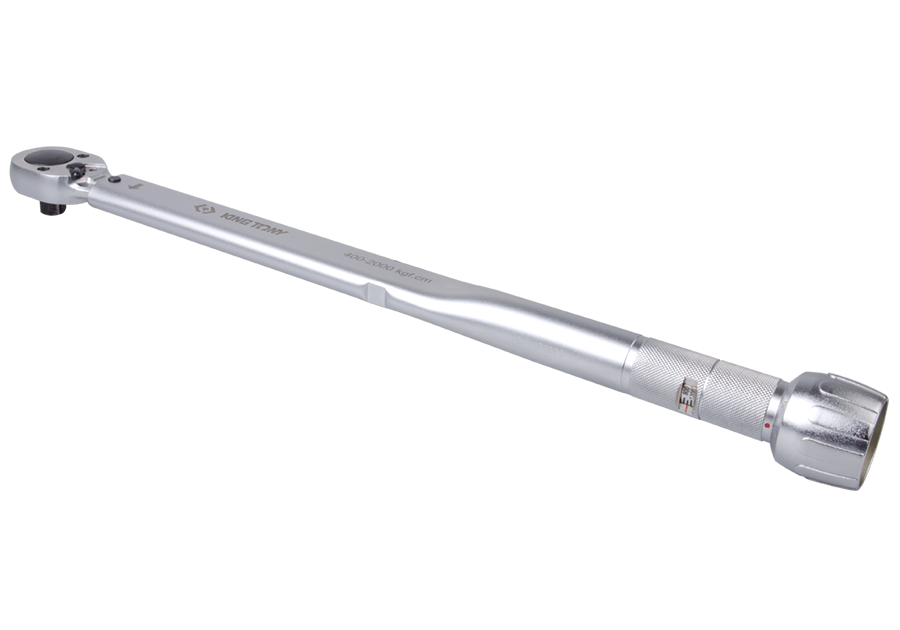
Click Type Adjustable Torque Wrench (Kilogram)
3442F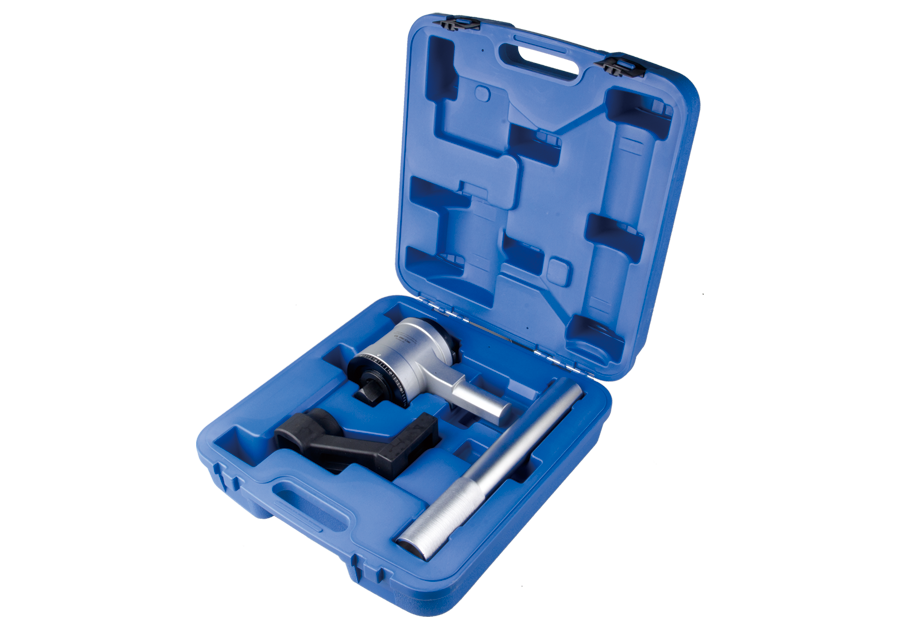
Torque Multiplier(1/2"F x 1"M)
34488-26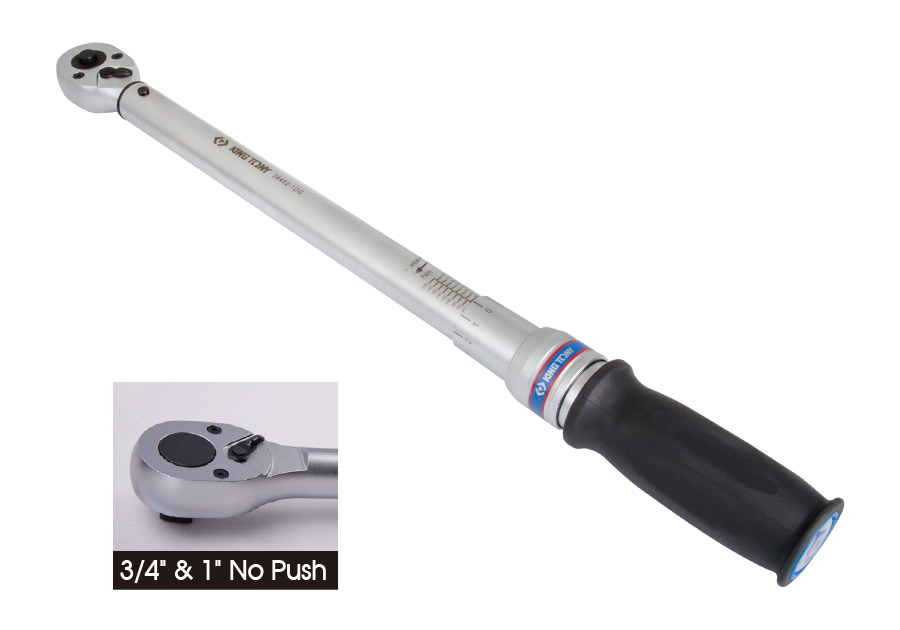
Heavy Duty Adjustable Torque Wrench (Newton Meter)
34462-DG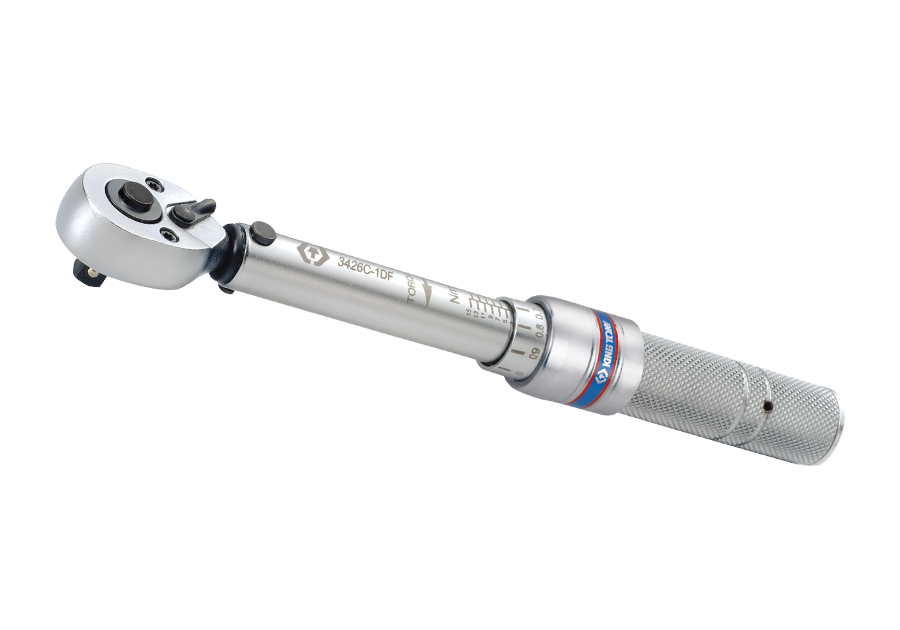
Mini-type Heavy Duty Torque Wrench (Newton Meter)
3426C-DF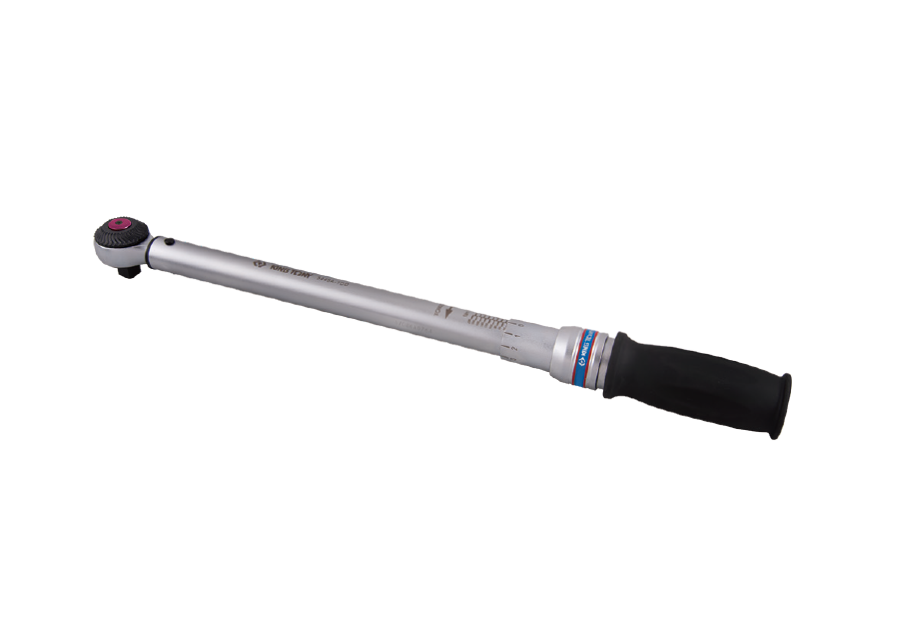
72PT Heavy Duty Adjustable Torque Wrench (Newton Meter)
3446A-DG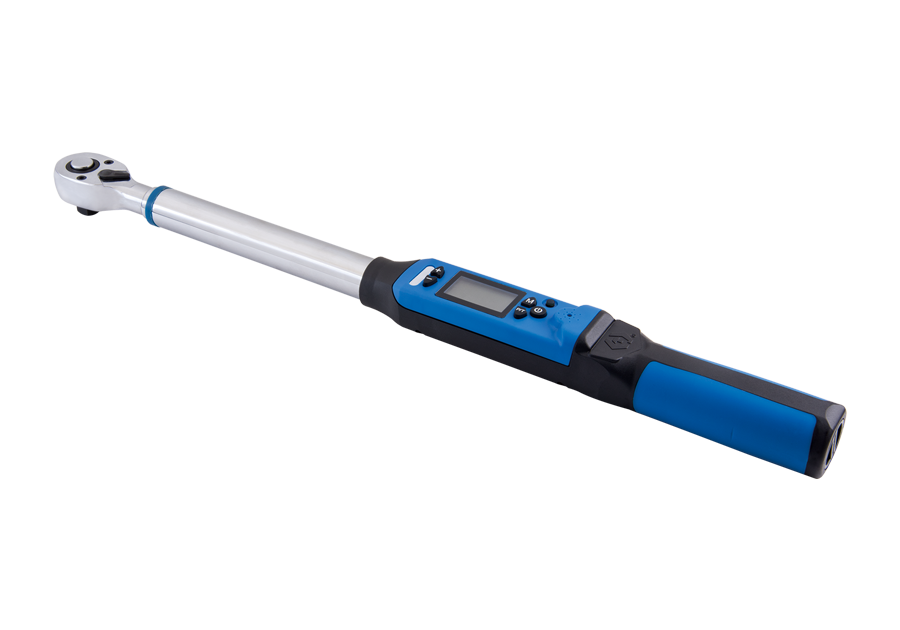
Electronic Torque Wrench
34467-AG