Tools Introduction Class
Tools Feature & Advantage Introduction Class
Tools Operation and Application Class
Tools Maintanence and Repair Class
Tools Quality Checking and Certified Class
Tools Torque Introduction
Marketing Service Area
Member post
What Are VDE Tools? From Safety Risks to Proper Use at a Glance
Popularity : 754Why Do Electrical Works Require VDE Insulated Tools?
In daily life and professional maintenance, many tasks involve potential contact with electrical equipment, such as replacing sockets, installing light fixtures, servicing distribution boxes, checking extension cords, maintaining industrial equipment, or working on electric vehicles (EVs) and new energy systems. While these operations seem common, risks can still arise from accidental power restoration, residual voltage, aging wiring, or damp environments. When using standard metal tools, if the tool contacts a live part, the current can conduct through the tool to the human body. The purpose of VDE insulated tools is to mitigate the risk of electric shocks and short circuits in these high-risk environments, enhancing the safety of maintenance operations.
Can you work directly on live wires with VDE tools? The 5 safety steps for VDE tool operation
Absolutely not! Please remember: VDE tools are "never" a free pass to work directly on live systems. Their core purpose is to protect against sudden risks from accidental power restoration or residual voltage under correct safety procedures where power disconnection has already been executed. They provide extra protection and can absolutely never replace power disconnection, voltage testing, and personal protective equipment (PPE). For every operation, you must strictly follow these 5 safety steps: 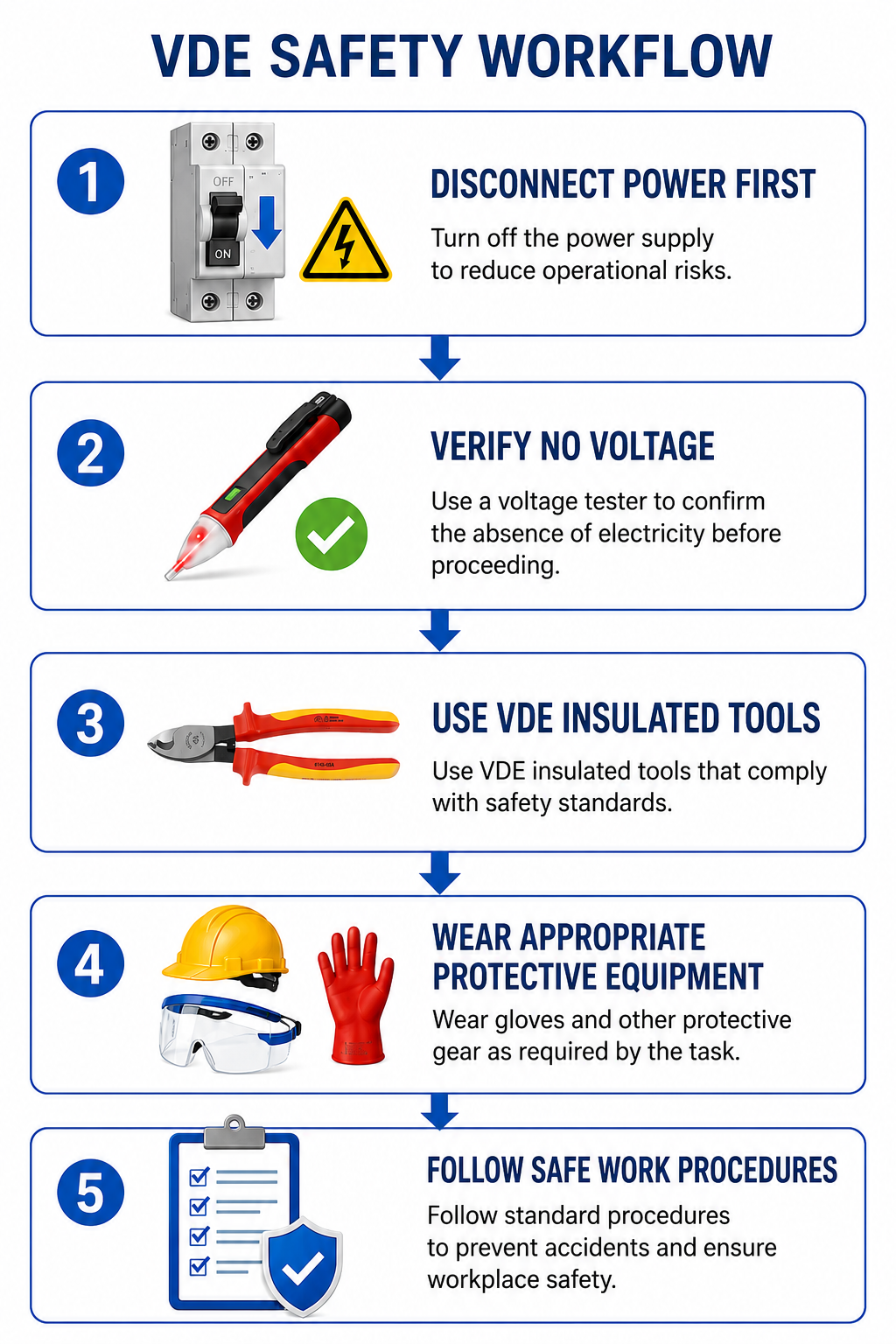
VDE Safety Concept Flowchart
What are VDE Insulated Tools?
As we learned from the "5 Safety Steps for VDE Tool Operation," the third step requires choosing insulated tools that meet safety standards —— so, what exactly are real VDE tools? How are they fundamentally different from the standard rubber-coated tools commonly found on the market? VDE is one of the key German electrical engineering certification marks and a globally recognized standard in electrical safety. VDE-certified insulated tools are typically marked with 1000V, indicating that the tool is rated for electrical environments up to 1,000V AC. Rather than simply wrapping a rubber grip around the handle, these tools must comply with safety regulations across materials, structure, insulation layers, and testing standards. VDE insulated tools are commonly available in product categories such as screwdrivers, pliers, wrenches, and sockets, allowing users to choose the right tool based on different electrical application needs. Common VDE tools include:
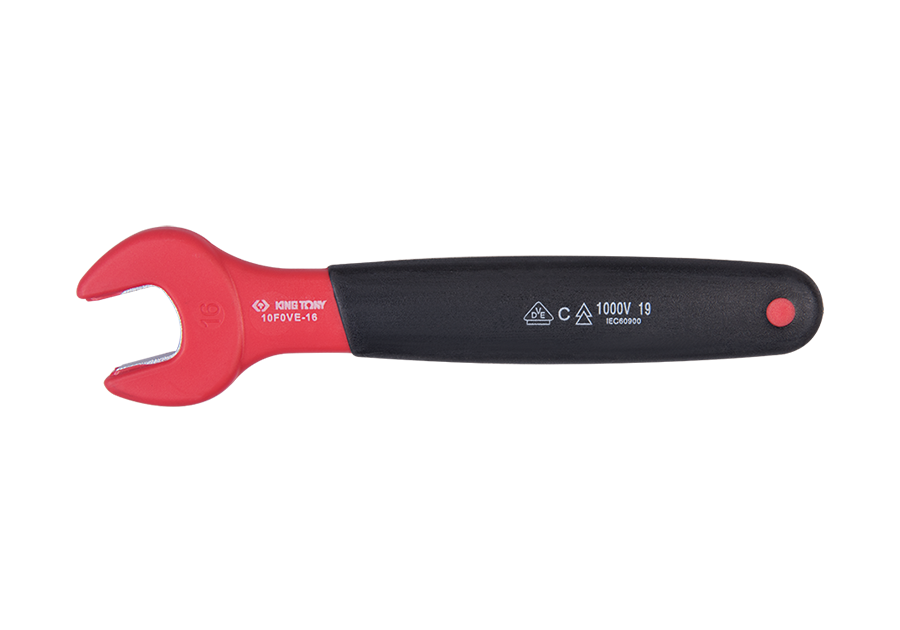
Wrenches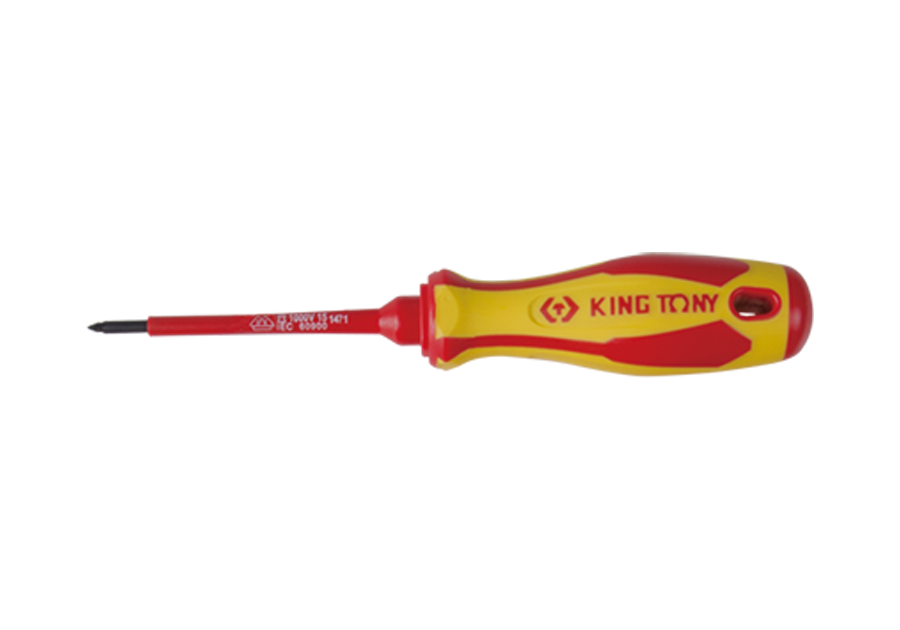
Screwdrivers
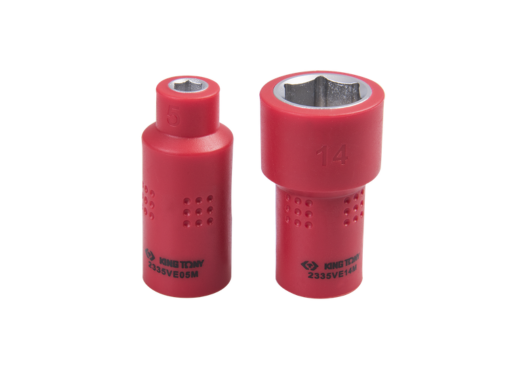
Sockets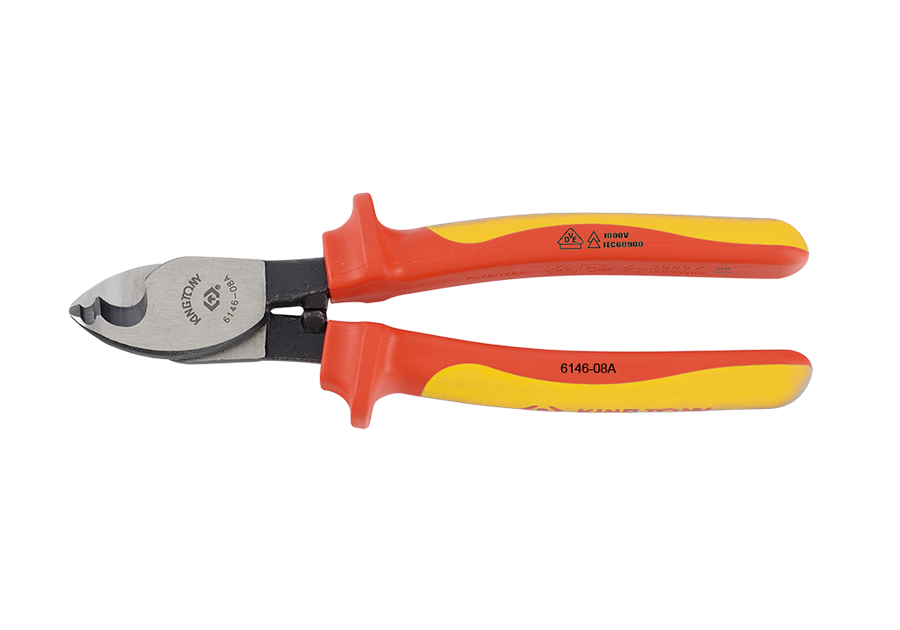
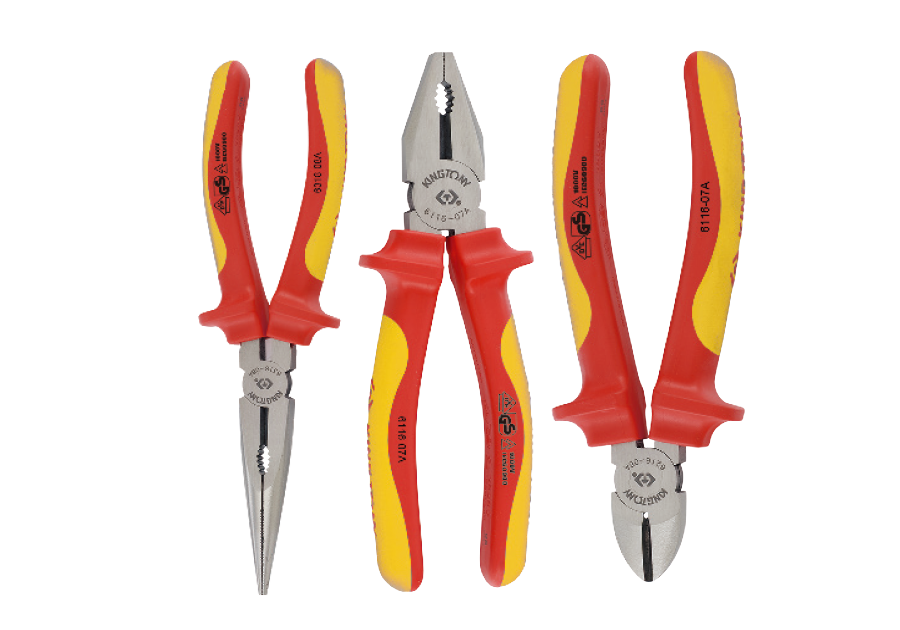
Pliers
What is the Difference Between VDE Tools and Standard Tools? Analysis of Double-Layer Insulation and Red/Yellow Handle Design
Many people assume that any "rubber-coated handle" qualifies as an insulated tool, but this is a common misconception. Authentic VDE tools generally feature a double-layer insulation design: a red protective layer on the outside and a yellow insulation layer on the inside. If the outer red coating wears out or cracks, exposing the inner yellow layer, it indicates that the insulation protection of the tool has been compromised, and it must be taken out of service and replaced immediately. This red and yellow dual-color design allows users to visually inspect and evaluate the tool status at a glance, preventing hazardous situations before they occur.
| Comparison Item | Standard Tools | VDE Insulated Tools |
|---|---|---|
| Appearance | Bare metal or single-layer coating | Insulated material and safety structural design |
| Voltage Rating Marking | No explicit marking | 1000V marking |
| Testing Standards | No IEC 60900 compliance testing | Complies with IEC 60900 |
| Testing Method | Usually no piece-by-piece high-voltage testing | Every single tool tested individually |
| Applicable Scenarios | General mechanical maintenance | Electrical equipment and high-risk electrical environments |
How to Identify Authentic VDE Tools? Understanding the Safety Markings on the Tool Body
Before purchasing or using VDE insulated tools, it is crucial not only to check for the distinctive red and yellow color scheme but also to confirm that the tool body features clear safety markings. Key identification points typically include: the VDE certification mark, the double triangle symbol, the 1000V voltage rating marking, and the IEC 60900 standard marking. This information helps users determine whether the tool complies with the insulation safety requirements necessary for electrical operations. Prior to use, always inspect the condition of the grip and insulation layers. If any damage, cracks, or heavy wear appears on the tool surface, or if the outer red layer is broken to expose the inner layer, the tool must be taken out of service and replaced immediately.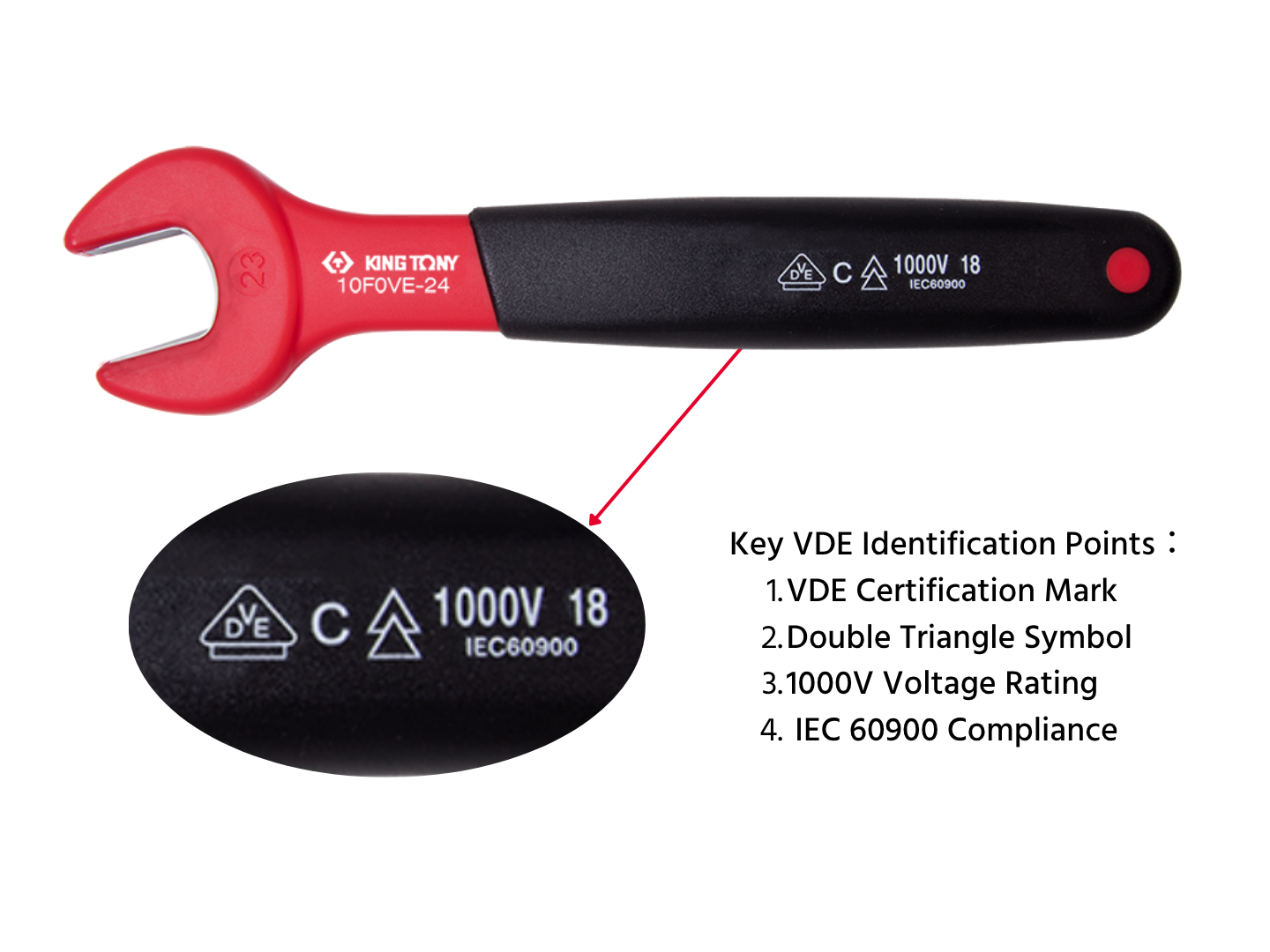
Which Applications Require VDE Tools?
Whenever the operating environment poses a potential risk of contact with electrical equipment, residual voltage, or accidental power restoration, the use of certified VDE insulated tools is highly recommended.
| Target Users | Typical Application Scenarios |
|---|---|
| Electricians | Maintenance of distribution boxes, sockets, switches, and wiring |
| Factory Electrical Maintenance Personnel | Industrial control panels, motor junction boxes, and automation equipment |
| Electromechanical / Equipment Maintenance Technicians | Equipment inspection, control box servicing, motor and electronic control system maintenance |
| EV (Electric Vehicle) Technicians | High-voltage battery systems (several hundred volts or higher) and hybrid vehicle maintenance |
| New Energy Maintenance Technicians | Outdoor high-voltage installations such as solar power and wind energy systems |
| Advanced DIY Users | Self-handling of sockets, water heaters, meter boxes, and lighting fixtures |
Conclusion: Safe Operation Starts with Choosing the Right VDE Insulated Tools
As electric vehicles, smart devices, industrial automation, and new energy systems become increasingly pervasive, electrical operating environments are becoming more common than ever. For general users, VDE tools significantly elevate the safety of routine electrical tasks; for professional technicians and factory maintenance personnel, they are crucial gear that aligns with safety regulations and occupational protection compliance. When facing electrical works, what truly matters is not just "whether it can be fixed," but whether every single task can be completed safely. KING TONY VDE insulated tools provide an extra line of defense for every electrical operation, making professional work safer and smoother.
Recommended Products
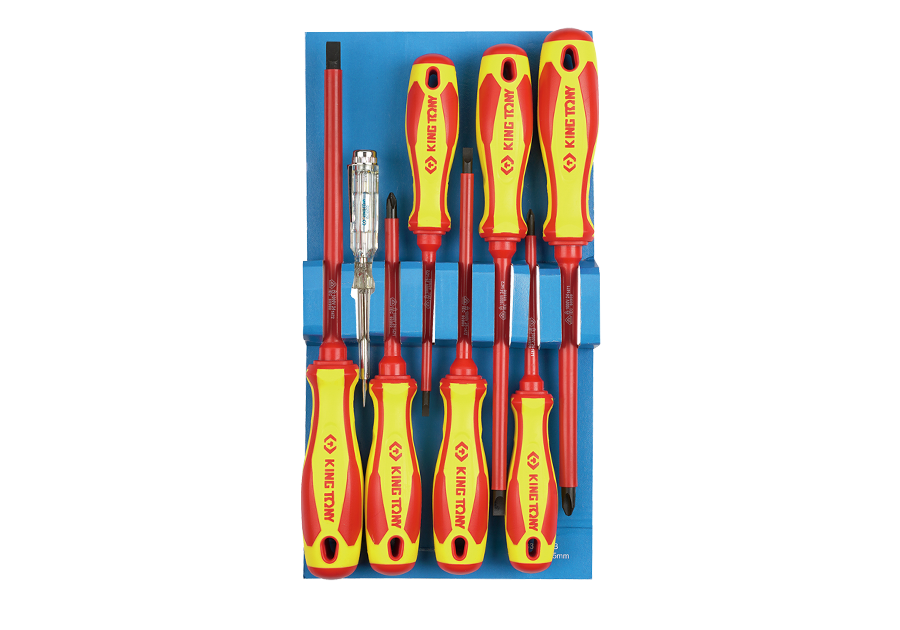
Insulated Screwdriver Set
30618MR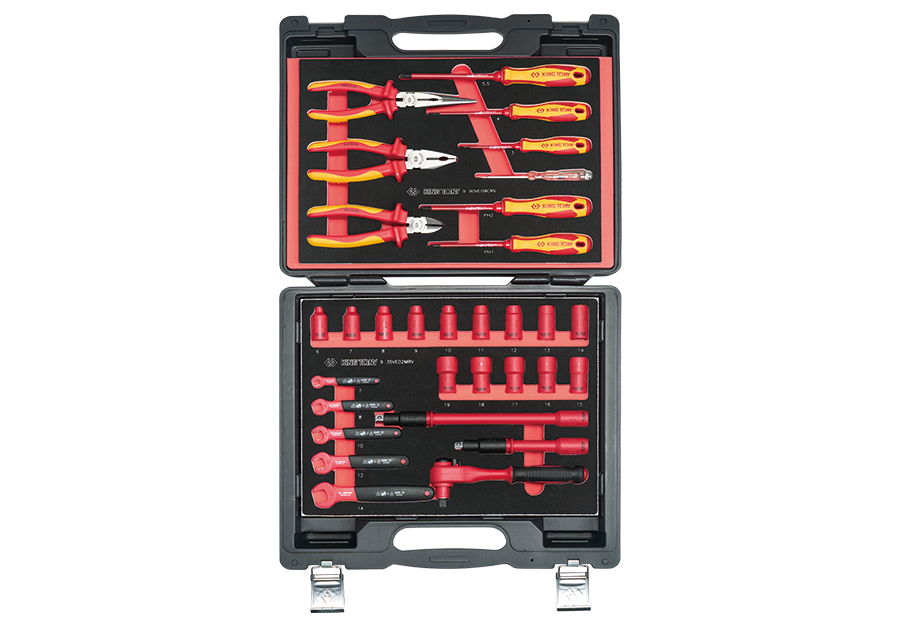
31 PC. 3/8" DR. VDE Insulated Tool Set
30VE31MPV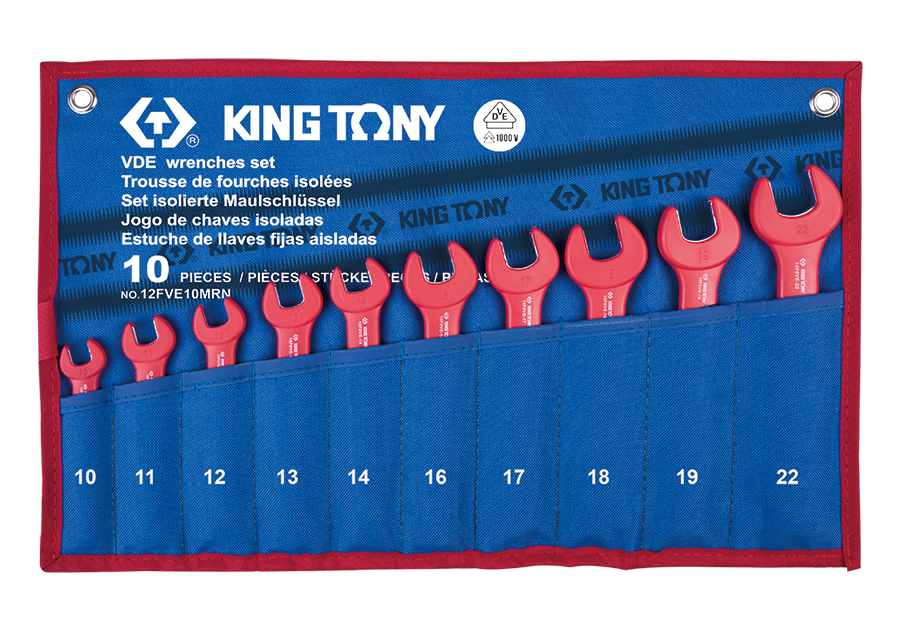
10 PC. VDE Insulated Open End Wrench Set
12FVE10MRN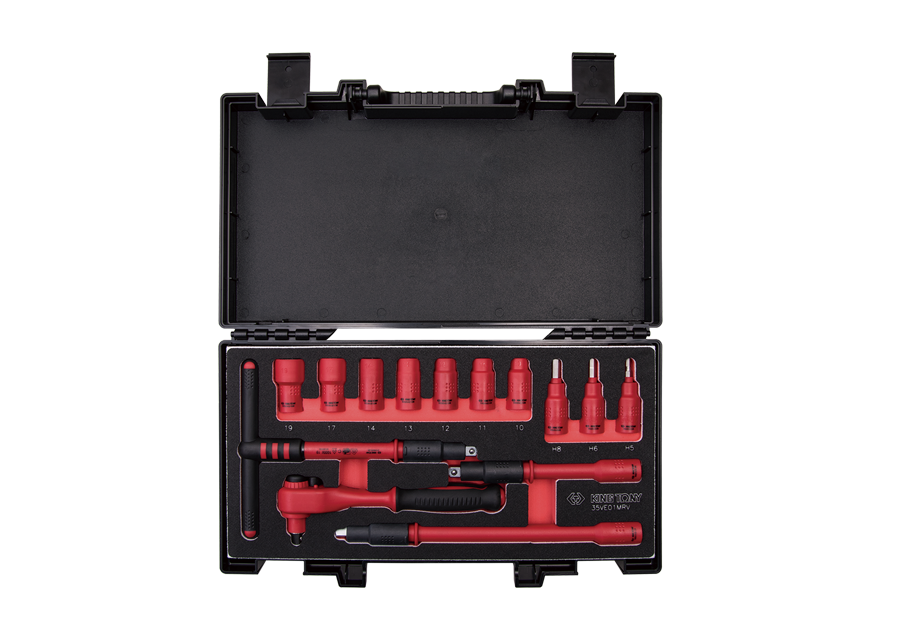
14 PC. 3/8" DR. VDE Insulated Tool Set
35VE01MRV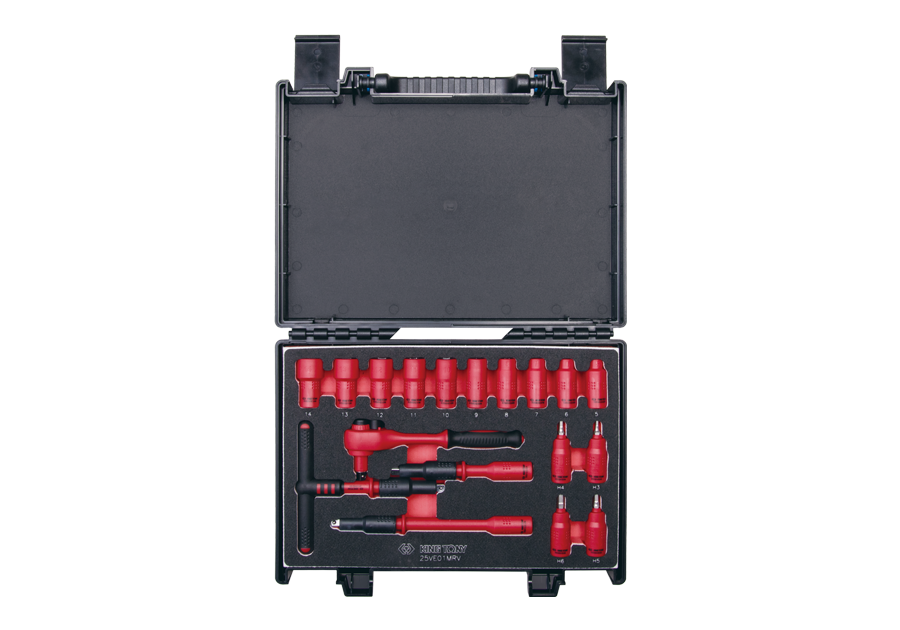
18 PC. 1/4" DR. VDE Insulated Tool Set
25VE01MRV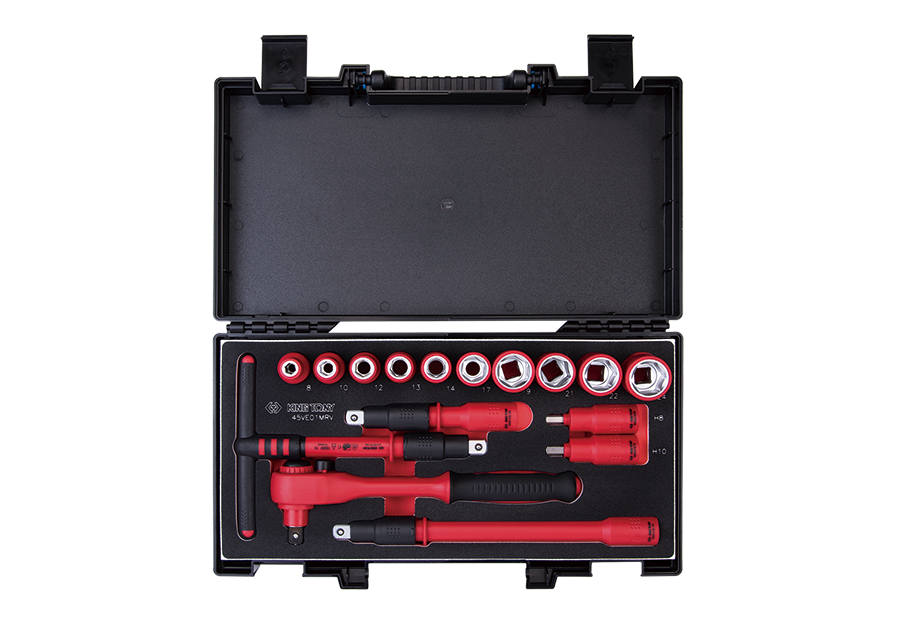
16 PC. 1/2" DR. VDE Insulated 6 Point Metric Standard Socket Set
45VE01MRV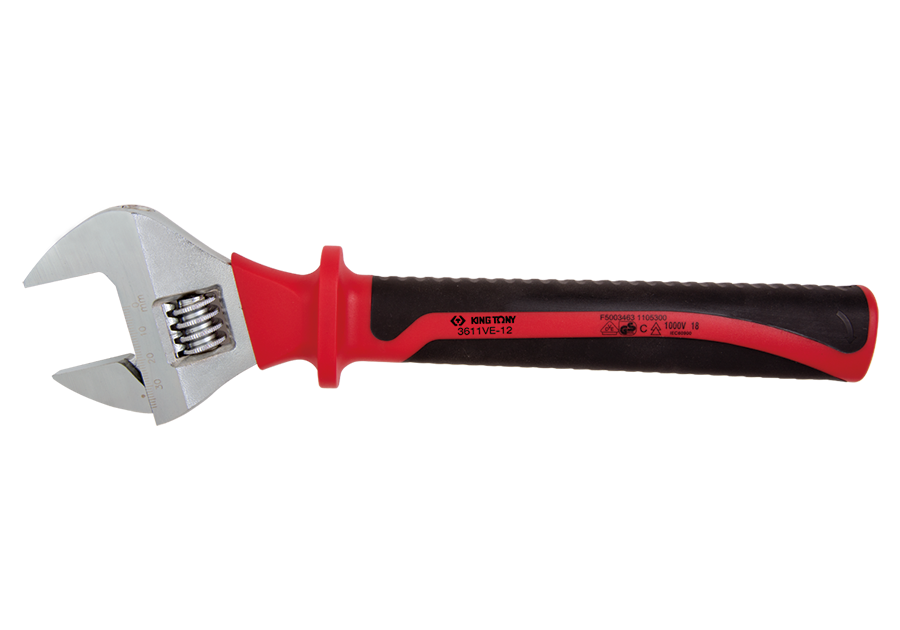
VDE Insulated Adjustable Wrench
3611VE