Tools Introduction Class
Tools Feature & Advantage Introduction Class
Tools Operation and Application Class
Tools Maintanence and Repair Class
Tools Quality Checking and Certified Class
Tools Torque Introduction
Marketing Service Area
Member post
What Is a Torque Multiplier? Working Principle, Usage, and Safety Precautions — Featuring the 34688
Popularity : 87225When working with large bolts, industrial equipment, or outdoor construction, some fastening tasks require torque that exceeds what a standard hand wrench can easily achieve. Simply lengthening the wrench or adding an extension bar not only requires more working space, but can also increase the risk of tool slippage and loss of control.
A torque multiplier is a manual tool that amplifies input torque through an internal gear set. The user applies a relatively small amount of force at the input end, and after amplification, a much greater torque is delivered at the output end — making it well suited to high-torque jobs, confined spaces, or job sites without access to electricity or compressed air.
This article uses the KING TONY 34688 Torque Multiplier as an example to explain what torque multipliers are used for, their basic structure, how to operate them, and key safety precautions.
What Does a Torque Multiplier Do?
A torque multiplier is mainly used for high-torque jobs that ordinary hand tools struggle to reach. Compared with using an extension bar directly, it can amplify input torque by a fixed ratio in a more confined space, reducing the effort required from the user.
|
|
Torque Multiplication Ratio | Maximum Output Torque |
|---|---|---|
| 1:5 | 2700 Nm / 2000 Ft.lb | |
| Input Drive Size | Output Drive Size | |
| 3/4" | 1" |
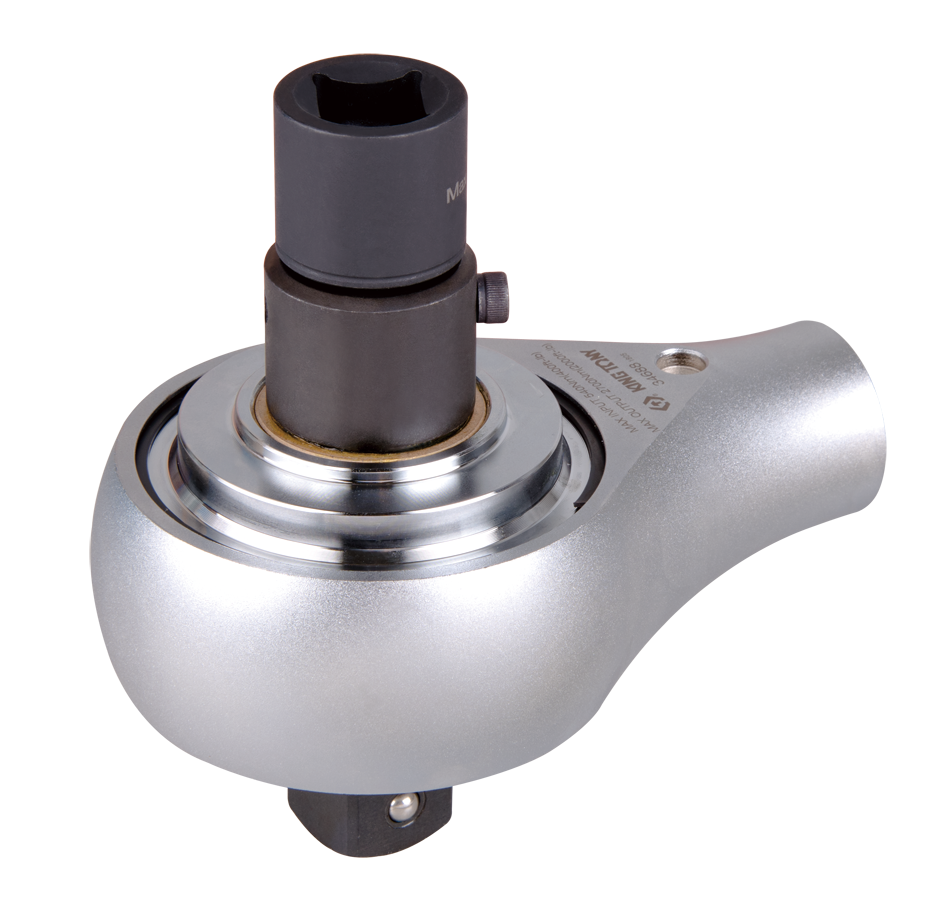
The 34688 amplifies input torque at a 5:1 ratio, making it well suited to jobs that require high torque but don′t have enough clearance for a long wrench or an extension bar.
Note: The 5:1 ratio is specific to the 34688. Not every torque multiplier uses the same ratio — the ratio, maximum output, and input specifications can vary by model, so always check the product data before use.
Parts of a Torque Multiplier
3/4" Input Drive
Fixing Screw Hole / Screw
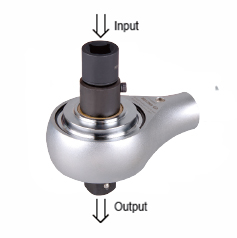
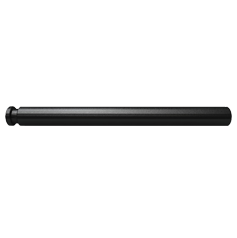
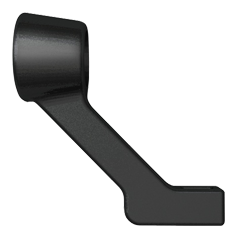
1" Output Drive
Straight Reaction Arm
L-Shaped Reaction Arm
When Should You Use a Torque Multiplier?
A torque multiplier doesn′t require electricity or compressed air, so it′s well suited to the following working conditions:
-
Outdoor construction with no power or compressed-air supply
Such as rail-track laying, tower assembly, or other large-scale outdoor construction sites. -
Confined working spaces
When a long wrench or extension bar can′t be used on site, a torque multiplier can amplify torque instead. -
Sites where impact tools aren′t suitable
If the job site doesn′t allow impact or striking methods, a manual torque multiplier offers an alternative way to achieve high torque.
What Does the Reaction Arm Do, and How Is It Installed?
As a torque multiplier amplifies torque, the tool body also experiences an equal and opposite reaction moment. The reaction arm must be braced firmly against a support point for torque to be transferred effectively to the bolt or nut. If it isn′t properly braced, the multiplier itself may spin along with the input tool — spinning freely without doing work, and increasing operating risk.
1. Choose and Install a Reaction Arm
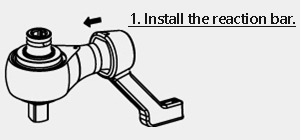
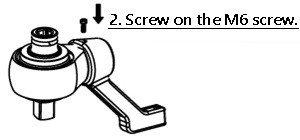
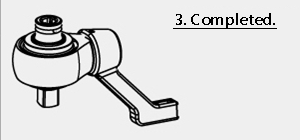
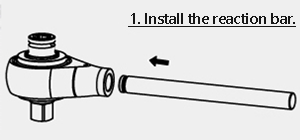
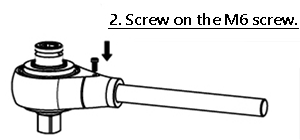
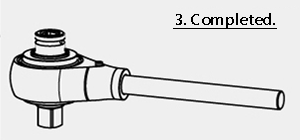
The 34688 comes with both L-shaped and straight reaction arms, so you can choose the one that fits your working space and support point. To install, fit the reaction arm onto the multiplier body, then tighten the M6 fixing screw.
|
L-Shaped Reaction Arm |
 |
 |
 |
|
Straight Reaction Arm |
 |
 |
 |
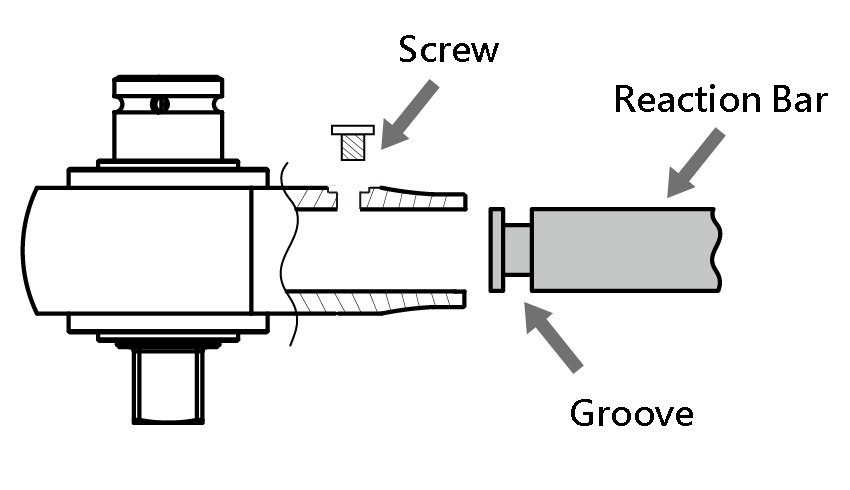
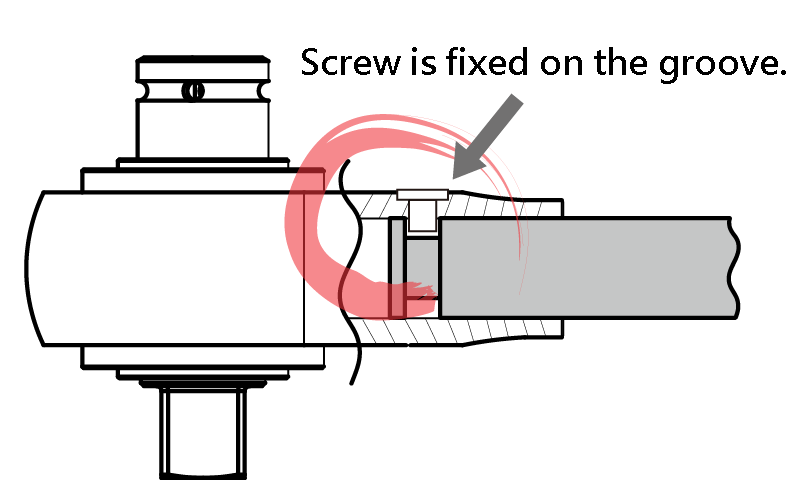
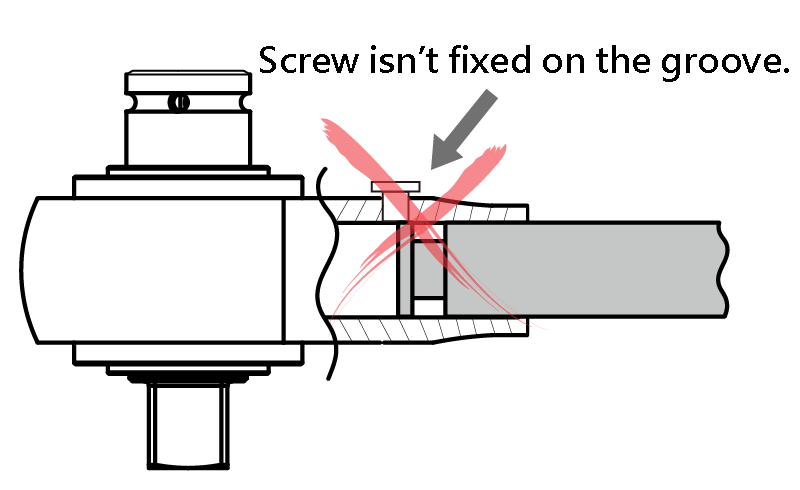
2. Check the Screw Fixing Position
The fixing screw must be seated firmly in the reaction arm′s groove or screw hole to prevent it from sliding or working loose during operation.
3. Position the Tool Before Applying Force
Once installed, make sure the reaction arm is braced firmly against a solid, non-slip support point with a flat, wide-enough contact surface. The reaction force direction and the arm should be as close to a right angle as possible before you begin applying force.
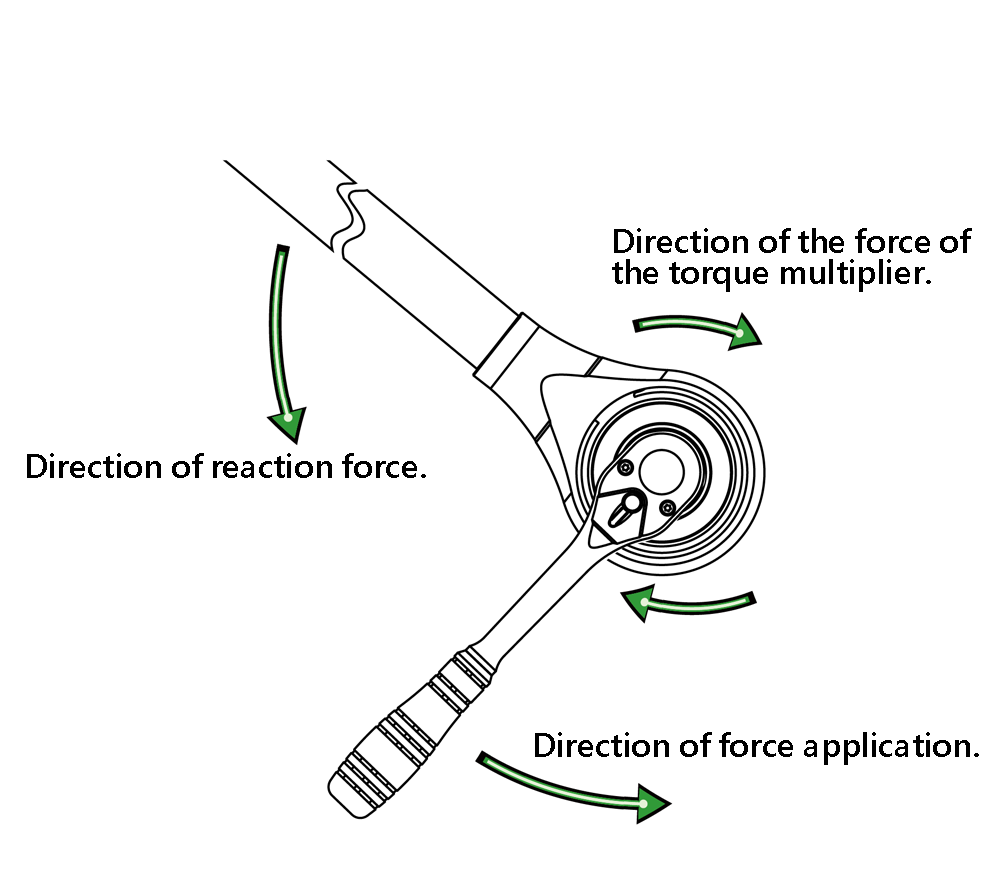
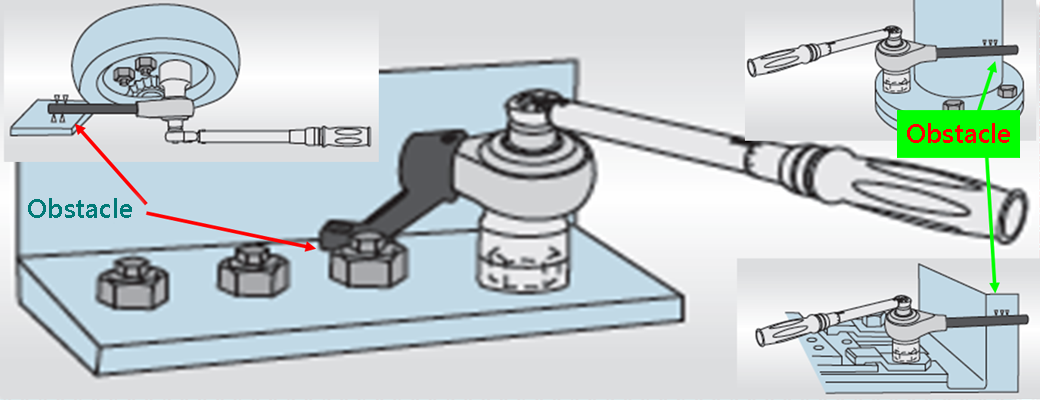
If the reaction arm is not braced firmly against a support point, the multiplier may spin freely and fail to tighten or loosen the workpiece properly.
What Tools Do You Need Before Using a Torque Multiplier?
1. Input-End Tools
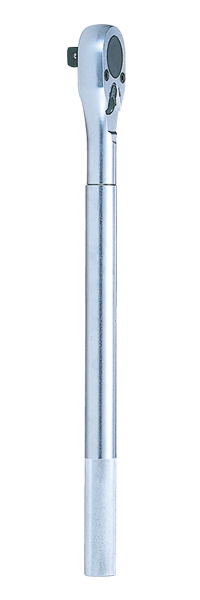
The 34688′s input drive is 3/4", and should be paired with a manual tool that matches the input size and load capacity, such as:
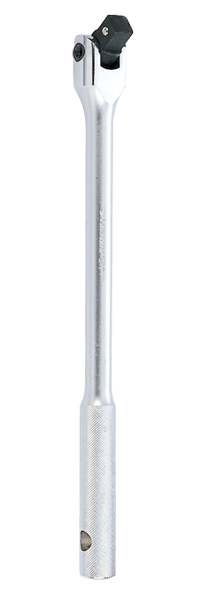
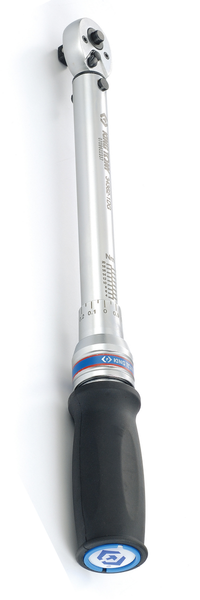
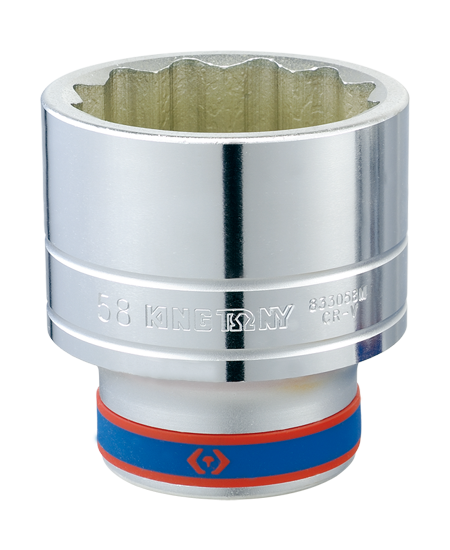
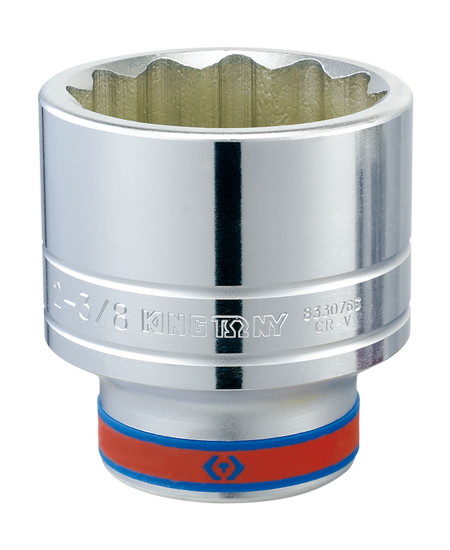
Basic Steps for Using a Torque Multiplier
Step 1: Check the Bolt and Socket Size
First, check the size of the bolt or nut you need to tighten or remove, and select a matching 1" manual socket.
Step 2: Assemble the Socket, Multiplier, and Input Tool
Fit the socket onto the multiplier′s output drive, then attach a suitable manual input tool to the 3/4" input drive. Once assembled, try to keep the input tool′s drive head, the multiplier body, the socket, and the bolt or nut aligned on the same axis.
| Assembly Direction | Assembly Complete |
|---|---|
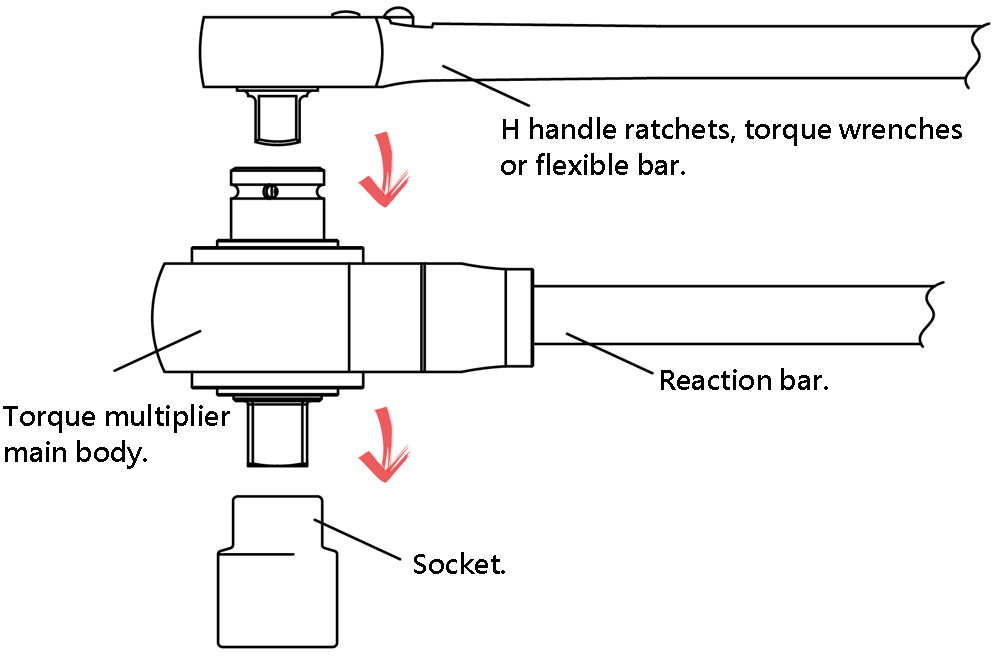 |
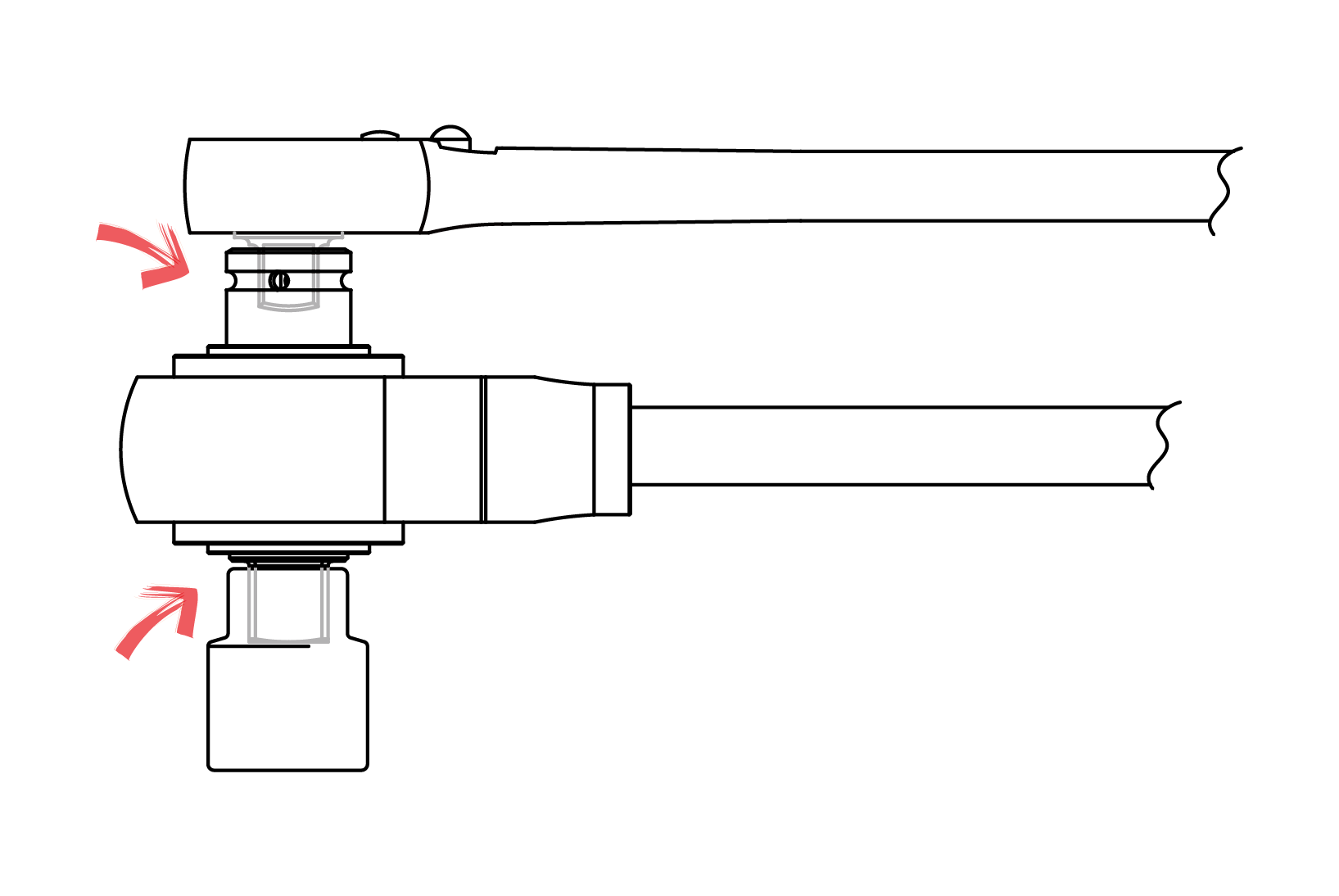 |
Step 3: Install and Position the Reaction Arm
Choose the reaction arm that best fits the job site, secure it firmly, and rest it against a solid, stable, non-slip support point.
Step 4: Confirm the Direction of Rotation
In general, clockwise rotation tightens the workpiece and counterclockwise rotation loosens or removes it. Always confirm the correct direction based on the thread direction and the job requirements before operating.
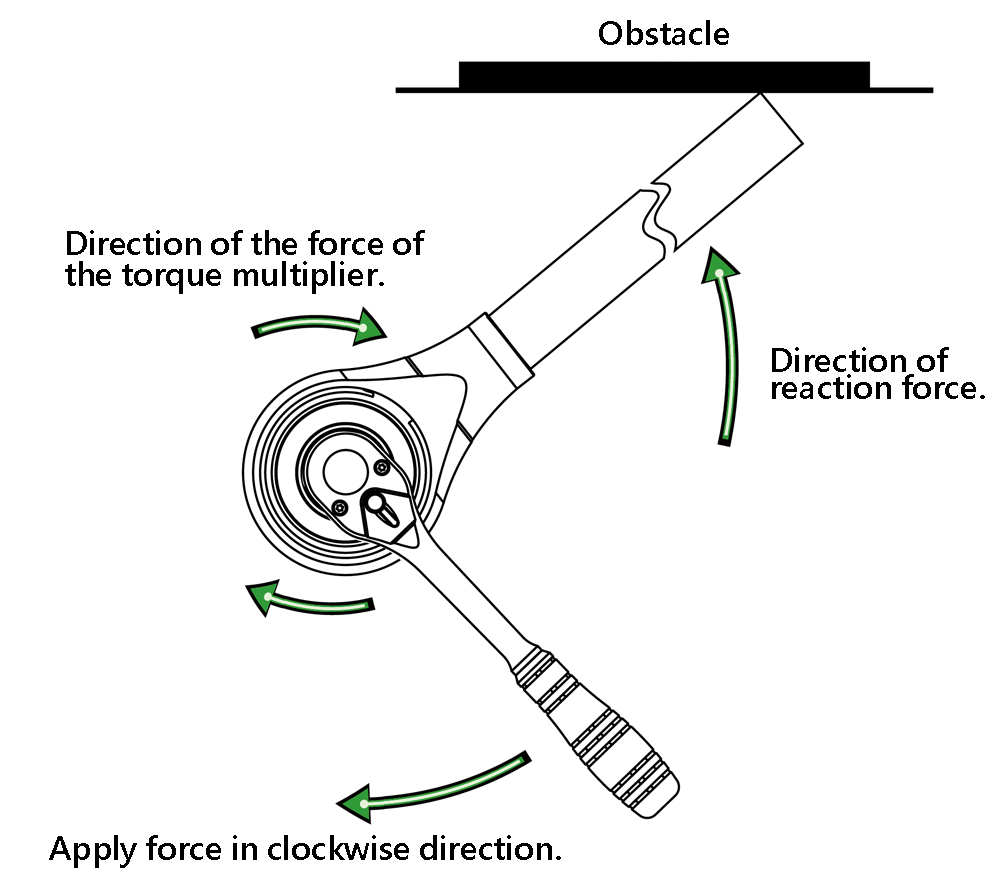
Turn clockwise to tighten the workpiece
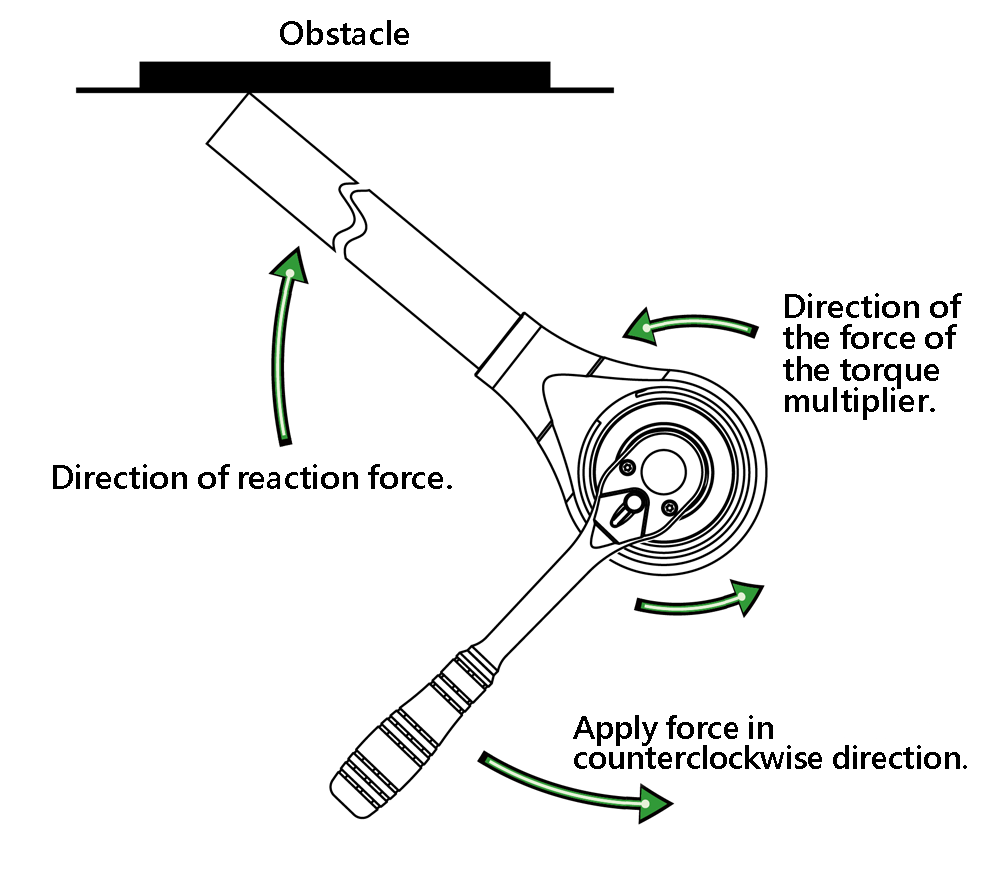
Turn counterclockwise to loosen or remove the workpiece
Step 5: Apply Force Smoothly
Once every component is correctly installed, apply force slowly and steadily with the manual input tool. Never apply force with a sudden jerk, and never drive the multiplier with a power or pneumatic tool.
8 Safety Precautions for Using a Torque Multiplier
-
Never exceed the tool′s rated maximum torque
Before use, check the specifications of the input tool, the multiplier, and the socket to avoid overloading. The 34688′s maximum output torque is 2700 Nm. -
Keep the tools and the workpiece aligned on the same axis as much as possible
If the input tool, multiplier, socket, and workpiece are noticeably misaligned, this can cause uneven loading, tool slippage, or drive damage. -
The reaction arm should have a large enough contact area
Avoid letting only the tip or edge of the arm touch the support point. A larger, flatter contact surface reduces the risk of slipping and uneven loading. -
The reaction force direction should be as close to a right angle to the arm as possible
A proper force angle helps the reaction arm bear the opposing moment stably. -
The reaction point should be in a safe area
The support point should be safe, solid, and non-slip. Avoid placing the reaction arm near an edge or a weak point that isn′t suited to bearing load. -
Remove the input tool before removing the multiplier
After finishing the job, remove the wrench or other input tool first, then remove the multiplier. Never strike the multiplier with a hammer or other tool to remove it. -
Never drive it with a power or pneumatic tool
The 34688 is a manual torque multiplier and must not be driven by a power tool or pneumatic tool. -
Use a safety lanyard when working at height
If working at height, attach a safety lanyard to the multiplier and related tools to prevent them from falling. -
Control the input torque during removal work
When using the multiplier to remove a fastener, pair it with a torque wrench to avoid damaging the tool from excessive input torque. For example, on the 34688, a maximum input torque of 540 Nm produces a maximum output torque of 2700 Nm. If the torque wrench reaches its set value and clicks but the bolt still hasn′t loosened, stop immediately and switch to a tool suited to a higher torque requirement.
How Should a Torque Multiplier Be Maintained?
-
Regularly check the multiplier body, input drive, output drive, and fixing screws for wear, deformation, or looseness.
-
Keep the reaction arms in good condition — never use a reaction arm that is bent, cracked, or otherwise clearly damaged.
-
Replace the multiplier′s internal lubricant periodically. The actual maintenance method and interval should follow the frequency of use, working environment, and the product′s service guidelines.
-
If the multiplier makes unusual noises, binds, feels rough in operation, or the drive becomes loose, stop using it and have it inspected by a qualified service provider.
Torque Multiplier FAQ
Q1: Can a torque wrench be used together with a torque multiplier?
Yes, but the final accuracy is affected by the combined tolerances of both the torque wrench and the multiplier. Based on the figures in this article, ±4% and ±5% could add up to roughly ±9% in a worst-case scenario.
Q2: Can a torque multiplier be used directly as a torque wrench?
Not recommended. A torque multiplier is designed to amplify torque and cannot replace a torque wrench with a setting or reading function.
Q3: Why does the 34688 use a 3/4" input drive?
Because the 34688′s maximum output is 2700 Nm, at a 5:1 ratio the input end needs to withstand roughly 540 Nm — so it should be paired with a manual tool that meets the 3/4" specification and load capacity.
Conclusion: Use a Torque Multiplier Correctly for Safe High-Torque Work
A torque multiplier helps users complete high-torque jobs in confined spaces or environments without electricity or compressed air. Before operating one, always check the specifications of the input tool, socket, and multiplier, and install the reaction arm correctly.
Take the 34688 as an example: its 5:1 ratio delivers up to 2700 Nm of output torque. In practice, besides watching the maximum torque, you should also confirm the input end′s load capacity, the support point′s position, and the overall accuracy of the full tool set, so that force is transferred to the workpiece safely and reliably.
If you have thoughts on this article, or would like to see other tool topics covered, feel free to leave a comment below our social media post.
Recommended Products
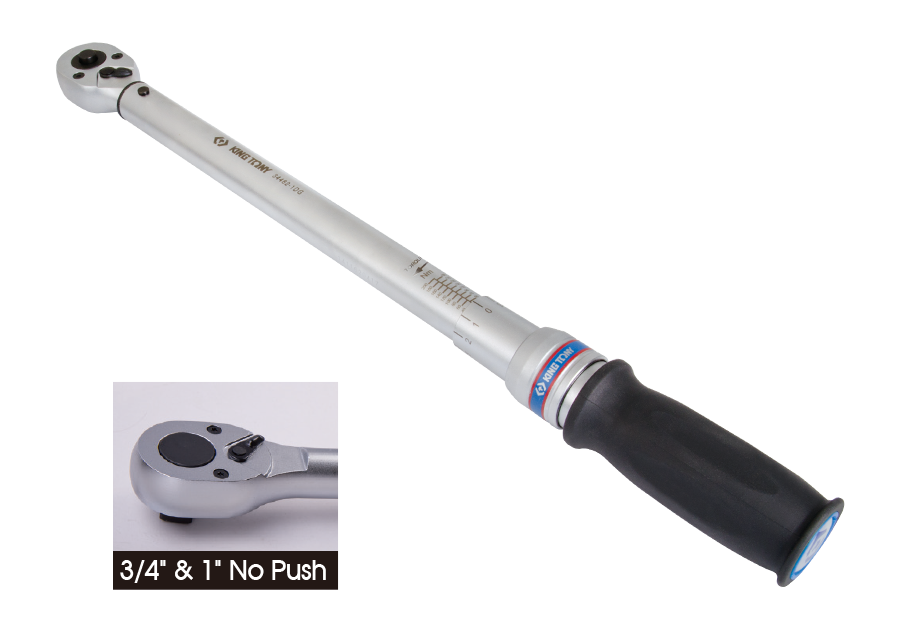
Heavy Duty Adjustable Torque Wrench (Kilogram-force Centimeter & Newton Meter)
34462-GG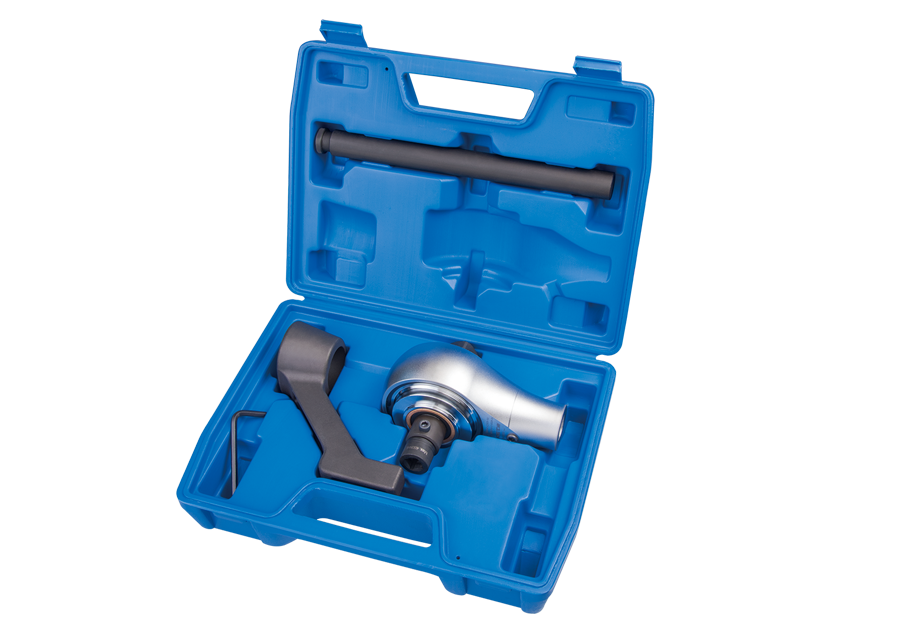
Torque Multiplier(3/4"F x 1"M)
34688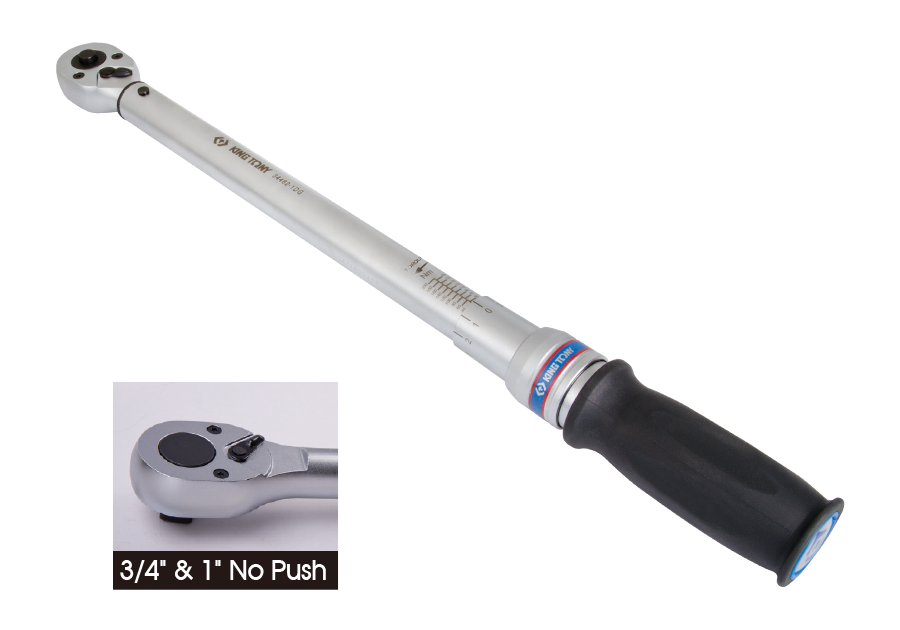
Heavy Duty Adjustable Torque Wrench (English & Newton Meter)
34462-CG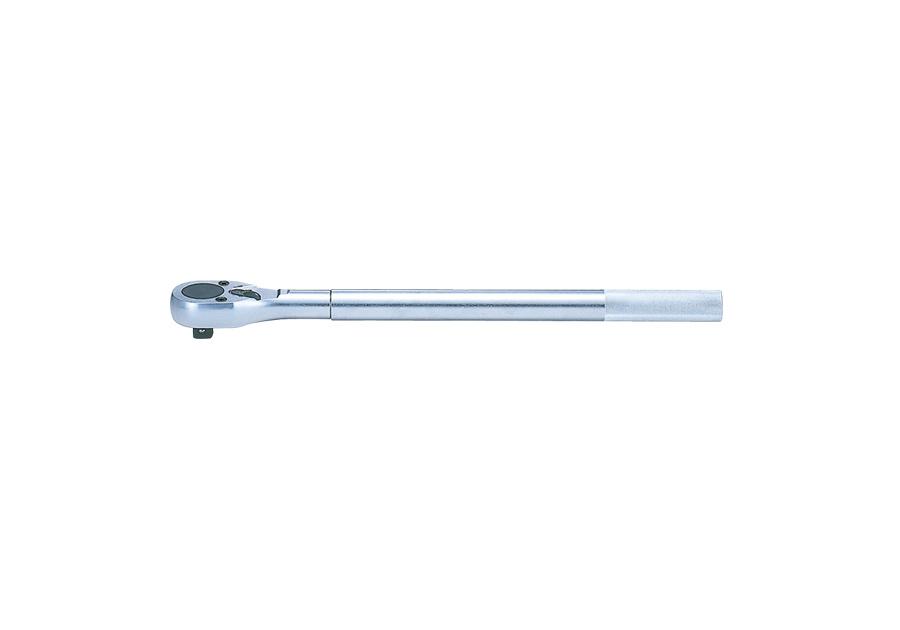
3/4" DR. 24 Teeth Reversible Ratchet
6779F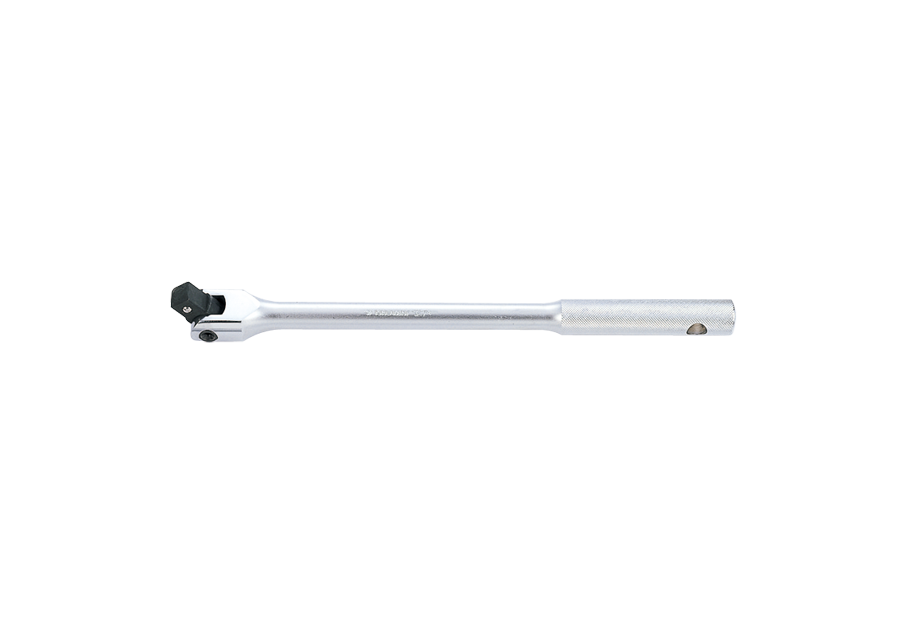
3/4" DR. Flexible Handle
6452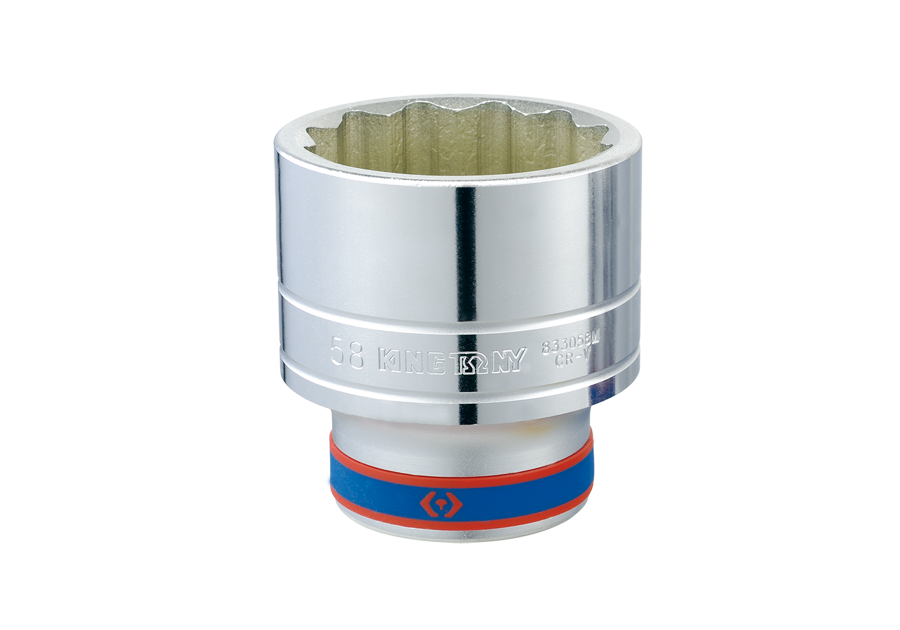
1" DR. 12 Point Metric Standard Socket
8330M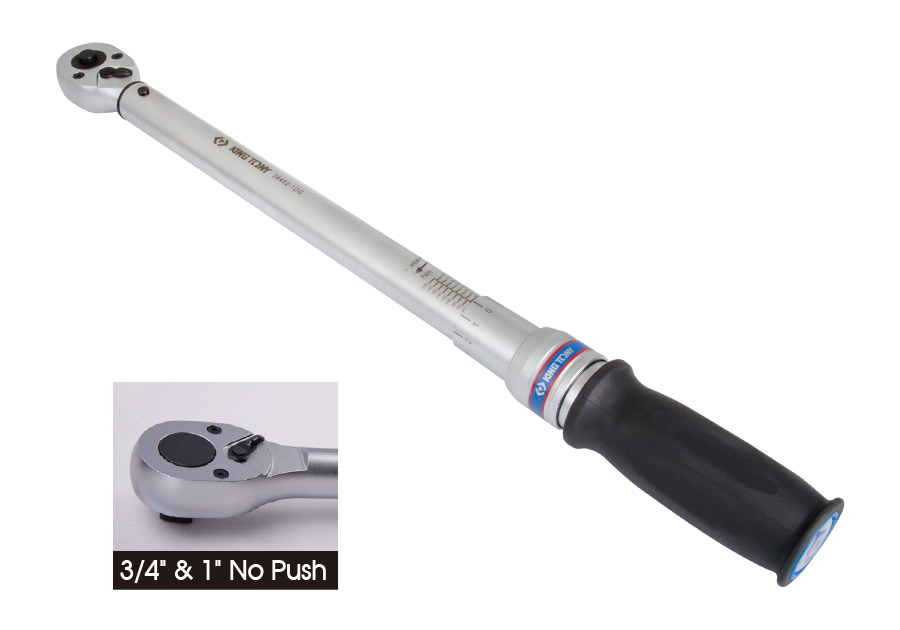
Heavy Duty Adjustable Torque Wrench (Newton Meter)
34462-DG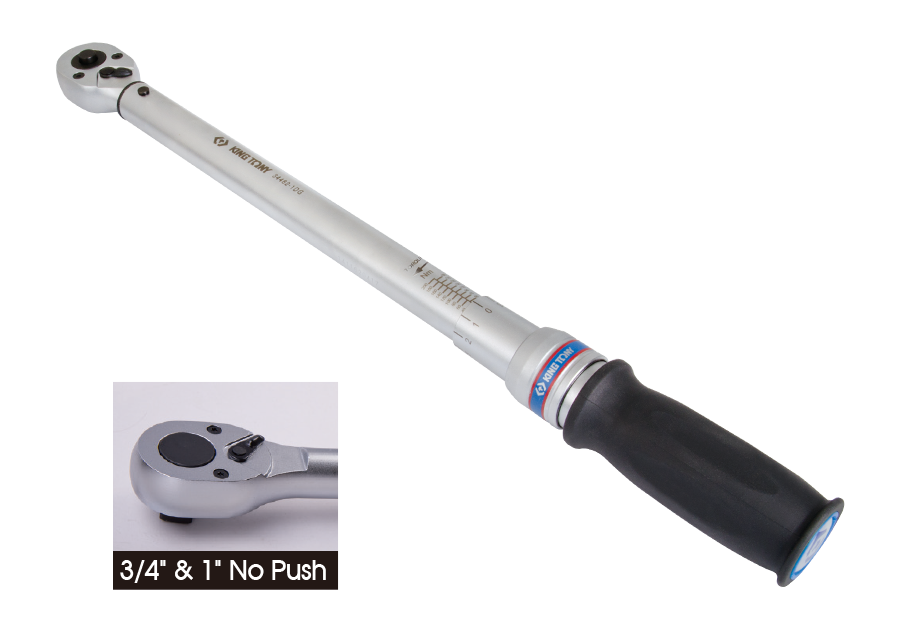
Heavy Duty Adjustable Torque Wrench (Newton Meter & English)
34462-FGking tony Torque multipliers are quality . But less in variation . under 4500 N.m<br />any way I recommend King Tony Torque multipliers
- masoud
- RE:Tony
- 2022-11-07 08:44:55